Inciting the Global Imagination in Oxford & Lisbon

Screen shot 2014-06-02 at 9.32.28 PM

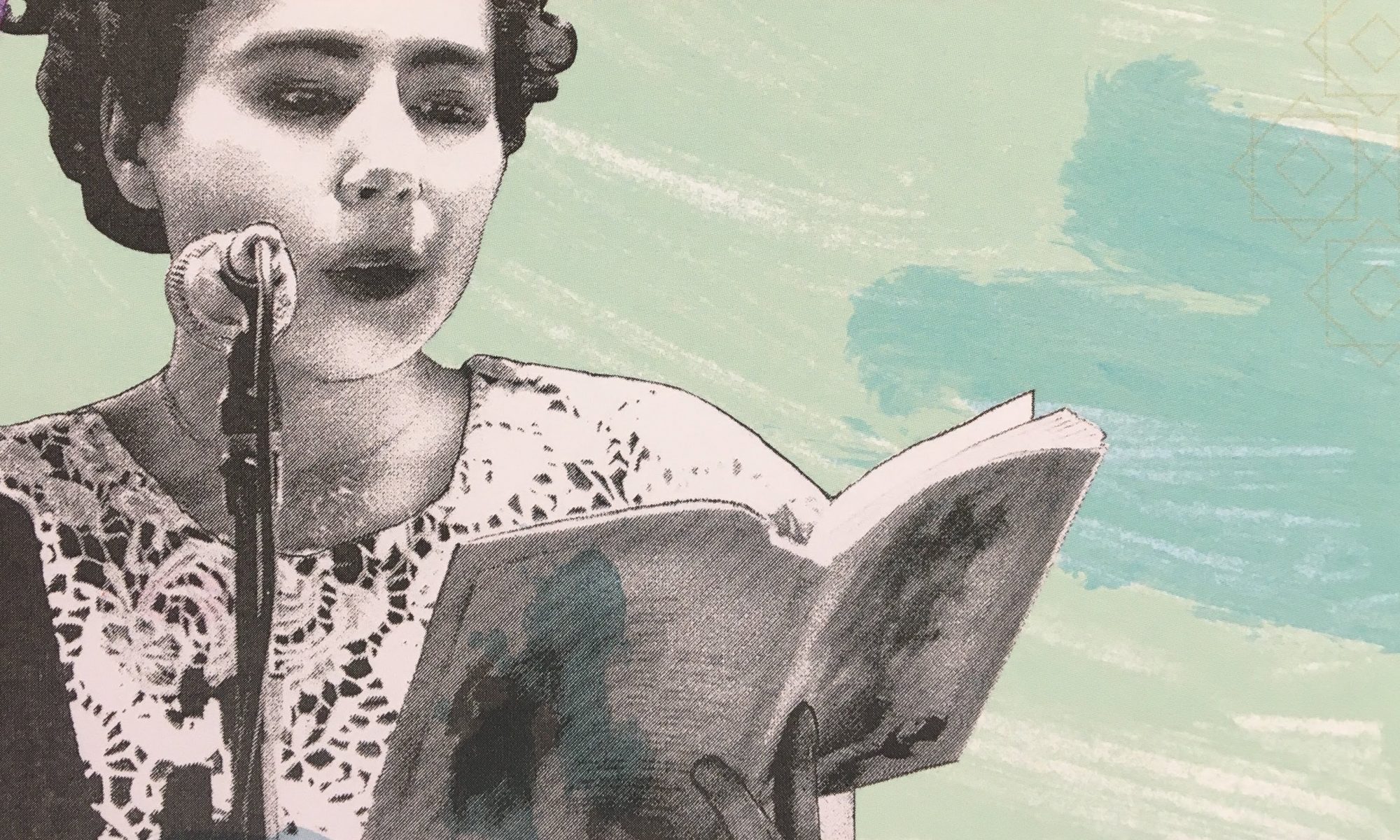
Yours truly had the honor of presenting at two academic conferences this summer, 7th Global Conference Diasporas: Exploring Critical Issues, organized by Interdisciplinary.net and held at Mansfield College, Oxford, UK, 5-7 July 2014 and The International Conference Youth in/and Literature, organized by the Faculty of Social Sciences and Humanities at the Universidad NOVA de Lisboa in Lisbon, Portugal taking place 9-11 July 2014.

The Diasporas Conference ran con-currently with Interdisciplinary.net’s other conference “The Apocalypse”, and it was great fun asking those presenters how the apocalypse was going during mealtime. I also got a much appreciated dress rehearsal from the apocalyptic attendees who asked about my research and then surprised me with a host of questions, which even more surprisingly I found myself not only able to answer but enjoyed mulling over and discussing.

So what was presented in Oxford? Along with fantastic papers such as fellow Saint Mary’s College Professor Dana R. Herrera’s “#OFW: Social Media and the Public Discourse Regarding Overseas Filipino Workers” provocative topics included:

  • What Difference a Century Makes: Caribbeans in the Amazon in the Turn of the 20th and the 21st Centuries, Maria da Graça Martins
  • Locating the Self in a Disaporic Space: A Study of Imtiaz Dharker’s Poetry, Rimika Singhvi
  • The Stories We Tell: Drifting and Linking in Dionne Brand’s Prose, Eshe Mercer-JamesEconomics and Diaspora, Ram Vemuri

Each of the presenters on my panel complemented each other’s work, as we all spoke on ambivalence and pluralism to deepen the discussion of diasporas from multiple perspectives. See for yourself:

Session 8: Border-crossing Narratives
Chair: Richard Merritt

  • Then the World Widened: Daring Creative Writing Students to be Cartographers of the Global Imagination, Rashaan Alexis Meneses
  • John MacKenzie’s Letters I Didn’t Write: Home is Where You Are, Kristen Smith
  • Collaborations in Diaspora: Canadian Experiments in Cross-Diasporic Multi-Authored Poetry, Heather Smyth

And what exactly did I present?

The abstract:

Then the World Widened: Daring Creative Writing Students to be Cartographers of the Global Imagination

Pankaj Mishra called for a “bolder cartography of the imagination” in his essay “Beyond the Global Novel” (Financial Times 2013), and a chorus of critics echoed his sentiments posing that the “global novel” or “world literature” sacrifices the specificity of real political traumas for the sake of deadened, feel-good multiculturalism. Though no matter how publishers and academics categorize, plenty of creative writers in our proliferating MFA and PhD creative writing programs aim to tackle transnational narratives. Likely to fictionalize aspects of their own transnational experience or origins, a novelist-in-training will set the world as her stage and her characters as polyglots. How will she avoid the relativistic dead-zone of multicultural platitudes while interrogating notions of politics and identity? How does she begin to depict what Mishra demanded as a “challenging cultural otherness”?

The global or transnational storyteller will likely implement such techniques as the multi-stranded narrative. She will have to demonstrate multilingual sensitivity, and her fiction will undoubtedly straddle simultaneous senses of space and time. This paper examines ways for creative writing students to practice these specific techniques by exploring the works of Kiran Desai’s The Inheritance of Loss and Chris Abani’s Virgin of Flames both of which demonstrate linguistic virtuosity and polyphonic narratives with the intent to grasp what Bertolt Brecht named the “estrangement effect.” Taken from a craft rather than theoretical approach, this paper will illustrate ways to shape a de-centered, global narrative. For a cartographer at this scale must pursue intersections of truth and art, which requires from the writer and the reader a mutual construction of story and meaning. The writer, in this sense, relies on ambiguity and ambivalence to create a purposeful vertigo that is both world-making and world-breaking.

An excerpt:

In crafting the polyphonic narrative, the writer will want to assume that all perspectives, no matter the social or economic standing, have something to lose. From the wealthiest and most comfortable to those who are beyond the margins, every voice has to count. So how to justly cover the stakes? How to viscerally capture the urgency of what’s at stake for each character? The writer must ask herself:

  • How does each character represent a microcosm and how do these individual microcosms make a multiverse?

  • How does each perspective contradict, complement, mirror, and refract one another?

  • How best to splinter the self of each character, knowing that heart, body, and mind are in opposition with one another for each character?

  • How do these oppositional forces within each character map time and space both for the characters and for the reader?

The takeaway from this conference in this particular network  is that passion is key. Interdisciplinary.net goes to great lengths not to emphasize titles or rest on stature but to focus on shared interests and dialogue. Each of the presenters were deeply invested in their topics, which was most engaging and inspiring.

As for what happened in Lisbon, the two conferences couldn’t have been more different. The first one was small and intimate. Forty attendees maximum aside from the two organizers, everyone present sat on a panel, so attendance was expected through the duration of the conference. Conversely, at the New University of Lisbon, I never got a hold of how many attendees were present because people were always coming and going. Half of the presentations were in Portuguese, so panel attendance was uneven depending on which language was spoken. Despite the variation, the opening keynote speaker, Shane Blackman, Professor of Cultural Studies, Canterbury Christ Church University, Kent, United Kingdom, proved most informative and timely, speaking on ethnography, which yours truly will be experimenting with come fall semester.

My panel included:

1) Bulgaria and Spain, Petya Yankova and Lida Aslanidou (University of York & City University London, UK)

2) “Then the World Widened: Daring Creative Writing Students to be Cartographers of the Global Imagination”, Rashaan A. Meneses (Saint Mary’s College of California, USA)

3) The Biggest Loser: Mercer Mayer’s Little Critter Series, the Queer Art of Failure, and the American Obsession with Youth Achievement, Michelle Ann Abate (Ohio State University, USA)

Of course, with the good counsel of a wise colleague I didn’t present the same paper from Oxford, but riffed off the original and found myself deeply interested in exploring how the bildungsroman of the 19th century reflects the building of a nation that mirrors the building of an individual through socialisation. Pushing the idea into a contemporary context, I’m curious to see how the bildungsroman, especially concerning the global novel, examines how individuals gain agency in parallel to how ethnic minorities might pursue sovereignty in the face of national hegemony. Yes, a mouthful, but this is the stuff that revs my engine. With that said, here’s an excerpt:

3. Performing Identity
Our identities demonstrate our allegiance to certain traditions and our rejection of other traditions. We essentially perform our allegiances or denial through identity. How we act and who we act with is our show of moral, personal, spiritual and physical integration into specific communities and even our integration into our larger global society. Jopi Nyman speaks to this in “Performing Englishness”: “By rewriting the generic repertoire of the Bildungsroman, the novel does more than represent a post-colonial critique of a Western genre. Rather, by redefining the process of learning in the context of the nation as a way of learning how to be English, the novel addresses questions of (national) identity and stresses its performative character.”[1] Identity is performative demonstrating our membership or rejection of values and traditions, and we might see the parallels between how the shaping of an individual identity reflects the shaping of a community or even a nation as Benedict Anderson speaks to in his Imagined Community.


[1] Nyman, p 97.

And now what?

I’m eager to continue exploring how global writers explore issues of identity, transnationalism and politics through craft techniques. I’m also hoping to scheme up a panel+workshop with fellow literary artists to explore the following themes:
1. How does your literary work serve or shape your social action or your commitment to social justice?
2. How do we read AND write for craft versus culture (in terms of being a person of color writer)?
3. How can writing & reading chart a “living” map of culture, identity, self, and community?

Stay tuned to see what happens next…

Post MFA: Covering Residencies on November 20, 2:35-3:35 at Saint Mary’s College of CA

On Wednesday, November 20, 2:35-3:35 at Hagerty Lounge, Saint Mary’s College of California, yours truly will be part of an afternoon panel discussion on life after the MFA. Tapped to speak on residencies and colonies for 7-8 minutes, here’s some musings on what might be covered that afternoon, which we hope you can join.

Applying to Residencies

Why residencies? How does it sound to live, work, dine, and stroll with writers, artists, composers, dancers, choreographers for weeks or months? How about having food delivered to your door. Meeting for supper and a cocktail or two to talk shop about books, paintings, photography, and film? What of days and hours devoted solely to reading and reflecting on your work? Residencies in essence are a chance to hole away in some remote and often rural setting and remember what it means to read and create for the sake of reading and creating.

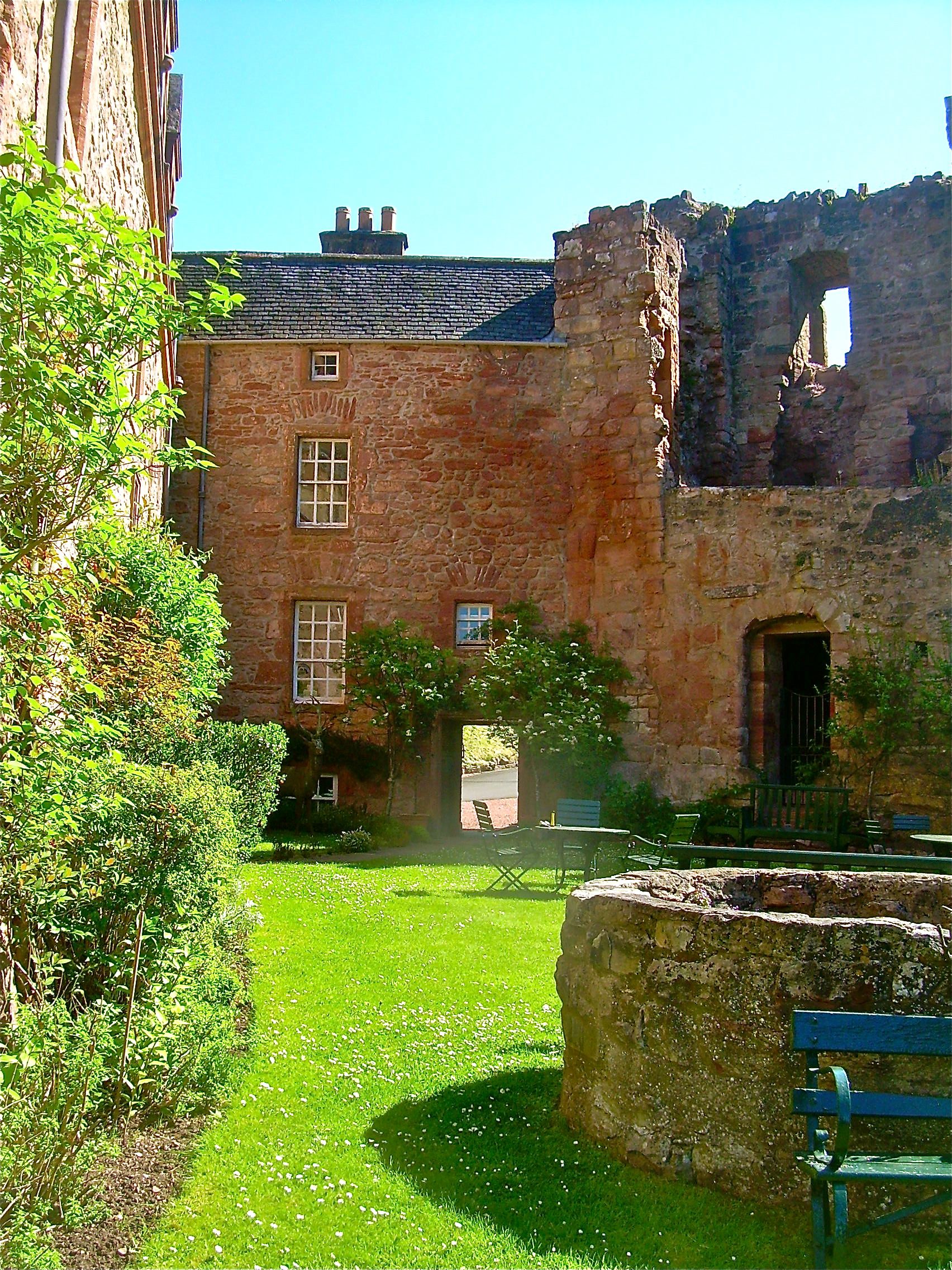
Hawthornden from the Lady Walk
Retreat for Writers, Hawthornden Castle, Scotland, UK.

There’s no magic formula I know of but years of practice, revision, and navigating rejection. I’ve been applying to residencies and colonies since grad school, so I’ve had almost seven years honing my artistic statement and project description(s), which have seen many incarnations. I’ve been through countless drafts and am constantly revising every artifact I send out to apply.

Maintain contact with professors from graduate school since they are the community who will support you through this creative journey, and be sure to make the recommendation letter process as easy as possible by giving at least two months advance notice with all the supplies already stamped and addressed, ready to post. Keep a short sample, CV, and statement handy if they request it to refresh their memory about you and your work.

344 Questions: The Creative Person's Do-It-Yourself Guide to Insight, Survival, and Artistic FulfillmentKeep refining both your artist statement/letter of intent and the writing sample. These are the two legs you’ll stand on when you face the faceless committee. Keep a list of questions and journal freewrites in response to keep the artist statement/letter of intent urgent and relevant. It should change as you evolve as a writer. I love this little gem of a book 344 Questions?: The Creative Person’s Do-It Yourself Guide to Insight, Survival, and Finding Artistic Fulfillment which I crack open every now and again just to exercise and play with portrayals of self. These musings come handy when piecing together and updating the artist statement.
  • Literature Summary Description (MacDowell Colony)

In two to five words, please describe the work you are proposing to do at the Colony. You will have an opportunity to describe the project in greater detail in the next step of the application. Examples: memoir, historical novel, short fiction, prose poetry.

In the space below, please provide a detailed description of the project you intend to work on at the Colony. If you have already begun the project, tell us where you are in the work process and what you hope to accomplish with your residency. The text field is limited to 2,500 characters including spaces.

  • Intended Project (MacDowell Colony)

Please provide a brief synopsis of the creative work you propose to write if offered a Residential Fellowship at Hawthornden. This may be work already in progress or work still in its infancy. You should be sure to mention any necessary research that you may need to undertake while in residence. Please limit your description to this sheet only.

While in Residence

Before I left for MacDowell, I got the best piece of advice from novelist and dear friend Mary Volmer who warned me not to place too much expectation or pressure on myself. “You’re not going to get everything you want done, but you will get what you need,” she urged, and she was right.

An hour feels like three in our studios. It’s amazing how much work you get done when you sit down to it, and let your mind settle with the tasks in front of you.

Some of the highlights are not just spending evenings talking with fellow artists but having a real

Mansfield Studio at MacDowell Colony in New Hampshire.

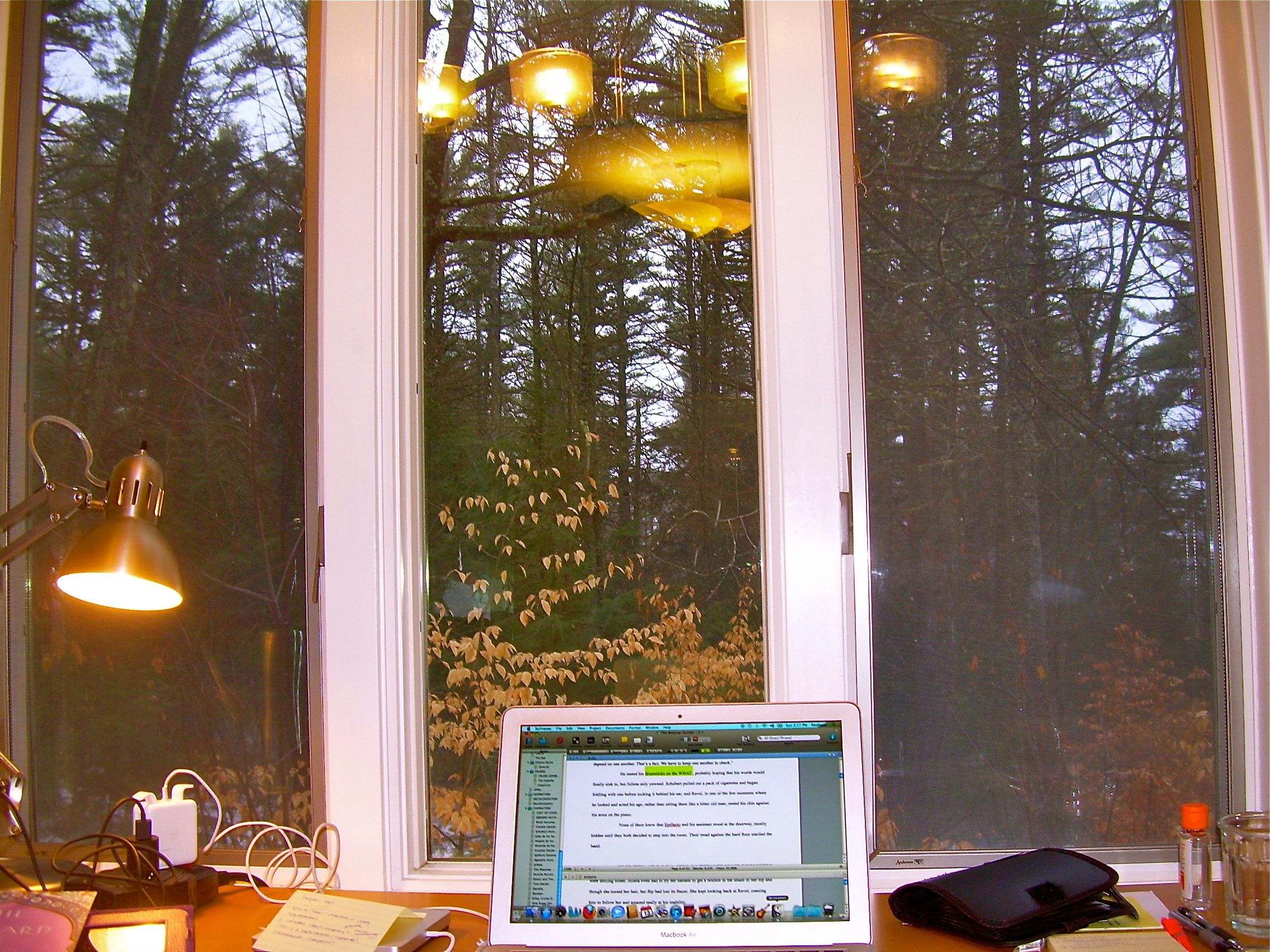
dialogue with your project. I found that once I was tucked into my cabin and allowed myself to reacquaint and essentially renew my vows to the craft and to the piece I’ve dedicated years of my life to, the project started speaking to me and telling me what needed to happen to it. I learned how to read and write all over again.

One of the many traditions practiced at the Colony is for fellows to give presentations of their work, whether it be a reading or an open studio, you’re encouraged to share your artistic endeavors. The idea wasn’t that appealing, really, until a fellow explained that its best to present earlier rather than later during residency so that other fellows will have much needed context in terms of why you’re here and what you’re doing. This context cements a substantive foundation to conversations at dinner, breakfast, random encounters on the hallway or on the way to the studio. The whole purpose of the colony is not just for individual, solitary work but to be a part of the community, and being a part of a community means sharing.

Mansfield Studio in the mist at MacDowell Colony

What to Bring

All your favorite creature comforts: chai tea, scented candles, warm socks, an eye mask, if you have trouble sleeping in strange places, blank pads of paper and post-its, permanent markers, push pins, chocolate, nice stationary and stamps to write to loved ones, a wall calendar to keep on task, a hard drive to back up regularly, a pocketknife, and gin, lots of gin or your personal choice of poison because you deserve it after a long day’s worth of reading and writing.

These websites are chock-a-block with listings of residencies and colonies:

http://www.artistcommunities.org/residencies

http://www.resartis.org/en/

For more insight on MacDowell click here, here and here and for Hawthorden click here.

Where I learned of the badgering hour: June 2013 at Hawthornden Castle, Part I

Hawthornden from the Lady Walk
Hawthornden Castle from the Lady Walk

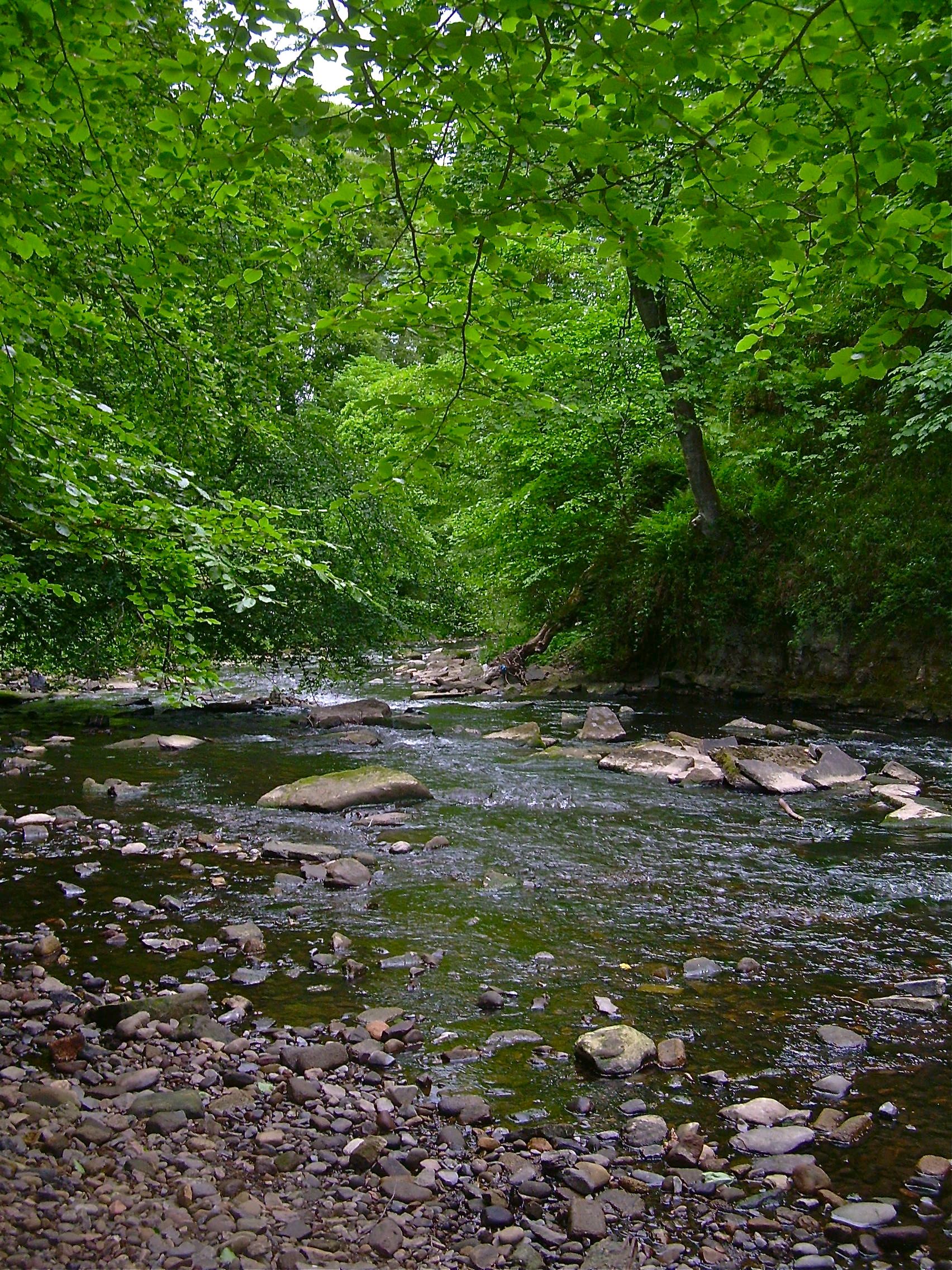
Forty five minutes outside of Edinburgh, tucked in a hidden pocket of Midlothian, sits a 15th century castle where I spent my June at the Hawthornden International Retreat for Writers. Not even the bus drivers knew of the castle. Kept a secret, deep in a Scottish glen, the ruins, renovated in Victorian-era, were tipped on a crag overlooking the River Esk, and here I continued my ongoing education of reading and writing for a summer month.

But the story doesn’t start here.

If we were to go all the way back, it would have opened two years ago when at a faculty gathering poet and friend Raina León prodded me to apply. Get thee to a writing residency was her imperative, and she clued me in on this gem of a fellowship with a low profile at Hawthornden Castle. Thank you, Raina.

This fellowship is sponsored and run by the great patronage of Drue Heinz of the Heinz company. Publisher of The Paris Review, she established the Drue Heinz Literature Prize and the Drue Heinz Lectures in Pennsylvania. Deepest gratitude goes to Ms. Heinz and her staff.

There is no magic I know of that got me to Scotland for a month of committed writing. Persistence and focus is what I brought to the table. Applications to these residencies are something like gearing up for grad school. Long and involved forms that demand you know who you are, letters of recc to prove you are who you say you are, and a writing sample that speaks to enough people on the committees that matter. I’ve been applying to residencies off and on since grad school, which means I’ve lived in hope for over six years. Let me say again, persistence and focus.

The Pentland Hills and sun
The Pentland Hills in the distance

The plane trip from San Francisco to Edinburgh was another test of patience: ten hours trying to sleep upright, a three hour layover in Charles de Gaulle, where splurging on Lauderée French macaroons was worth every euro, and a final two hours that seemed like forever before touching down in Scotland.

The sun still had a good hour to set when I finally arrived around 10pm, which I would later learn was the badgering hour. Jet-lagged and frazzled, I met two of the writers who I would live with for the next four weeks, one of whom was an East Coaster turned Bay Area based. She happened to know many of my colleagues and writer friends back in California and thankfully made me feel that much closer to home despite being a continent and ocean away.

***

property of the Abernethy family from the 13th century
The castle garden

Born to John Drummond, the first laird at Hawthornden Castle, William Drummond (1585-1649) turned laird of the castle himself at 24 when his father died. A poet and historian, William Drummond read well and widely, tackling the History of Scotland during the Reigns of the Five Jameses as one of his many literary works. Over 400 years later, in his study, a room where he was known to pace between tackling quill to paper, I stared out the window that overlooked the gravel driveway, pulled my hair out rearranging scenes and crossing out swathes of paragraphs, and dragged myself to bed, willing myself to sleep at midnight even as the last sun rays still poked their way through the west-facing window.

Flowers in the sun
On the walk to the bus stop

On the first full day since my arrival, still adjusting to UK time, I woke at 5:30am to metallic squabbling and screeching of what I thought to be baby dinosaurs nesting right outside my western window. One bird would start up and then her siblings, would follow in discordant chorus. Almost every morning, afternoon, and early evening was graced with their shrill choir, and not only did I viscerally experience the scientific fact of how birds are cousin to pterodactyls and triceratops, but I understood how quickly and deeply I’d been thrust into nature. The castle was immersed in all things wondrous.

Evenings made the badgering hour when the lawn in front of the castle became a buffet table for a family of five hungry badgers. Stags, doe, and their fawns were frequently spotted on the road that led to the castle. Peregrines learned to fly just across the river, and we watched them from the castle garden at lunch time as they tested their wings. Spiders insisted rather persistently to claim the sinks and bathtubs as their resting spots. They were known to creep up cozy into our beds on more than one occasion.

***

I never knew I could be so jealous of poets.

The town of Roslin
The town of Roslin

These daily and nightly encounters with all things feathered, eight-legged, doe-eyed, antlered, and winged charged the poets, and they wrote with a sense of immediacy that doesn’t really jibe with long form fiction. One evening, a bat flew into the drawing room, circling over our heads for a good seven minutes. We tried to guide it out the window, but s/he seemed to enjoy our company more. Eventually, tiring of us, s/he took to an open casement and was gone. The next day, all three poets reported writing poems of our vespertine encounter. I hadn’t ever felt so keenly envious of poesie writers up until then. What I would have given to slip out of time for a day or two, to step away from my projekt and write in attendance to the here and now with such urgency? Fictions writers, particularly those noveling are stuck in another time zone and geography that rarely meshes with the present moment. We are caught in a loop of our own making.

***

We were there to write.

And we did. Everyday,  at least six days a week, from eight in the morning to at least five in the evening. Oh, there were mid-day strolls along the castle grounds listening to the songbird soundtrack that ran from sun up to sun down, late afternoon jogs on the Old Railway to Dalkeith, and jaunts to Lasswade’s The Laird & Dog pub, which was the closest and easiest access to Wi-Fi. All sworn to an informal oath of silence while in the castle, Hawthornden’s motto was “Requiescat in Pace,” and from nine in the morning to six in the evening, we maintained relative quiet, so all writers could work in peace and decent ease.

River Esk
The River Esk

With no internet access, limited mobile service, and a vow to abstain from talking, the task of writing wasn’t necessarily easier but the setting secured focus and commitment to both the projekt at hand and the vital art in which all writing thrives, the act of reading. In a recent Guardian article “publicising a novel – the problems,” (Thursday 25 July 2013) Anakana Scholfield speaks to an issue close to this heart:

…why is there so much fuss in the media about how to write a novel – “everyone can become an author” – when the more important thing is how to read one?

There seems to have been a shift from a reading culture to a writing culture, a diminishment of critical space for the contemplation of literature. Writing needs to be discussed and interrogated through reading. If you wish to write well, you need to read well, or at least widely. You certainly need to contemplate reading a book in translation, unlikely to be widely reviewed in newspapers, many of which are too busy wasting space on “how to write” tips and asking about an author’s personal fripperies. It’s a great deal more fulfilling to read and think about a fine book than to attempt to write one.

Six years into the projekt, reading is the through line that keeps this writer grounded as the shape and meaning of the story collapses, condenses, and often over complicates itself, constantly morphing like land shifting under volatile forces. To write is to read. There’s no way around it. But how to keep up the art? How to maintain the necessary strength and focus for such a vital skill? You’d think that as one grows older, reading would become easier, but it doesn’t. Its just as much of a challenge as it ever was. Technology and the ten million distractions aren’t just to blame. The old adage the more I learn, the less I know seems to confound the reading eye. The mind skitters, won’t settle but jumps with expectations, preconceived notions, rather than sitting with words, images, sentences. Slowing down to savor syllables seems a fleeting wish. The reading mind must be taught and re-taught, and taught again. Its a muscle that can easily atrophy.

Reading at Hawthornden was s-l-o-w. As it should be.

Decades into becoming a “professional” reader, its hard to come to literature with an open mind. The more one reads, the more layered the lenses the reading eye gains and cannot shake away. So we must learn to read through prisms, knowing these prisms can be switched, combined, simplified, or complicated.

Prismatic. Requiring constant practice. The conjoined arts of reading and writing remained the main focus, but not the only activities at Hawthornden. There were encounters with Crusties, treks to the Pentland Peaks, and day trips to Edinburgh. But that’s all to come next…

For another a peek at the Hawthornden experience, check out poet and professor Gregory Leadbetter’s post “After Hawthornden” on his site.

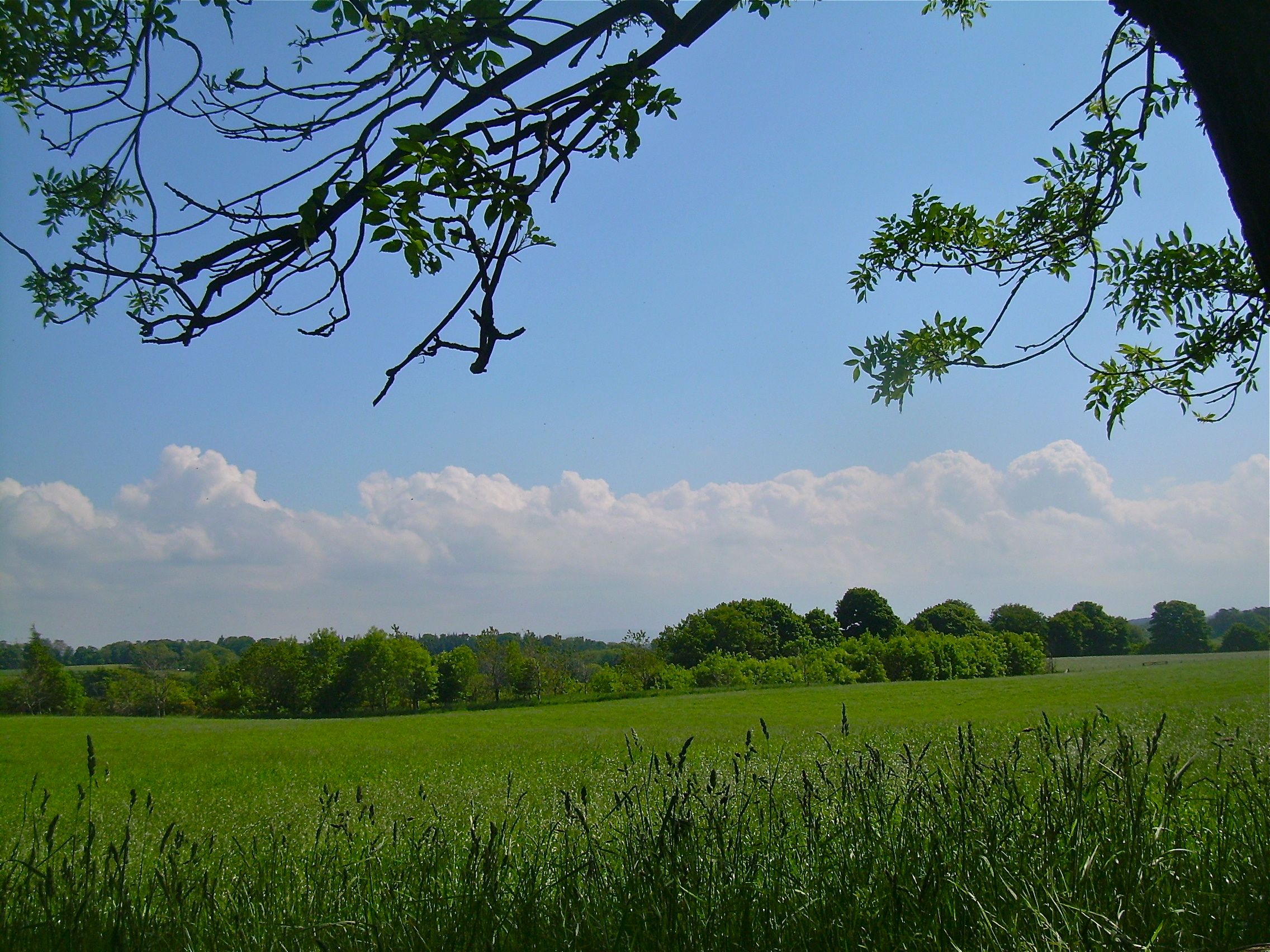
Midlothian wheat
Roslin Glen Park in the distance

Post-Residency: Was It All A Dream?

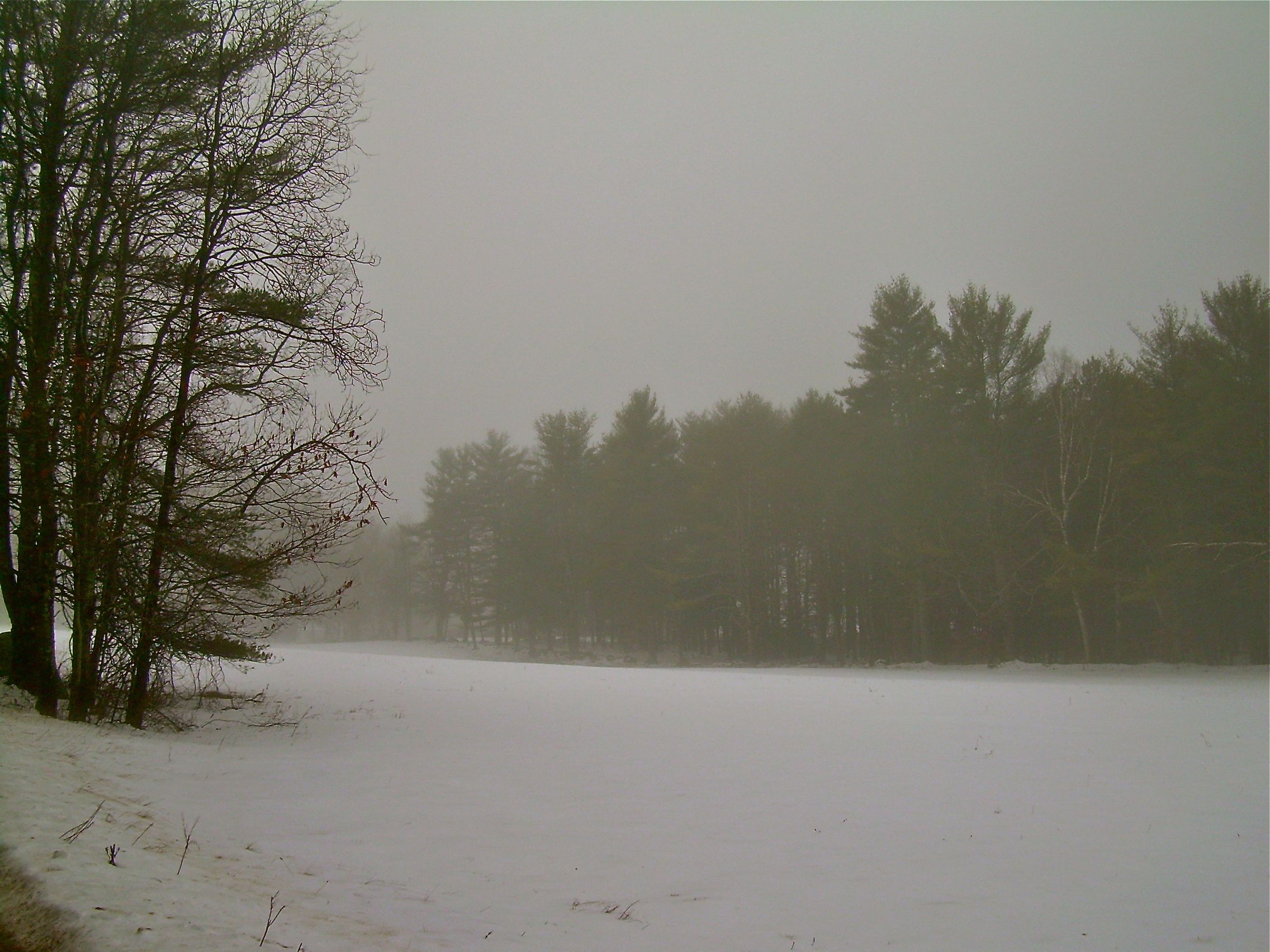
A GravestoneIf New Hamspshire were a lover, she would be bitter at times and take to teasing her admirers. One day, her sky is scintillating, crystal clear, the air crisp as an autumn leaf, but she will turn on you the following afternoon. Storm clouds troop across what used to be a dome of limitless color, and the woods that shivered bright in all shades of brown and black turn somber in a heavy veil of mist. The contrast chills the senses. Sheer blinding light reflected from the snowfall seems as if it could stretch for infinite infinities is cut short by startling stone grays and blues from rocks defying the snow, and the endless trees that turn darker the whiter the landscape gets. The white tries to blanket every surface, and there is no escaping it except to take cover indoors then, before anyone knows it, the ice melts, the sound of rushing water surrounds, you, as if the whole world will slip into a steady stream.

In this setting, I renewed my commitment to writing, vows sanctified by fellow colonists, board members, and the gentle and caring staff of MacDowell. Being at the colony is a recognition of faithful commitment, acknowledged by a historic institution, sanctioned by a tradition, a national and international culture that carries the  legacy of what art is, what it could be, and what it has meant since 1907.

This place serves something like a training camp for creative types turned athletes. Here we learn the loneliness of longPeterborough Town Library distance running or how to build stamina for short fevered bursts of process and creative output. In the utter silence of our studio, we test the elasticity of our strengths, learn our weaknesses, and strategize how to tone our creative muscles, so we can re-enter the other world, the world of earning paychecks and paying rent or mortgages, which is someone else’s fantasy we’re obliged to participate in from time to time, but not while at MacDowell.

An hour feels like three in our studios. It’s amazing how much work you get done when you sit down to it, and let your mind settle with the tasks in front of you. There is this idea of being social and creative, and the two are sometimes mutually exclusive, and sometimes they go hand in hand. You learn the dance of both at MacDowell.

in case of emergency break iceAside from missing my MacDowell family, comprised of composers, architects, a martini-making photographer, a dancing upholsterer, ping-pong playing poets, novelists, playwrights, filmmakers, and interdisciplinary practitioners, if there is anything I could wish for is a residency solely for reading. To sit with a book and immerse in words is also an art, which takes discipline and practice. Of course, a residency dedicated solely to reading may be asking for too much, as if MacDowell doesn’t spoil one enough.

What I’ve learned & accomplished @ MacDowell include some of the following though it will take a while to fully digest the experience:

  • Revised 250 pages of the novel.
  • In revision, imagine each word costs $5. Figure out how much you can take away from and still have the essence of the story intact. Think Minimalism.
  • Do not dance with long johns on.
  • You will over-eat.
  • Life is not about looking for answers, but seeking big and meaningful questions for the chase of a lifetime.
  • Spotted, deer, one bushy white-stomached squirrel, two crows, flocks of turkey, which are bigger and blacker than the California ones.
  • Met my family from Maine and am amazed and inspired by their love.
  • Survived 7° weather + snow + 50mph wind.
  • Snow plows make me think of Москва.
  • There are no Targets in the UK.
  • A folly is a nineteenth century typology for landscape with no functional purpose.
  • Never fly United. Never.
  • I miss my MacDowell family and dearly hope to reconnect in person soon.
  • Thank god for Facebook, really!
  • If you’re deep and close enough to the projekt, it will tell you what needs to be done and instruct you how to proceed.

For safe-keeping in planning the next residency, which is just around the corner, here’s a list of what to bring for next time:

  1. blank pads of paper and post-its
  2. permanent markers
  3. push pins
  4. chocolate
  5. chai tea
  6. nice stationary
  7. wall calendar
  8. scissors, tape, and other small travel office supplies (check out Muji)
  9. scented candles
  10. gin
  11. beer
  12. extra batteries
  13. extra plug for mobile phone and Kindle
  14. lighter and/or matches
  15. hard disk
  16. good hand lotion
  17. pocketknife

Thank you MacDowell for a dream come true! Here’s hoping for a return visit soon.

On To MacDowell

Out of my wildest dreams, 2013 starts off with a three-week fellowship at the nation’s oldest arts colony, MacDowell founded in 1907 in Peterborough, New Hampshire. If yours truly wasn’t also accepted to The Retreat for Writers at Hawthornden Castle in Scotland for June this year as well, I’d be suffering from a serious case of imposter syndrome. And below is why. A shortened list of some of MacDowell’s past fellows and the projects they worked on during their stay should give plenty of reasons for doubt and legitimacy. Sally Field, I feel you.

Marian MacDowell in front of Edward's log cabin, the Colony's prototype studio. Archival image.

Aaron Copland
Meredith Monk
Duncan Sheik
Nick Carbo
Amy Bloom
Lan Samantha Chang

Louise Erdrich (known to have worked on one of my all time favorite novels, Love Medicine)

James Baldwin (Giovanni’s Room)
Eric Gamalinda
Jessica Hagedorn
Garrett Hongo
Allison Landa
Rick Moody
ZZ Packer
Nzotke Shange
Lysley Tenorio

From their website:

The mission of The MacDowell Colony is to nurture the arts by offering creative individuals of the highest talent an inspiring environment in which they can produce enduring works of the imagination.

The sole criterion for acceptance to The MacDowell Colony is artistic excellence. MacDowell defines excellence in a pluralistic and inclusive way, encouraging applications from artists representing the widest possible range of perspectives and demographics.

So, what will this soon-to-be-fellow do at MacDowell? A game plan would be nice though a very near and dear writer friend called just days before departure with her advice since she’s been to Hedgebrook, Vermont Studio Center, and East Anglia. She was adamant about not expecting too much: “You’re not going to get everything you want done, but you will get what you need.” Echoing the wise words of Mick Jagger, she confessed wishing someone had told her that during her residencies.

The expectations thus far have waned and waxed with anticipation, and we’ll see which if any come true, knowing that as my partner’s ukelele instructor once warned during a music lesson, a creative person is never satisfied by their creation, prepare to be perpetually dissatisfied and to feed off your dissatisfaction.

With that in mind these goals may sound abstract but here they are: to tighten voice & style or at least have a stronger sense of each. Not that the entire projekt will be tightened but a firmer grasp on voice & style, and how it changes from character to character, from start to finish, just a keener sense on what each of them are and their evolution would be wonderful. Which leads to the question about structure. Does voice and style dictate structure? Is it vice versa or do the two really have nothing to do with the other? Perhaps that question will be answered on the Eastern seaboard.

More than anything a mental map of where this projekt needs to go is the ultimate aim, and that map needs explicit directives on voice, style, structure, and tone, knowing that all of this should evolve from one chapter to the next depending on character and progression of plot.

This residency is not only a good chance for the physical, mental, and spiritual kick in the arse as all good travel is since I’ll be clear across the country in a completely new and snowy environment. There’s also the mingling with other writers, painters, musicians, architects, sculptors, and who knows what these encounters may bring, but the relationship that is utmost in mind is the intent to gain a newer, closer, almost incestuous, yes, I said it, intimacy with the projekt. Even after five years, it still feels so much of a foreign beast. Is there anyway that the projekt might feel like a part of me, an extension of self? And in getting to know this piece better, getting skin close to it, is there a possibility of taking Writing to a different level? To not just make this art a second nature but first? That may be asking too much.

Satisfaction with dissatisfaction. If that’s one guarantee, I may just be ready.

If you have advice about New Hampshire, Boston, cold weather fun, what do and what not to do at residencies, and or creative-making, I’m all ears. Happy 2013. May yours be a healthy and bright new adventure!

@ Mansfield Studio

and my studio Mansfield in the mist

What is the latest at Mansfield Studio at The MacDowell Colony in New Hampshire? And who has been the greatest at Mansfield Studio? Mansfield Studio is a spacious hideaway just a seven minute walk from Colony Hall and Eaves dormitory, which is where yours truly finds herself hard at work for the next three weeks. Equipped with its own fire place and bathroom sans shower, an enclosed but chilly porch for sipping hot cocoa, and two desk spaces with enough room to dance the shivers away. Mansfield might be the space where I redefine my role as a writer and where I am renewing my vows to the act and art of writing.

Who has been the greatest at MacDowell? Each room has a set of boards, called headstones, where past fellows inscribe their name and the date of their stay, some of the greatest, though by no means not all include: ZZ Packer, Michael Chabon, Tillie Olsen, Richard Yates, R. Zamora Linmark (two fellowships at Mansfield!) Jean Valentine, Tayari Jones, Mary Jo Salter, Susan Steinberg, Julie Orringer (who I worked with in grad school, thank you Julie, your wise words stay with me even today). Rosellen Brown, and Rick Moody. So in the short time that I’ve been here, I’ve tried to channel the best of these great writers, who have paced the floor where I now pace, stared out the window, possibly pulling their hair as I do now, and rested on the bed staring at the ceiling. These are the artists and writers I know in my limited experience though the headstones span all the way back to the turn of the century.

Check out R Zamora Linmark

Since arrival, the first thing one may notice is how astoundingly loud a single, individual mind can be. The silence is deafening meanwhile my brain has been screaming to make up for the void of sound. In the dormitory, the most noise you’ll hear is the clank of the furnace when it switches on, which can seem thunderous compared to the moments before and the moments that follow. The studio is twenty time as quiet, and my brain feels like an airport. I can’t seem to shut off the flow of thoughts, words, song snippets, and random dialogue with myself that manifests in instinctual reaction to the utter noiselessness. Obviously some meditation is in order here.

a misty afternoon

What happens at MacDowell stays at MacDowell, particularly the meals, which are outrageously decadent. Soon as I arrived my first dinner was a hearty serving of ginormous pork chops with a cherry and red wine reduction, and someone offered me a gin martini. That’s right, gin, not vodka. Blessed be. The next night, lamb as the main course and cream puffs for dessert. We enjoy baskets of lunch delivered to our doorstep, and I’m trying my best to keep working past noon, so I don’t stand at the door like a panting dog, Pavlovian conditioned.

the daily basket of lunch


Aside from stuffing ourselves silly and hanging out like college kids again in Bond Hall, we are here to work, and there is plenty of work happening. Its twenty-four, seven. Someone is always away @ their studio, no matter the hour or deep into research in the one building that has internet connection. The underlying idea here is that each fellow forges a new, more committed relationship with their craft. I really feel like I’m renewing my vows and wonder how my role as a writer, my relationship with writing may gain a different and/or deeper meaning in this completely new and wholly dedicated context. Its exciting, the evolution.

There are readings almost every other night and open studios for artists who want to show their work. I’ve met architects, composers, photographers, poets, writers, ceramacists, and painters. What is easy to take for granted but is most sacred and special about this fellowship is that the process is prized above all. It doesn’t matter what you end up creating. Its not really about creation or a finished product, at all, but about creating and even thinking about creating. One doesn’t have to necessarily create. I consider a stay here the equivalent of those long peripatetic walks that the Romantics took. As much as it is about the act and art of creating, what this time and space encourages is the meta, being conscious about the form and matter of the act of art-making.

work in progressIf not in the morning then in the evening someone is bound to ask how the day went, and that question has an entirely different meaning here than in any other context. There’s an unspoken understanding if the day went well or was steeped in hair-tugging frustration. Asked the same inquiry a couple of days ago, I could only respond that I felt like I was in the boxing ring, going to toe-to-toe with a beast of manuscript I had sworn to tame. Now I’m feeling that the projekt is more like a cousin who I’ve only seen on holidays but am now enjoying a long season with and starting to find some rhyme and reason to this cousin’s idiosyncracies. Though I’m fully aware that this relationship can turn on me much like the weather. One day its 53 degrees and warmer than the Bay Area, which I’m missing like crazy, and tonight we’re expecting snow showers.

I’ve been reading Elif Shafak’s The Bastard of Istanbul, and she quotes a Turkish saying: “The soul needs to shiver to wake.” We shall see if my soul shall waken with the cold to come.

the road to my studio


Big Island Love 2012, Part II

Mamaloa Highway heading to Hilo

To read earlier parts of this adventure check out the posts: “Can I Wade in Your Waters, Kaua’i” and “Big Island Love 2012, Part I.”

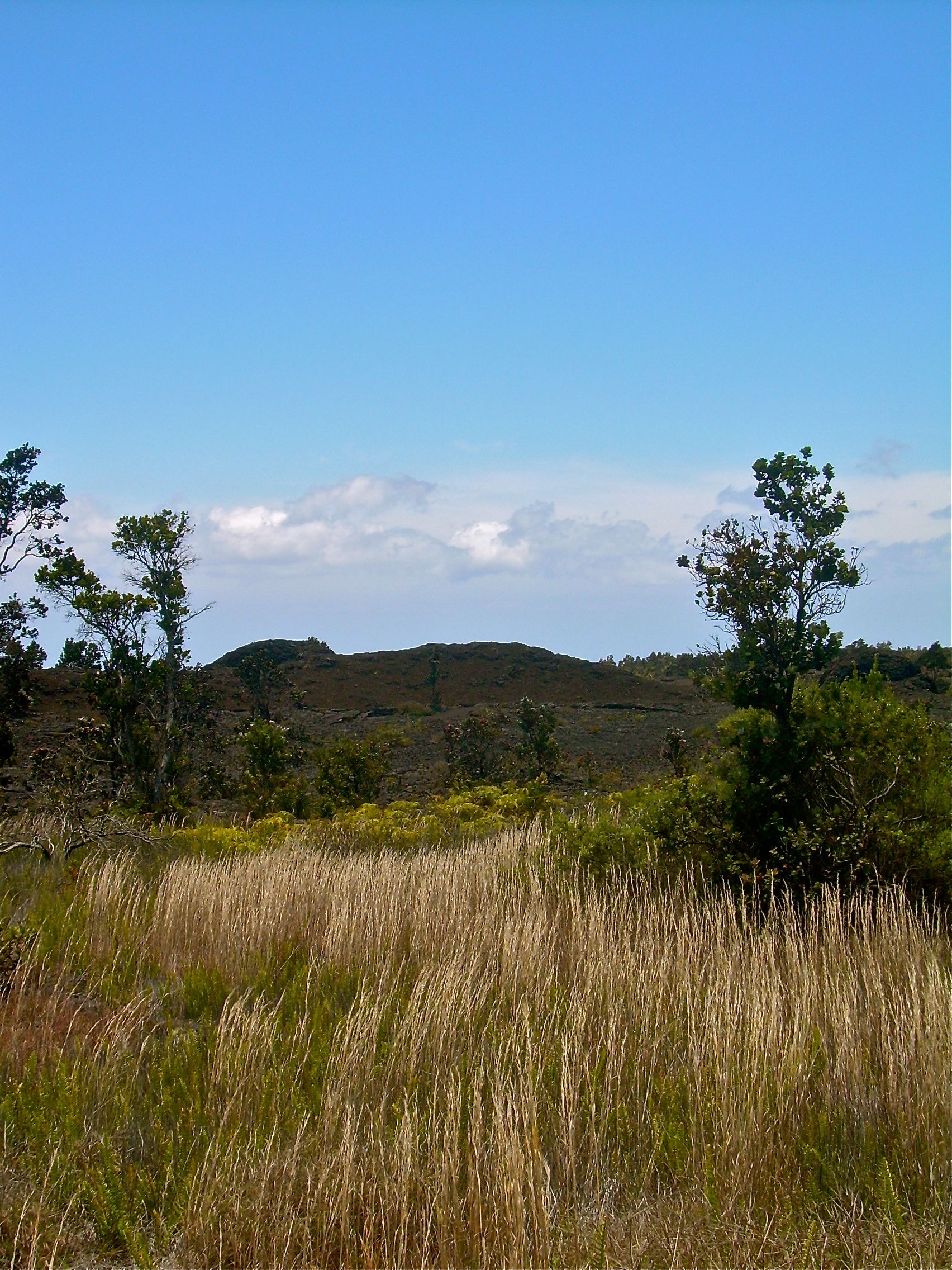
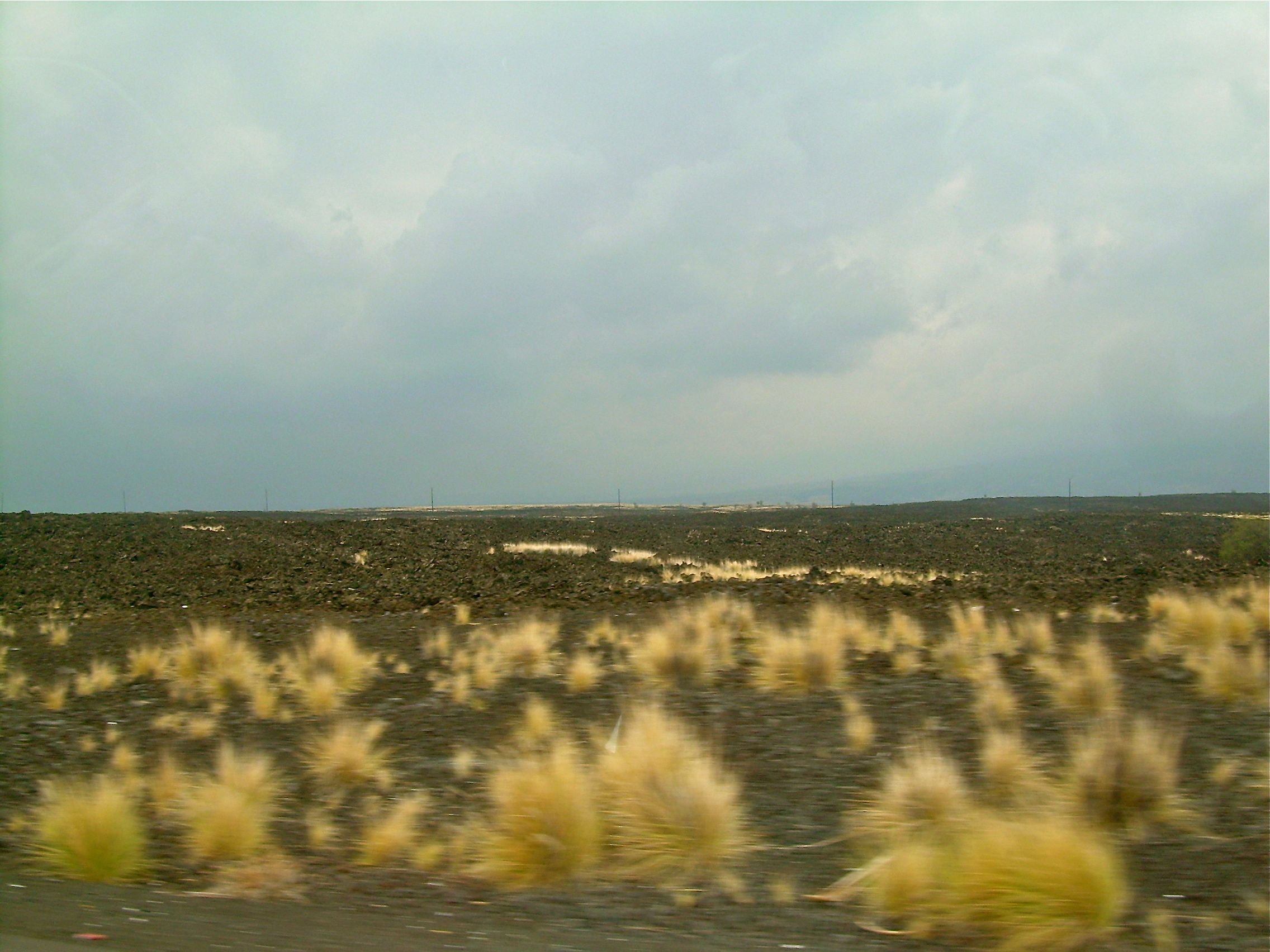
The drive from Kona to Hilo/Volcano on the Big Island is a long stretch of country highway. The first leg winds through a volcanic moonscape. You’re surrounded by endless lava flows with a slice of ocean to your left. Along the Mamaloa Highway, we spotted three wild goats huddled together, posing for the sun. As you head makua, climbing the mountain slopes, the land changes on you, growing green and thick. Suddenly you find yourself in cattle country, and nothing works up an appetite more than sight-seeing ranches.

We stopped for lunch at the Hawaiian Style Cafe in Kamuela, which has blown all other mom & pop lunch plate diners out of the water. They’re special, kalua pork moco loco is enough to feed a family. It’s big flavor for big country. If you’re on the Big Island, there’s no point in visiting without stopping here. Really.

me and my aunties

Our real purpose and mission on the island of Hawai’i was to visit near and dear family. With two lovely aunts who live in and near Volcanoes National Park, and cousins who used to be Big Islanders, its really embarrassing to say we hadn’t been here before. Under the directive of our cousins, soon as we pulled into the little town of Honoka’a, we picked up a box of malasadas at Tex Drive In, who specialize in chocolate, lilikoi, strawberry, mango, and cherry filled malasadas. They are sweet doughy pillows of goodness though, again, nothing compares to Kauai’i Bakery in Lihue. Just sayin’.

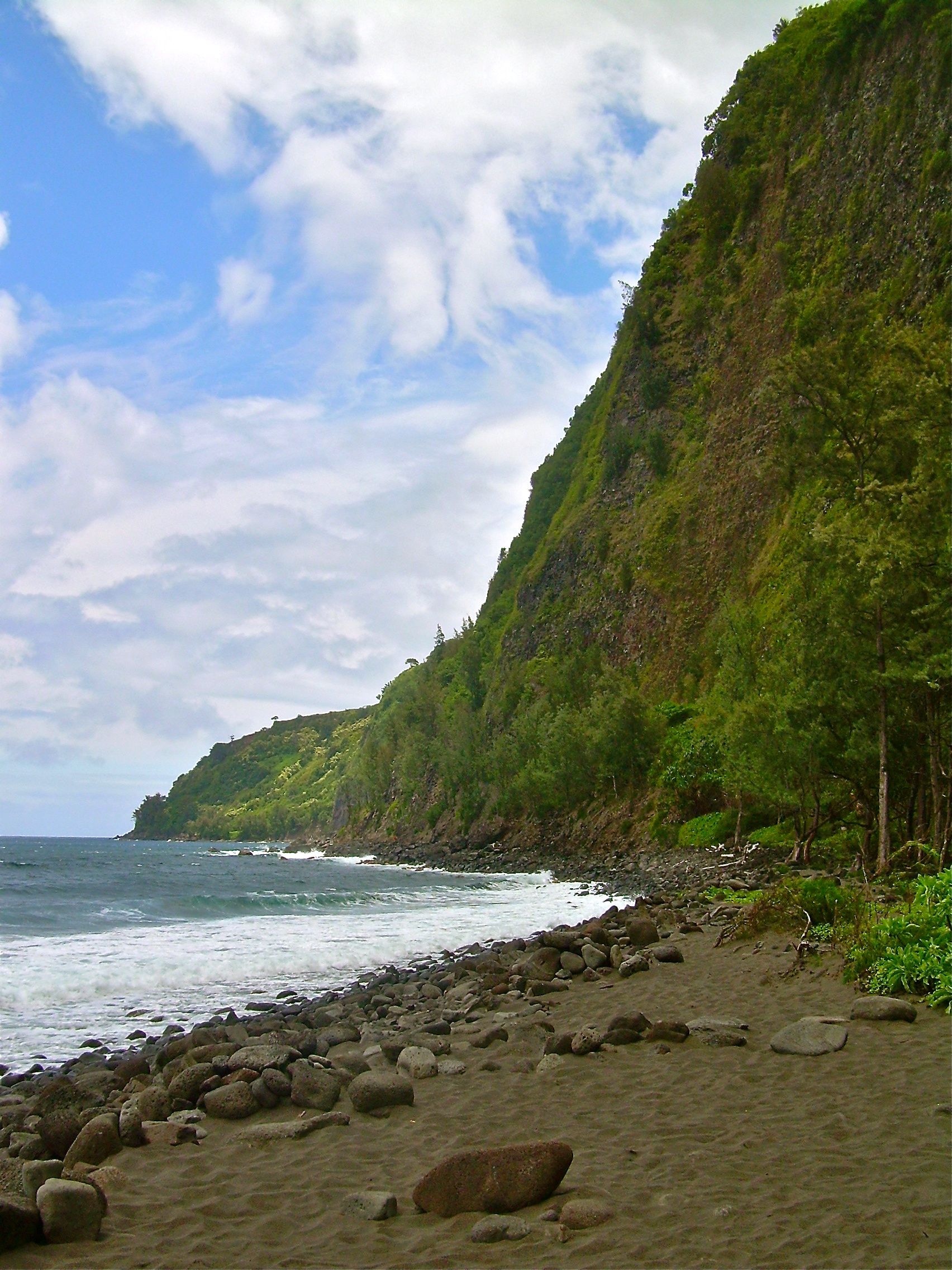
We dropped down to Waipio Valley next, and when we say drop, we literally mean “drop.” The road to Waipio is steep, poorly paved, and full of twists and turns. In fact, its the U.S.’ longest, twistiest road, and you won’t, probably can’t, attempt it unless you have four wheel drive because even after you survive the wicked incline, you still have to face some monster pools of muddy water at the bottom to get to the beach. Technically, the park signs warn that visitors aren’t allowed into the valley unless they’ve been invited, but we figure with so many local family urging us to check it out, its invitation enough. The valley, like most lush, fresh-water filled hollows in Hawai’i was basically a metropolitan for the Hawaiians. There are many sacred sites to ponder and taro farms still thriving to this day. Tread this beautiful land with respect and care.

Before climbing up the volcano, we headed into Hilo to hunt for the ever elusive Tropical Dreams Ice Cream shop, which is supposed to have the best shaved ice on the island according to our trusted guide Hawai’i Big Island Revealed. We don’t go to the Hawai’i without the aid of Andrew Dougherty. Unfortunately, Hilo’s Tropical Dream had been converted into a center for Krishna devotees. Once we arrived at the address, we found a circle of dread-locked singers chanting praises to Krishna and shaking their tambourines. No frozen treats but plenty of samādhi to go around.

We stayed at Bamboo Orchid Cottages, a clean, cozy, and friendly B&B in Volcano. Our room had a little patio that overlooked the tropically wild backyard. Our hosts were friendly dog-lovers, who made a deliciously simply breakfast of fresh papaya boats filled with golden pineapple, dried coconut, and yogurt.

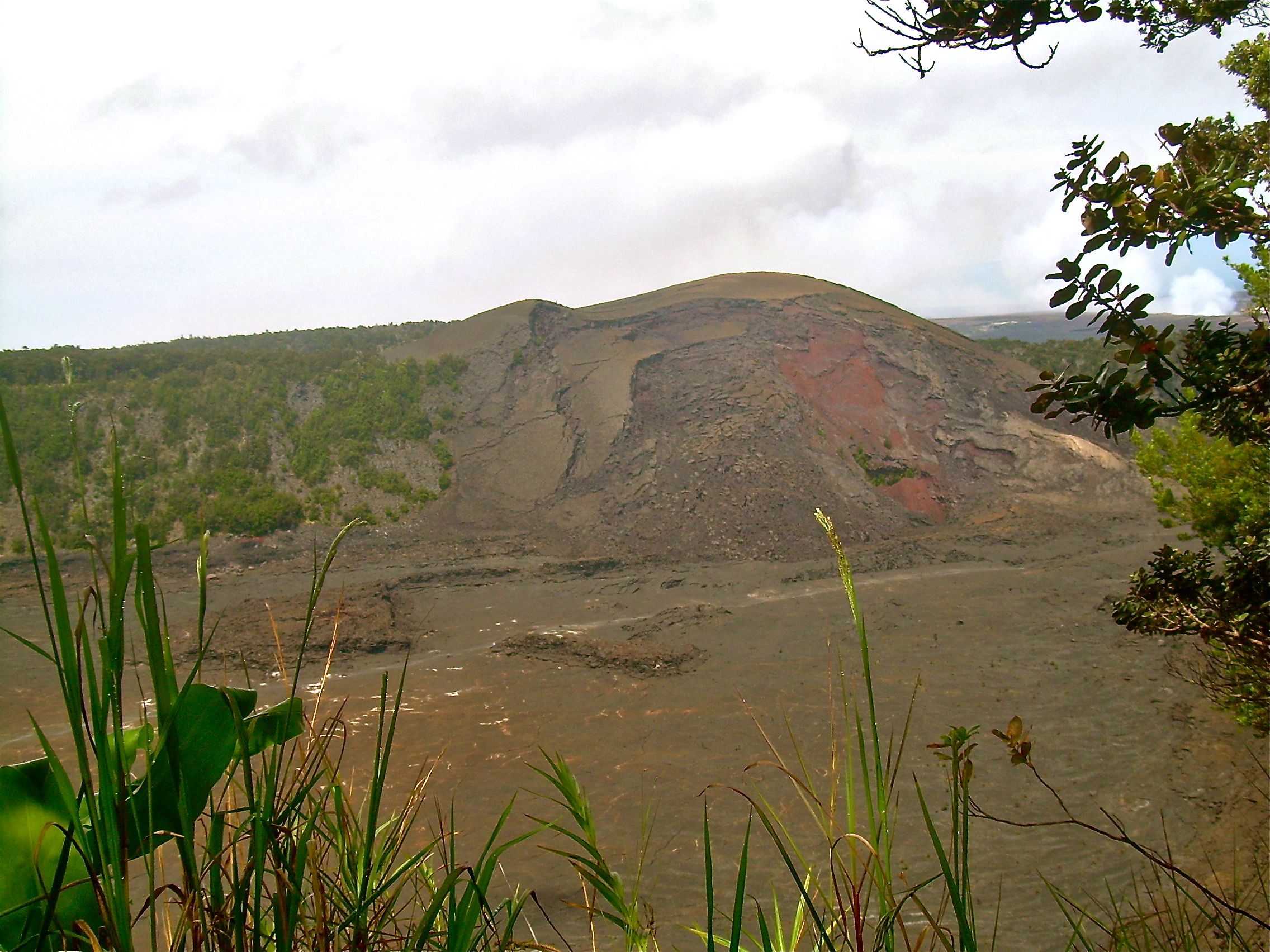
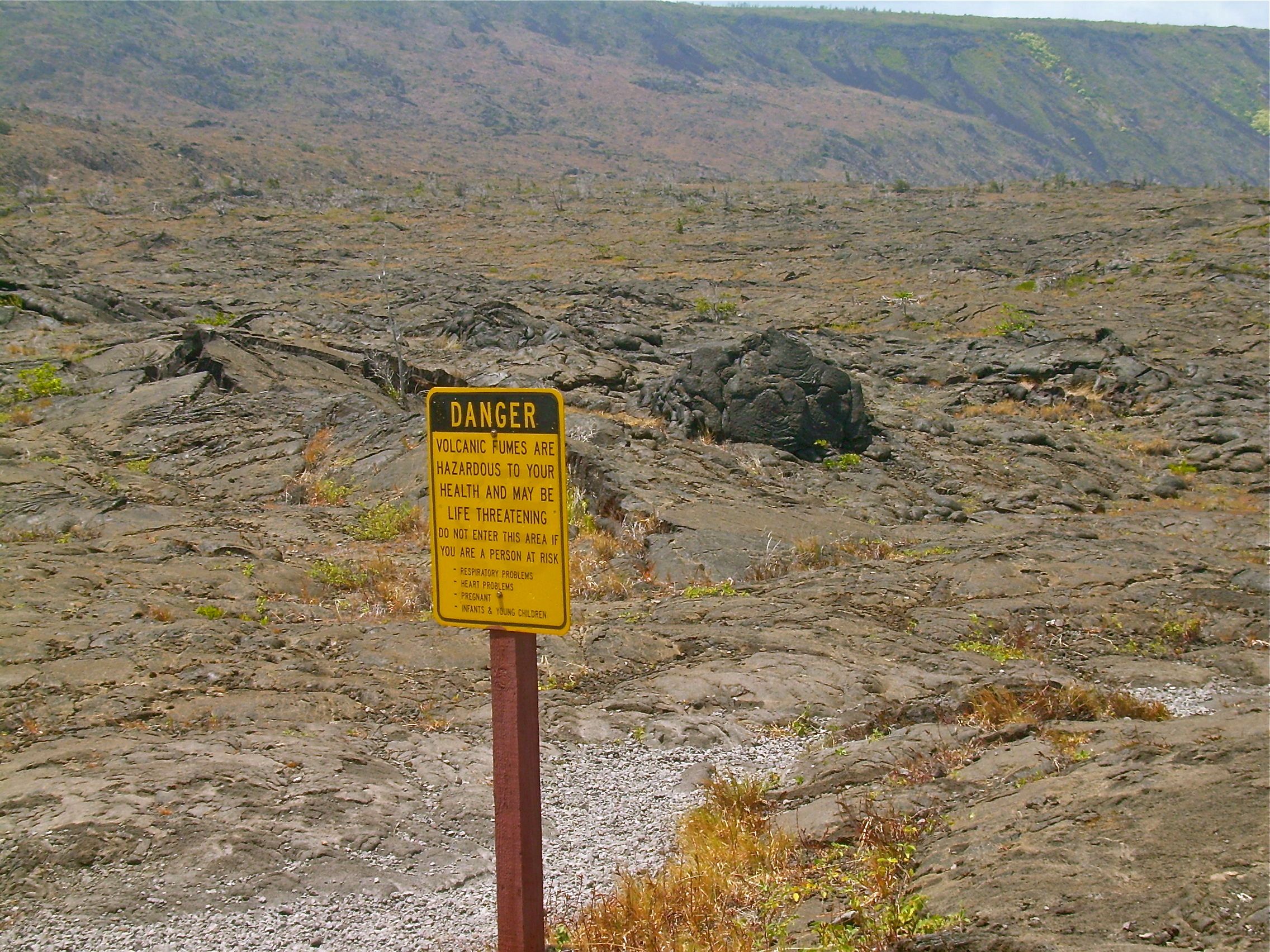
The Kilauea Iki Trail in Volcanoes National Park is part of the Kilauea volcano formed in 1959 (yes, the same year when Morrissey was born!). The crater’s rim, lush, filled with wild ginger and ferns, book ends this trail.  Riddled with deep cracks and fissures, the crater, like the rest of the Big Island, is a lunar landscape filled with volcanic rocks and formations. This trail ends at the Thurston Lava Tube, so you get to see the inner workings of a lava flow.

Never in my life did I ever think I’d see an active volcano, especially at night with a sky full of constellations wheeling above. Like a massive campfire, the Kilauea plume mesmerizes in the evening dark. Though the wind blows chilly, seeing this spectacular phenomenon reaches back to primordial existence.

We couldn’t have asked for better guides to the Volcano, my aunt who works at Volcano’s elementary school and her partner, a former educator and local. They met us for breakfast at the Kilauea Lodge, which serves guava and taro pancakes and some tasty eggs benedict. The Lodge also has an impressive gift shop, and the restaurant features all local artists’ work. When we were there, halfway through our breakfast, a mighty wind storm cut the power lines, which made for a real adventure.

Lucky enough to get a glimpse of local life, my aunt took us to her ukelele group’s potluck hosted by a wonderful couple who share a rich history on the Hawaiian islands. The uke group, comprised of thirty players, not only made some mean BBQ, macaroni salad, coffee cake and chocolate brownies, but hearing them play was an extra special treat.

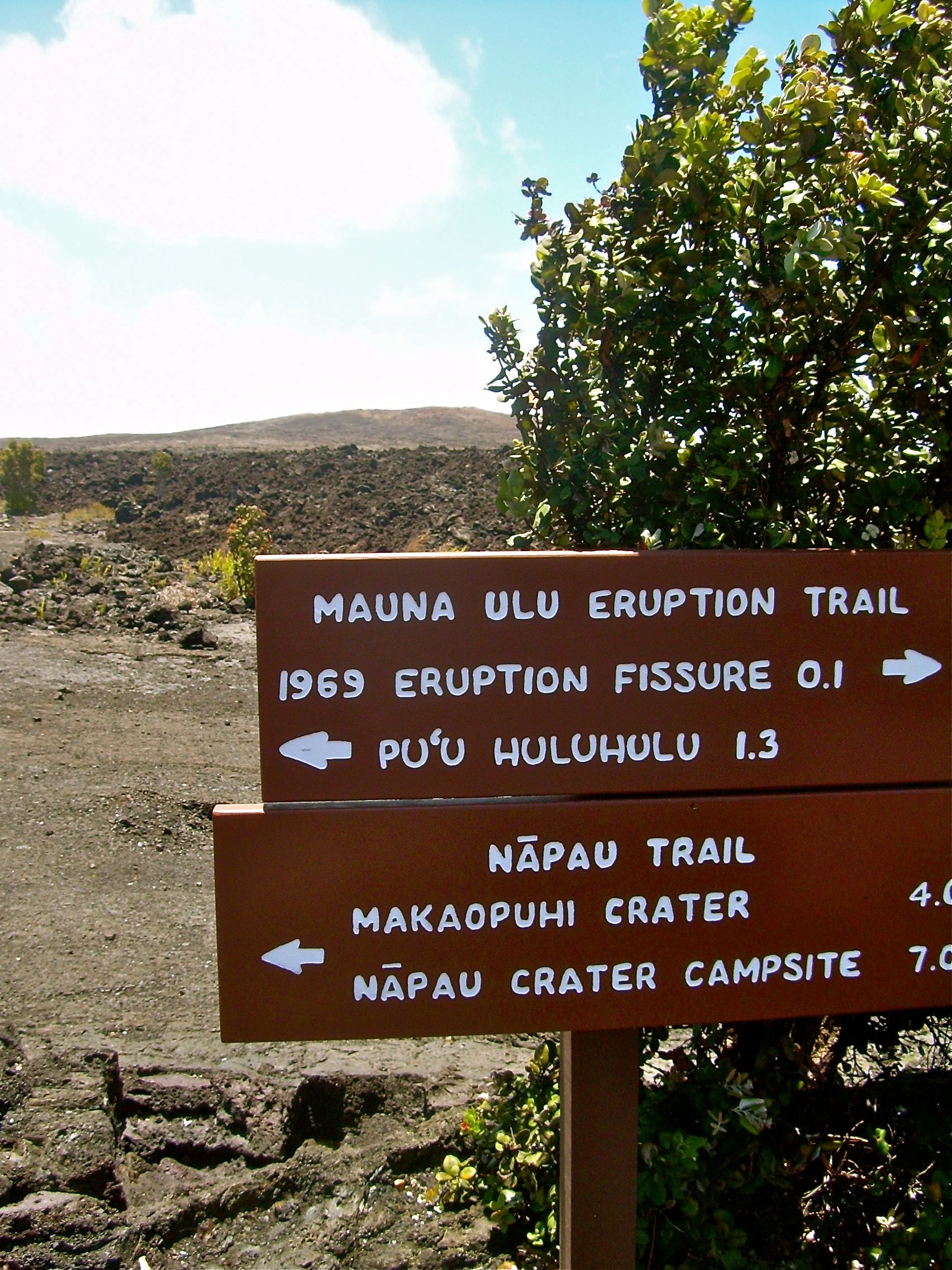
Our guides took us on the Chain of Craters drive, which follows the different lava flows of the volcano reaching all the way down to the coast, where the lava continues to gently build earth. Honestly, you could spend weeks or months exploring all the different sites, trekking the many hikes offered on this road, but some of the highlights are the Lava Tree Formations, Devil’s Throat, a spectacularly dangerous crater that is not for the foolish or weak at heart, and the Pu’u Loa Petroglyphs. The hike to this plateau that contains about 20,000 petroglyphs is scorched by the sun and chafed by the wind, but well worth the effort since you get to meander and mull over an ancient place where native Hawaiians made offerings to the legacy of their family and their homeland.

The end of the road leads to Holei Sea Arch, where the coast clashes against a wall of lava, and, if you hoof it, about 11 miles, you meet with an active flow. Despite the ocean raging just below the cliffs, it can feel like you’re walking through a furnace, a strange sensation.

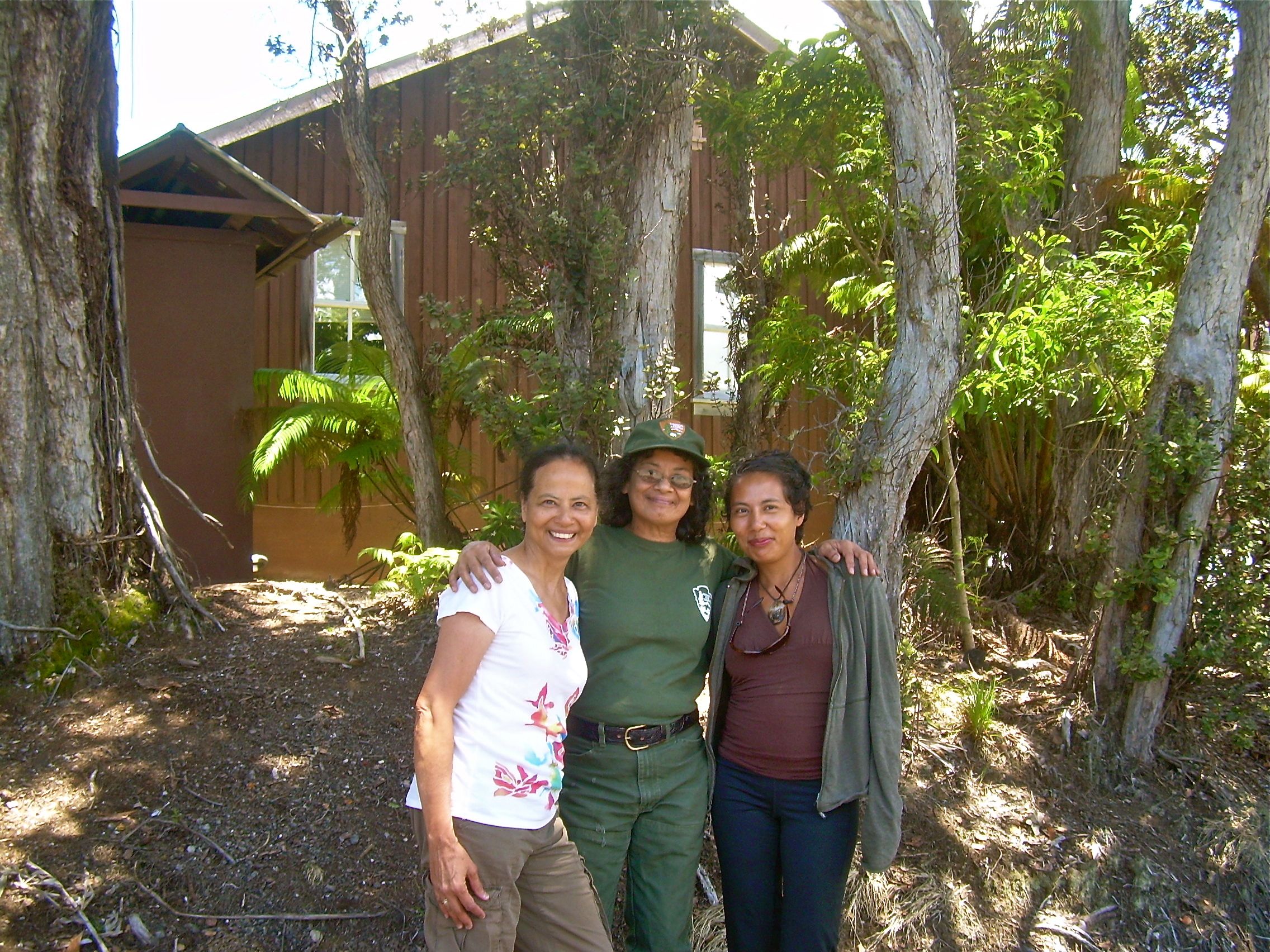
Later that evening, we enjoyed the special treat of meeting with my nina, who works for the National Park, in her hometown Pahoa, which must be the sister city of Berkeley, at least in spirit, since there’s a raw earthiness to this funky place.

As expected, time flew by, and we wish we could have enjoyed more days with family in this mystical spot. Ever grateful for the chance to explore and eager to visit again, soon, big thanks Auntie L, Auntie M, and Uncle G, who served as our Virgils on this otherworldly journey. Much appreciation to our cousins T&M who shared their great knowledge of their island, and ever grateful to Vince & Vangie for their sage counsel on this trip.

Here’s our official “Next Time Wish List,” which we hope we can tackle someday soon:

  • Akaka Falls (Volcano/Hilo)
  • Hilo and Puna sights (tide pools/waterfalls/towns)
  • Blaine’s (Volcano)
  • Hilo Farmer’s Market ~ Saturdays & Wednesdays
  • Maku’u Farmer’s Market  ~  Sundays…towards Pahoa

Kona

  • Pawai Bay- snorkeling (Kona)
  • Golden Pools of Ke-awa-i

Along with cousins’ suggestions for next time. Thanks T!:

  • Flea market downtown on Wednesdays and Saturdays, lots of good snacks and a good day to visit Old Hilo Bayfront. Be sure to take a look in Dragon Mama, its a Japanese textile shop, mad handmade goods.

And once again, a big mahalo to our family for their love and guidance. We dedicate this song to you.

Aloha!

Big Island Love 2012, Part I

To read more on this adventure check out the posts: “Can I Wade in Your Waters, Kaua’i” and “Big Island Love 2012, Part II.”

While all the other islands in the chain are shrinking the Big Island, named Hawai’i but called the Big Island to avoid confusion, is growing, and evidence of its continual expansion is all around you, especially when you realize you have to drive three hours to get from one end of the island, Kona-Kailua to the other, Hilo. Both of these cities will remind you of something like San Diego or Honolulu, compared to the small towns of Kapa’a, Kaua’i or even Maui’s Lahaina. We’re talking big and built up. The locals were excited to have a Pier One Imports opening in Kona. Pier One Imports! Compared to the older islands, the baby of the archipelago is quite a shock to the senses if you’ve just spent time in slow paced Koloa or stepped out of the jungles of Hana.

We stayed at the Kamehameha Courtyard Marriott right at the corner of Kona Beach, and in the thick of downtown Kona. If you’ve ever been to Pacific Beach in San Diego or Weymouth in South England, you might find Kona-Kailua familiar. Think urban meets beach. Hordes of tourists promenading the waterfront, scads of local teens rolling by on skates or hanging out at the pier, and plenty of traffic to keep the night busy all evening long.

Upon arriving, our first order of business was to hunt down the best snorkeling spots, and Kahaluu Beach Park was the perfect introduction to the Big Island. A cozy cove with a small strip of beach but plenty of clear waters to share with the masses, the honu here are in such abundance, its really difficult to avoid tripping on them, but we made every effort not to since the sea turtles are protected. The snorkeling can get cloudy in some parts, but we were able to find some open spaces for good picture-taking. The beach is tourist friendly, complete with a food truck that rents out locker spaces, and there’s an environmental awareness advocacy group who are available for any questions about the area’s restoration. These volunteer naturalists aren’t the friendliest bunch, and they’re not shy about telling you what you should and should not do in the water to protect its natural beauty whether you ask for their guidance or not.

The best snorkeling we found on the Kona side was Two Step, located just across from Pu`uhonua o Honaunau National Park. Parking can be a pain, unless you’re willing to pay the park fee and walk about five minutes. A tide pool area, there’s little to no sand to sun-bathe in but the snorkeling is extraordinary. Thirty feet deep coral jungles with cold water rising from the sea floor, swimming through here is unearthly.

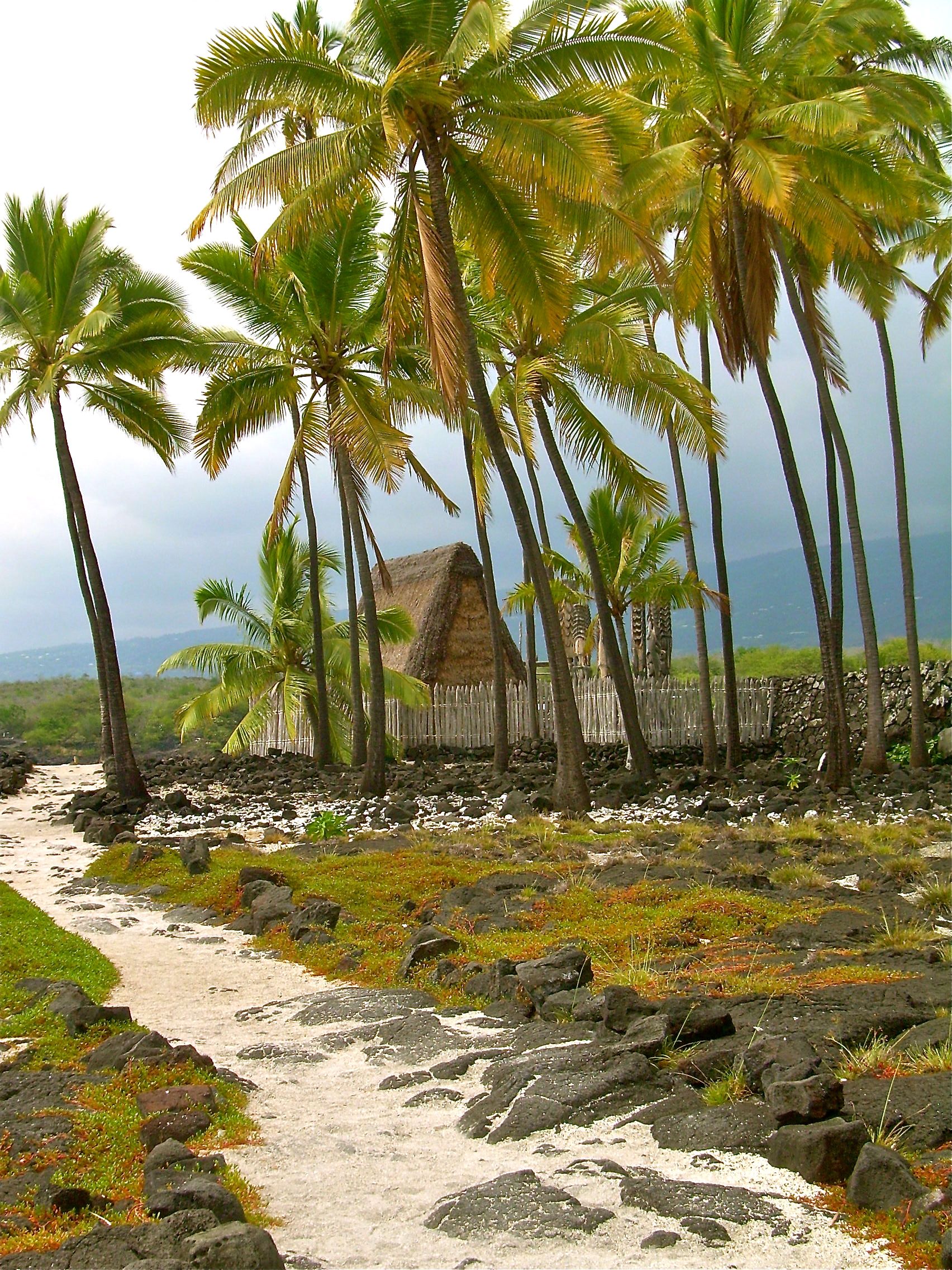
For land-based activity Pu`uhonua o Honaunau National Park is a must. Here they’ve recreated some of the buildings the native Hawai’ans lived in, performed their rituals, and practiced their customs. Known as The Place of Refuge, anyone who had broken a kapu, or Hawaiian law, could find refuge only if they succeeded in reaching the area, which was difficult to access. A sacred site where chiefs were buried, elaborate fish ponds, and ki’i wood carvings make this park a national treasure full of beauty and history.

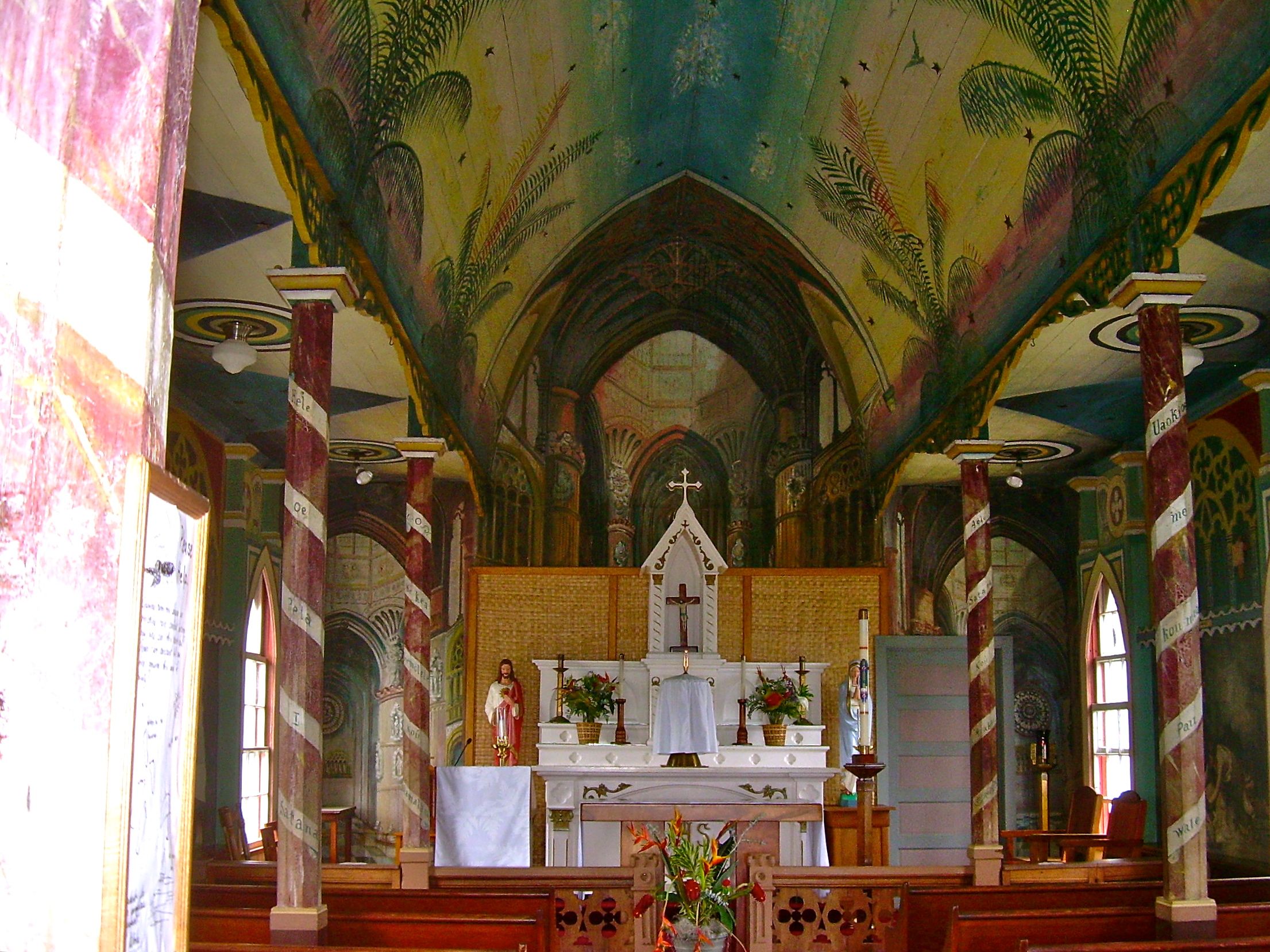
Above Kona-Kailua, on the lush slopes of the mountain is the Kona coffee belt. Here the roads wind through coffee plantations and houses that boast endless mango, papaya, and banana groves. You can see the ocean just below the hillsides, and gape at tropical fruit so bountiful, they’re often left to rot on the street. Up in the thick of jungle, we took a peek at The Painted Church erected in 1899 by Father John Veghle. Saint Benedict’s Catholic Church is filled with Father John’s original art paintings, which helped him to teach his parishioners, many of whom could not read. Most of the Kona Coffee tours are free though Kona Joe’s isn’t. We stopped at Greenwell Farms, one of the historic plantations where the first coffee trees planted are still thriving even after almost hundred years have passed since the owner started their coffee-growing business. Comparing the two places we tasted, Kona Joe’s has Greenwell beat.

On the other side of Kailua-Kona, close to the airport, is Kaloko-Honokōhau National Historical Park. The hike through this park can be brutal on a hot summer day, but the trek is worth it to reach A’opio Beach, which has calm waters and a dreamy white sand beach that begs to be enjoyed. The beach was an ancient fishing trap, and now offers utter tranquility and refreshing waters to wade and enjoy. Best bet is to get an early start to avoid the merciless afternoon sun and bring plenty of water. Then picnic at the Kaloko Fishpond, which serves as another serene setting where the state park is slowly reconstructing an ancient and massive stone wall to recreate the impressive fish traps once used here.

Another serene setting along the Mamaloa Highway is Mauna Kea Beach in the gated, ultra ritzy Prince Resort. All of Hawai’i’s beaches are accessible by public, but can sometimes be quite a feat to reach them. Mauna Kea is no exception. They only allow a certain number of public beach-goers to enter, and we had to collect a pass at the kiosk but, once we got to the beach, we enjoyed a full afternoon of blissful fun in the sun. No snorkeling here, the white sands of this beach and the waters are what make Hawai’i an absolute paradise. There’s a picture perfect cove at the public end of the beach complete with gorgeous trees and rocks, a most romantic spot for lovers.

Some of the good eats spots we found Kona side includes:
Manago Hotel serves traditional lunch plates in a historic setting. The hotel was built in 1917 and feels like it when you step inside. The food’s greasy spoon-style, tasty side dishes of macaroni salad, corn and shoyu green beans, but the loco moco was surprisingly dry and the buttered fish bony. You definitely get a taste of Old Hawai’i when you wander through the lobby and the recreation room. Its worth a stop.

Jackie Rey’s Ohana Grill – Come for the happy hour specials but no need to stay for dessert. Their kalua egg roll is mouthwatering, and their beer selection is a perfect way to end the day.

We splurged for a one-time celebration to watch the sunset at the Four Seasons’s Pahu’ia right on the beach boardwalk. The cocktail menu was displayed on iPads, and, as impressive as the listing was, the drinks didn’t quite match up. The food, however, was every bit as divine as the setting. We shared the opah, moonfish, drenched in a orange shoyu sauce and plated on top of a edamame and mushroom salad. Exquisite dining.

Getting out of Kona was an adventure. The day before we left, we learned that the King Kamehmeha Parade was scheduled for the morning of our checkout. Sounds all fine and good until you learn that the parade passes by the main road in front of the hotel, which was to be closed from 8am-12noon. Not good if you have family you want to see on the other side of da island. We had to do some scrambling, but still had minutes enough to catch the parade set up where we watched paniolos trot by.

That’s the Kona adventure. Up next is Hilo, a completely different and unexpected side of Hawai’i. Stay tuned.

On To MacDowell

Out of my wildest dreams, 2013 starts off with a three-week fellowship at the nation’s oldest arts colony, MacDowell founded in 1907 in Peterborough, New Hampshire. If yours truly wasn’t also accepted to The Retreat for Writers at Hawthornden Castle in Scotland for June this year as well, I’d be suffering from a serious case of imposter syndrome. And below is why. A shortened list of some of MacDowell’s past fellows and the projects they worked on during their stay should give plenty of reasons for doubt and legitimacy. Sally Field, I feel you.

Marian MacDowell in front of Edward's log cabin, the Colony's prototype studio. Archival image.

Aaron Copland
Meredith Monk
Duncan Sheik
Nick Carbo
Amy Bloom
Lan Samantha Chang

Louise Erdrich (known to have worked on one of my all time favorite novels, Love Medicine)

James Baldwin (Giovanni’s Room)
Eric Gamalinda
Jessica Hagedorn
Garrett Hongo
Allison Landa
Rick Moody
ZZ Packer
Nzotke Shange
Lysley Tenorio

From their website:

The mission of The MacDowell Colony is to nurture the arts by offering creative individuals of the highest talent an inspiring environment in which they can produce enduring works of the imagination.

The sole criterion for acceptance to The MacDowell Colony is artistic excellence. MacDowell defines excellence in a pluralistic and inclusive way, encouraging applications from artists representing the widest possible range of perspectives and demographics.

So, what will this soon-to-be-fellow do at MacDowell? A game plan would be nice though a very near and dear writer friend called just days before departure with her advice since she’s been to Hedgebrook, Vermont Studio Center, and East Anglia. She was adamant about not expecting too much: “You’re not going to get everything you want done, but you will get what you need.” Echoing the wise words of Mick Jagger, she confessed wishing someone had told her that during her residencies.

The expectations thus far have waned and waxed with anticipation, and we’ll see which if any come true, knowing that as my partner’s ukelele instructor once warned during a music lesson, a creative person is never satisfied by their creation, prepare to be perpetually dissatisfied and to feed off your dissatisfaction.

With that in mind these goals may sound abstract but here they are: to tighten voice & style or at least have a stronger sense of each. Not that the entire projekt will be tightened but a firmer grasp on voice & style, and how it changes from character to character, from start to finish, just a keener sense on what each of them are and their evolution would be wonderful. Which leads to the question about structure. Does voice and style dictate structure? Is it vice versa or do the two really have nothing to do with the other? Perhaps that question will be answered on the Eastern seaboard.

More than anything a mental map of where this projekt needs to go is the ultimate aim, and that map needs explicit directives on voice, style, structure, and tone, knowing that all of this should evolve from one chapter to the next depending on character and progression of plot.

This residency is not only a good chance for the physical, mental, and spiritual kick in the arse as all good travel is since I’ll be clear across the country in a completely new and snowy environment. There’s also the mingling with other writers, painters, musicians, architects, sculptors, and who knows what these encounters may bring, but the relationship that is utmost in mind is the intent to gain a newer, closer, almost incestuous, yes, I said it, intimacy with the projekt. Even after five years, it still feels so much of a foreign beast. Is there anyway that the projekt might feel like a part of me, an extension of self? And in getting to know this piece better, getting skin close to it, is there a possibility of taking Writing to a different level? To not just make this art a second nature but first? That may be asking too much.

Satisfaction with dissatisfaction. If that’s one guarantee, I may just be ready.

If you have advice about New Hampshire, Boston, cold weather fun, what do and what not to do at residencies, and or creative-making, I’m all ears. Happy 2013. May yours be a healthy and bright new adventure!

Can I Wade in Your Waters, Kaua’i?

To read later parts of this adventure check out the posts: “Big Island Love 2012, Part I” and “Big Island Love, Part II.”

This summer was blessed with a trip to Hawai’i, and the first stop landed us on the Garden Isle of Kaua’i, where we stayed at the Outrigger Kiahuna Plantation in Koloa, perfectly situated and impressively equipped with a full kitchen, a peaceful lanai where we could listen to geckos chirp in the night, and a spacious living room and dining room where we watched the start of Euro 2012.

Kauai island is the oldest in the chain of paradise, which makes for a mostly gentle and lush landscape, where its difficult not to relax and enjoy a sweeter and slower pace of life:

To Do & See

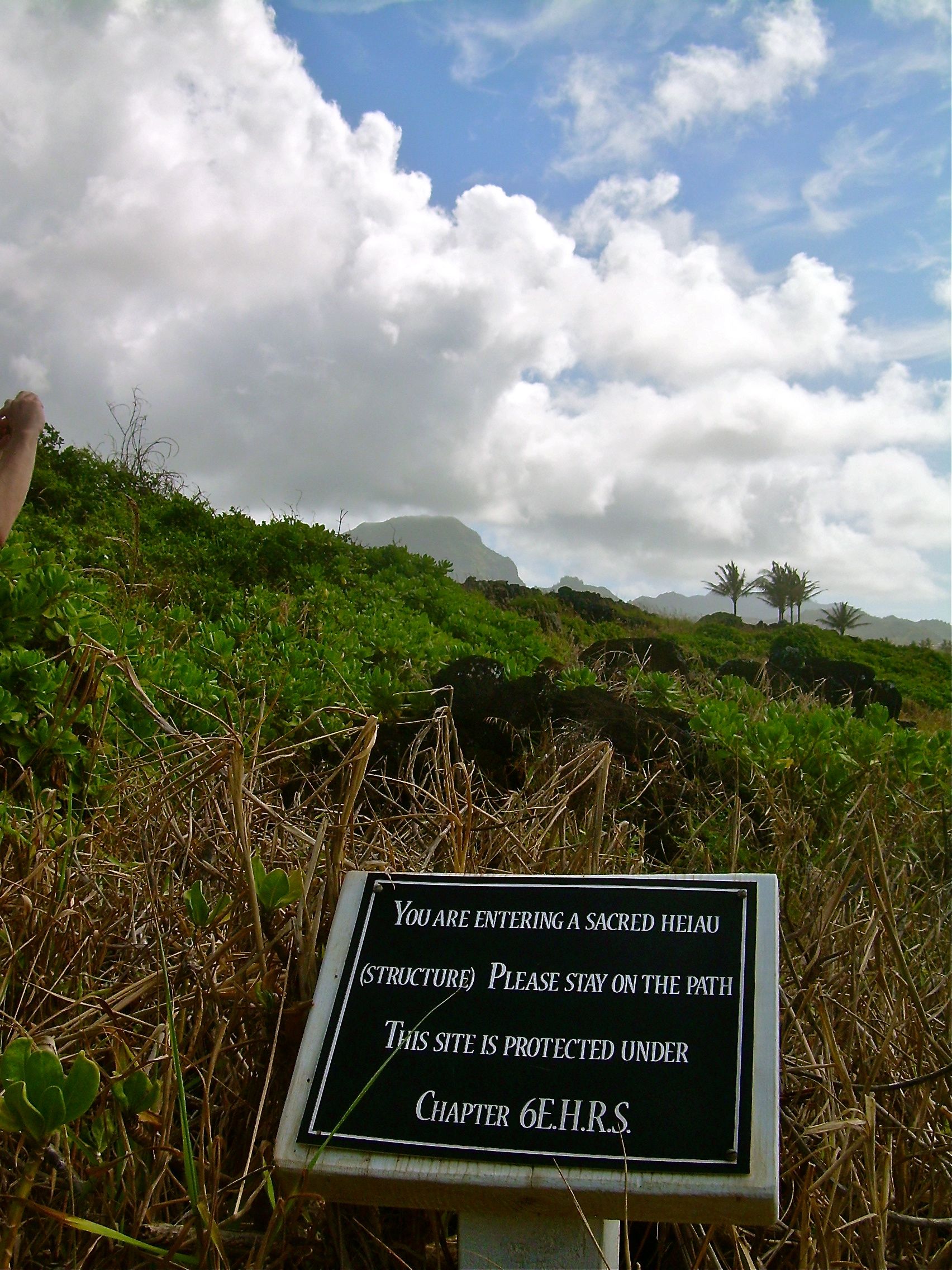
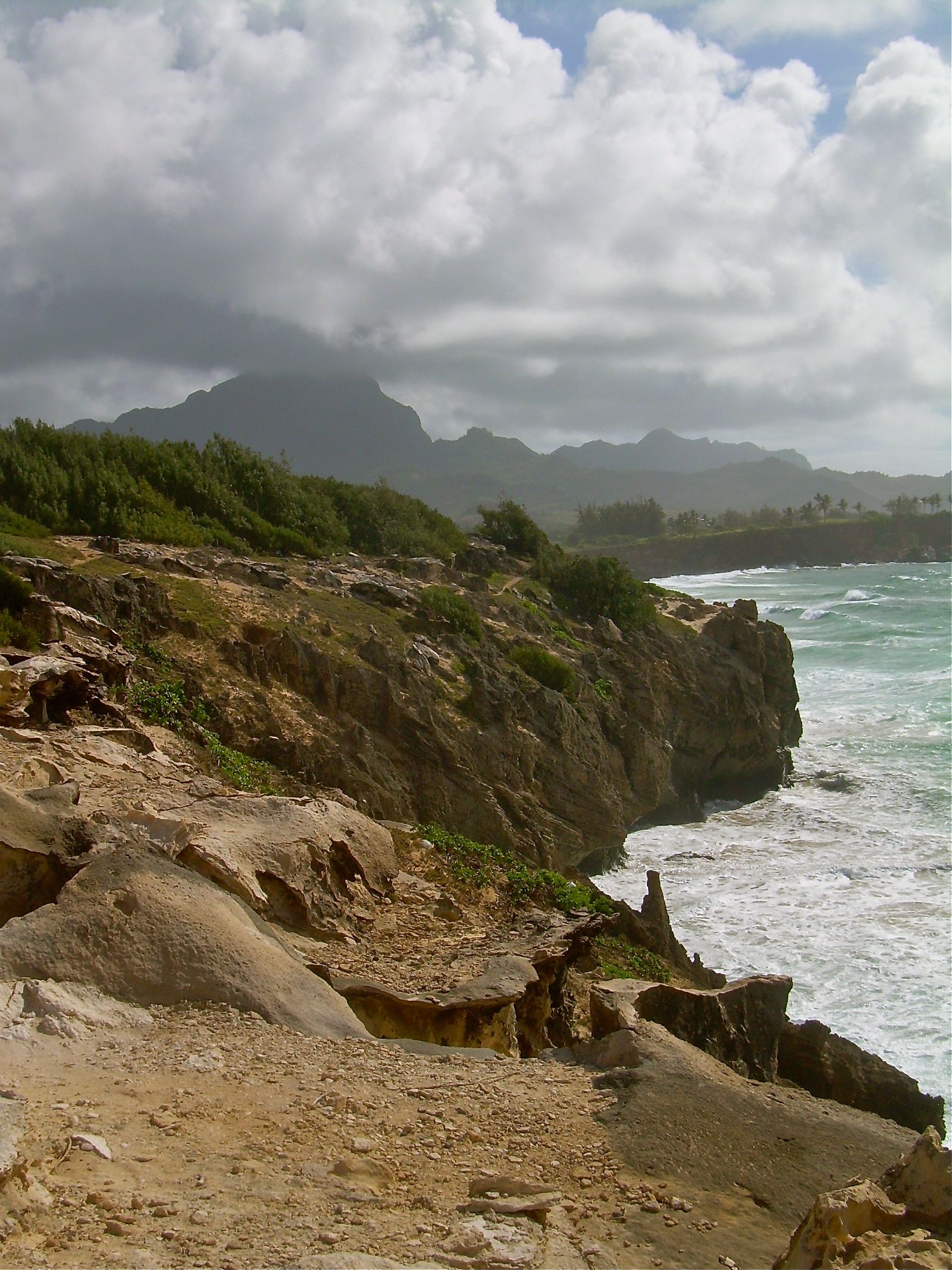
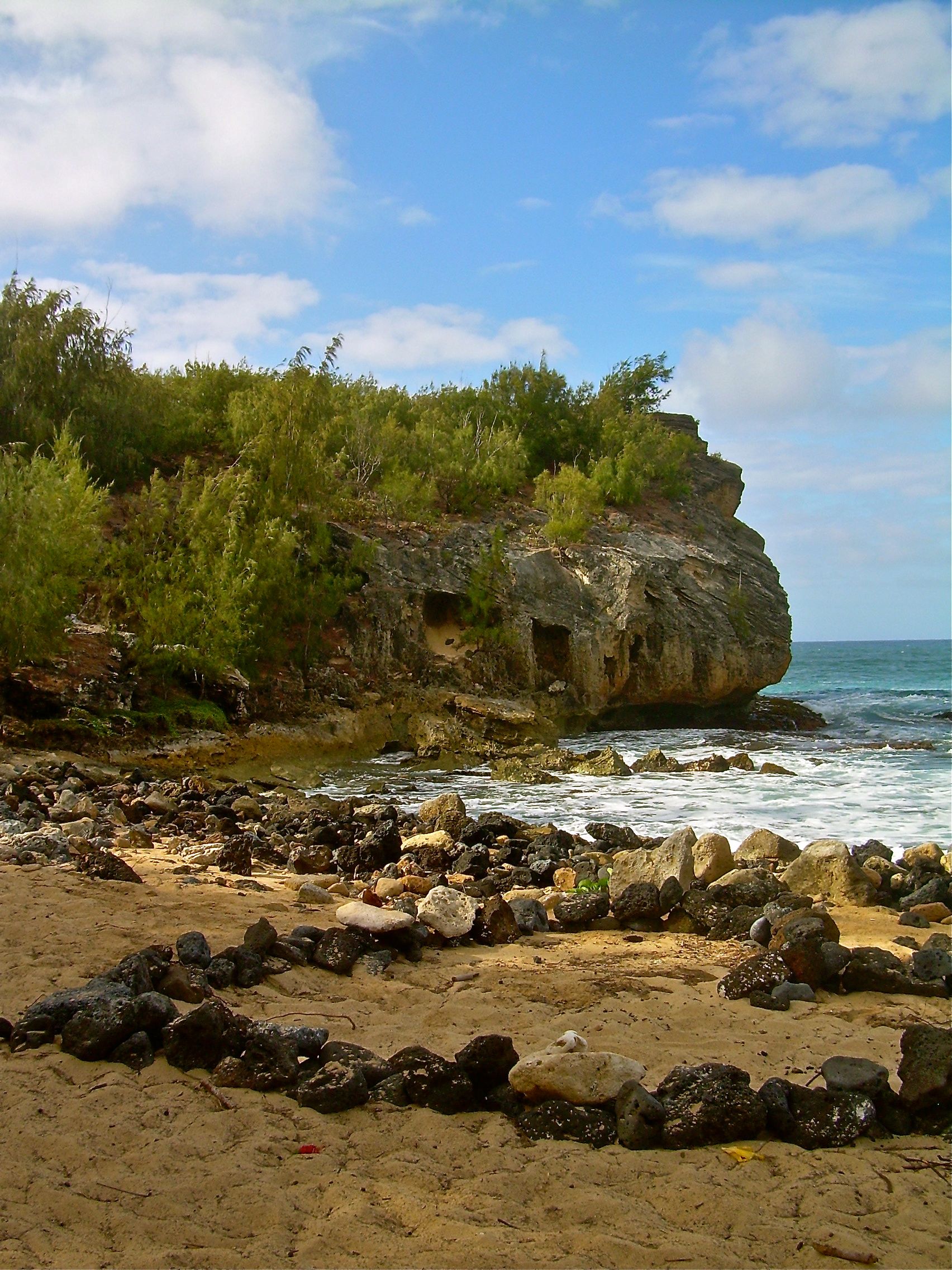
Mahaulepu Heritage Trail a shoreline trail to Mahaulepu Beach, 4 miles in and out, which starts at Shipwreck’s Beach in Keonaloa Bay and tramples along rugged coastal cliffs, where the Pacific lashes against the Paa sand dunes. Here we passed sandstone-limestone rainwater formations known as Pinnacles, paid homage at the sacred heiau Hoouluia, trekked through a golf course to end up at 10,000 year old sinkhole, where scientists are researching native Hawaiian flora and fauna before human settlement.
Outfitters Kaua’i offers the irresistible adventure Paddle and Jungle Hike on the Wailua River. Paddlers kayak upstream to hike through jungle and swim and lunch at a beautiful waterfall. The guides are wonderfully knowledgeable about native lore and botany, and the lunches are pretty damn tasty, compared to competitors. Our guide, Mitch, gave us the inside scoop on where to pick up the best local lumpia. He wasn’t joking. See below for good eats.

Family and friends have raved about the Na Pali Coast, and its hard to imagine what they’re talking about until you actually experience this jagged face of earth, where we found religion during our first-hand experience.  Na Pali Catamaran, located in the heart of Hanalei Bay, got us fitted for our day trip, and watching the sunrise while pushing out from Hanalei Bay inspired new faith. That’s just the beginning of an all day adventure!

Makau known in South Pacific at Hanalei Bay

The name of the company is a bit misleading since the vessel we took wasn’t a real catamaran but, because of this, the boat was small enough to experience some real treats. Our guides took us to three sea caves, one with a waterfall cascading through it, (waterfalls are known as wai le le, or dancing water), another with an open roof where a wedding was once performed, and the first cave, where we met a local uncle who speeds around in his RIB, shouting loud enough to hear his hoots bounce off the cave walls. Our guides told us this kinky-haired, native Hawaiian saves the lives of those who dare to swim or kayak along the sheer cliffs of Na Pali.

On the waters, we followed the hiking trail Kalaulau which is 11 miles in and out to Kalaulau Beach, a remote part of the world that requires some strenuous means of access. Lucky for us, all we had to do was board the boat, slip on our flippers and snorkel gear and hop into the water, which was colder than expected.

Allerton Gardens is a perfect way to slow down and catch one’s breath, which is just what we did, taking the short tour through the botanical wonders of The National Tropical Botanical Garden’s fourth garden on the Hawaiian islands; their fifth is in Florida.

To plug into the local scene, we sauntered through the Hanapepe Art Walk hosted in the small town of Hanapepe, taking place every Friday evening. Best shopping for genuine local gifts and souvenirs.

Hanapepe Aloha Theater

Must Eatz

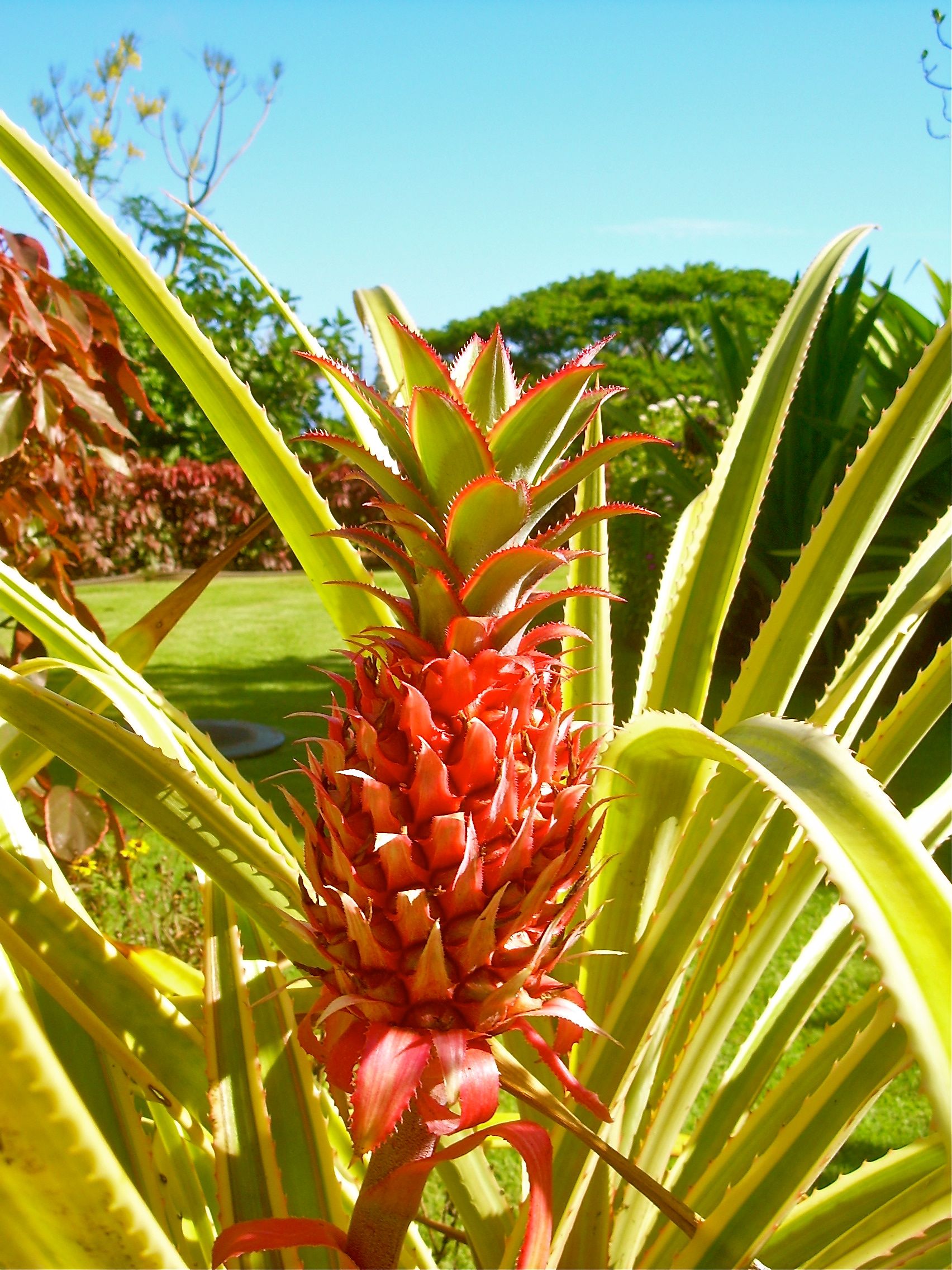
Kapa’a is the largest town on the island but still has a local feel to it, and their farmer’s market is pretty impressive. Not picking up one or two pineapples here is pretty much a crime, and, once you bite into one of these juicy beauties, you’ll be spoiled for Hawai’i’s golden fruit.

It’d be hard to find shaved ice and ice cream better than Koloa Mill Ice Cream & Coffee, and if you don’t believe me try their combo of shaved ice flavors coconut and passion fruit with mud pie ice cream on the bottom. ONO! Their haupia ice cream will have your taste buds dancing.

Along the same storefront as the Koloa Mill is Sueoka’s, a grocery store, and just to the left of them is their snack shop, a kitchen tucked away, completely inconspicuous, with a simple window for ordering. Their loco moco, fried chicken, and macaroni salad is almost as good as the Big Island’s Hawaiian Style Cafe (more on that latah)—and that’s pretty damn good. Can’t wait to go back.

Hanalima Bakery was suggested to us for malasadas (they have musubi, loco moco, breakfast and lunch along with their enticing baked goods) but Kauai Bakery and Cinnamon, in the Lihue mall, so far, has most Hawaiian bakeries beat. Best malasadas eva–we’re still on the lookout for competition across the islands.

For some homestyle Filipino food, try Mama Lucy’s lumpia, next to Hanalima’s, which will satisfy any homesick hankering for pancit and rice.

As usual, we didn’t have hours and days enough to do everything on our wishlist, so, for next time:

  • Hanalei Beach
  • Makua Beach
  • Ke’e Beach
  • Kekaha (bread pudding?)
  • Waimea Canyon
  • Koke’e lookouts
Heading toward to Kawailoa Bay on Mahaulepu Trail
Shipwreck’s Beach

Big Island love is next, so stay tuned.

In the meantime, here’s a dedication just for Kaua’i: