Part II: Recap on “Great Writing 2016: The International Creative Writing Conference UK

image
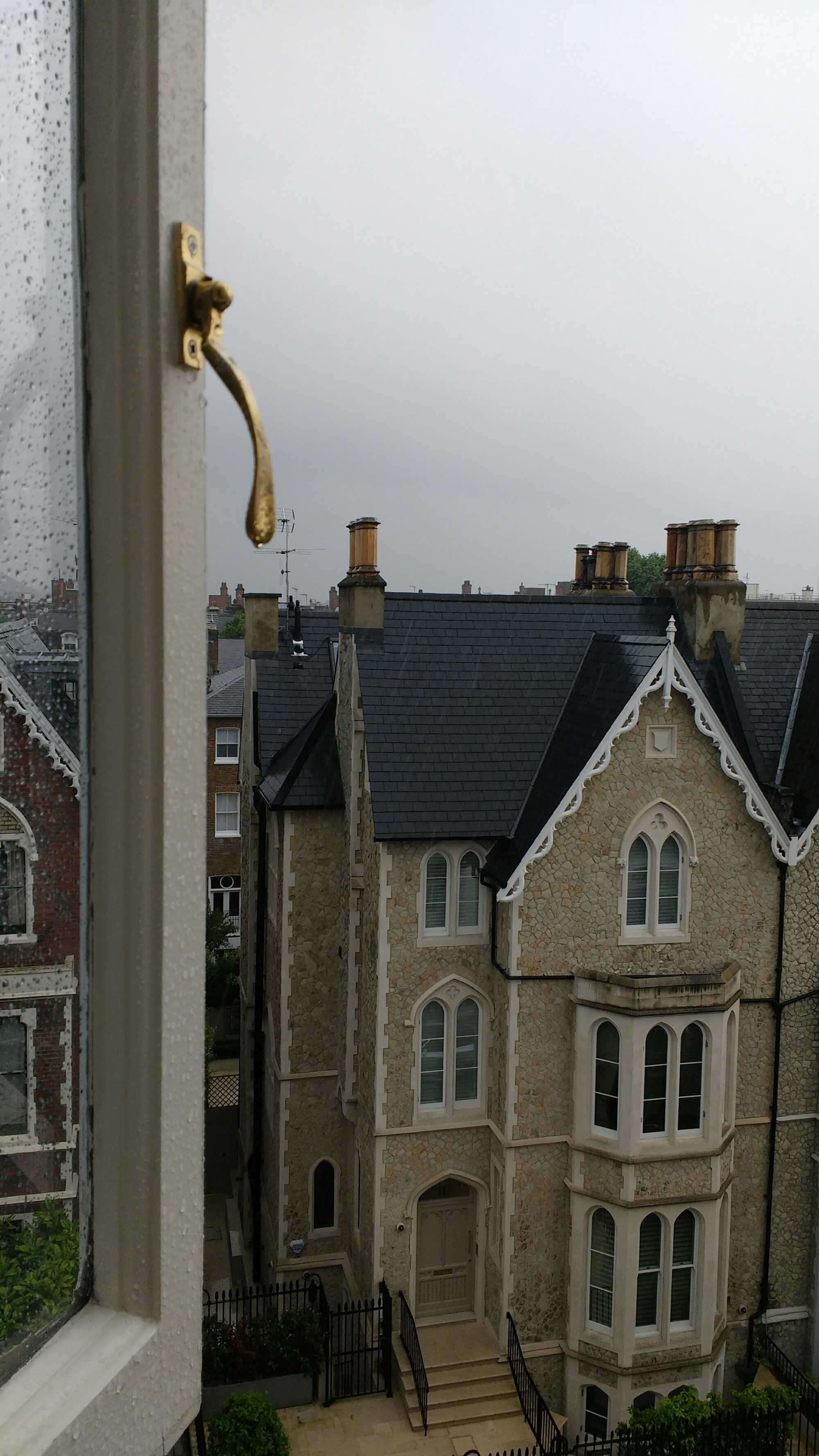
The view from the Kensington Flat, where I stayed during the conference.

Continuing coverage of “Great Writing 2016: The International Creative Writing Conference UK,” held at Imperial College, London, there were so many enlightening panels that offered great insight on the process of writing and best practices in teaching. Below is a taste from the hastily scribbled notes I took. Check out Part I here.

Melissa Bender’s “Just Like Us?: The Novelist’s Responsibility to the Historical Record, which she said was more of a meditation, focusing on Gwendolyn Brooks, Year of Wonders, a historical account of Derbyshire, 1666, where the town of Ames was quarantined to prevent the plague. Bender highlighted the idea of fidelity and reflected on how writers make decisions to be or not to be faithful to history, knowing that there are different histories. She focused on our responsibility as writers and readers to history, and how the historical novel transports readers to a different place, which allows readers to empathize with points of view that aren’t their own. The historians’ challenge versus the historical novelists’ challenge covers such questions as (some of the below are from yours truly):

  • What or who is demonised and why?
  • What is fetishized and why?
  • What is exalted and why?
  • Are the specific subjects demonized/fetishized/exalted to reflect our contemporary values or the values of the past?
  • What is the source of all the problems?
  • How do you develop empathy though you have a different set of values?

Bender cited Sarah Vowell, who says “education is empathy” and that we learn about our situations by taking in other’s people’s POV. Its not about policing the details of historical fiction or the duty to historical record. Novelists must use their imagination since we can’t recreate the past. As readers and writers we need to think about the choices we make and the consequences we create through narratives.

Lauren Hayhurst’s research perfectly coincided with mine in her talk “Creative Writers as Cultural Representatives: A critique of the ‘political’ in relation to ‘literature’ and how Creative Writing can help reinvent Multiculturalism.” Hayhurst doesn’t doubt the power of Creative Writing in multiculturalism. She spoke of the difference between process and product, and how the process is hidden. Reviewing the idea of British Multiculturalism, which she explained was met or is viewed as “confusion and ambiguity,” she highlighted how there is no consensus in its definition. Hayhurst pointed to Paul Gilroy’s After the Empire, and how Gilroy claimed that reckoning with history requires active dialogue to create cohesion. Fiction as an engagement with creativity. Writers must take ownership of our responsibility as cultural representatives, especially since we rely and use our products, the novel or text, to engage and understand the world. What biases inform our interpretations? Hayhurst demands a recognition of novels as a source and form of knowledge. She also referenced Jennifer Web and Donna Lee Brian’s idea on “agnostic thinking,” how knowledge is contingent as opposed to “true,” which provides a framework for an active dialogue. Hayhurst urges us to examine our motivations and intentions as writers.

One of the questions her presentation raised for me is how do we maintain the creative journey and intellectual discovery for the writer but also take into account our responsibility as “cultural representatives” or as givers of “knowledge”? How do we balance our discoveries as artists with the discoveries of the reader or what we want them to discover in our work?

Hayhurst wrapped up her presentation focusing on how writing requires developmental, growing consciousness?  Aesthetic values and ethical values are tied up she argues, concluding that our positionality leads to interpretation and therefore representation to the readers. “Its about flexing the imagination, imagining for your own gain or for someone else’s,” she concluded.

I truly hope to reconnect with Hayhurst, so we can collaborate on future work!
image

Toward the end of the conference, I had a chance to reconnect with a fellow Hawthornden resident, poet and professor Julian Stannard (photo above), who said that a poem is an accident. He read from his new work What Were You Thinking.

There were two papers that intriguingly covered process, valuing the craft of writing more so than the product. Annabel Banks’ “The Poesis Project: Real Time Capture of Poetic Process” and Rosie Shepherd’s of Goldsmiths College, UK, “Where is the Creative Process? Its right there!” seemed to be speaking directly to one another in terms of the physical process of writing and the process that takes form and eventually turns to content with a poem. Banks talked about how as we edit a text it grows and shrinks. The finished product could in a sense, as Banks explains, be the dead body, the corpse after its life has run its course. “We are networked, part of a knowledge matrix when we go online and work on a computer as opposed to working with the simpler technology of pen and paper” she says. Both Banks and Shepherd seemed to consider the product as secondary to the process and had me thinking how technology assists and enables content, meaning, and therefore interpretation.

Some general thoughts, that came up for yours truly is how do we imagine our imaginations? How is form formed? Craft is part artists’ intuition and other part artist’s extreme rationality. We make countless decisions as artists, and those decisions have to be calculated or based on some knowledge and prior experience or perhaps the artist’s intuition is simply based on gathered knowledge and experience. The product is a time stamp, a time capsule, and part of the continuum of work of the networked matrix. There is lots to ponder as the rains started to flood the streets of London. See the sky view from the Kensington flat below.

One more final installment to come. Stay tuned…
 

image

Shadow Writing the Global Imaginary

image

Stories map the cosmos of our curiosity, of our lived experiences, and of our hopes and fears. To chart these cosmos is to be comfortable creating amid paradox, to be at ease in a world of contrast, and to not fall back on bias or pre-ordained assumptions and fore-gone conclusions. Inciting a world awareness or a global imagination is a perpetual process of othering or defamiliarizing ourselves from reductive, schismatic, and discriminatory notions about who we are, the world we live in, and our connections to one another.

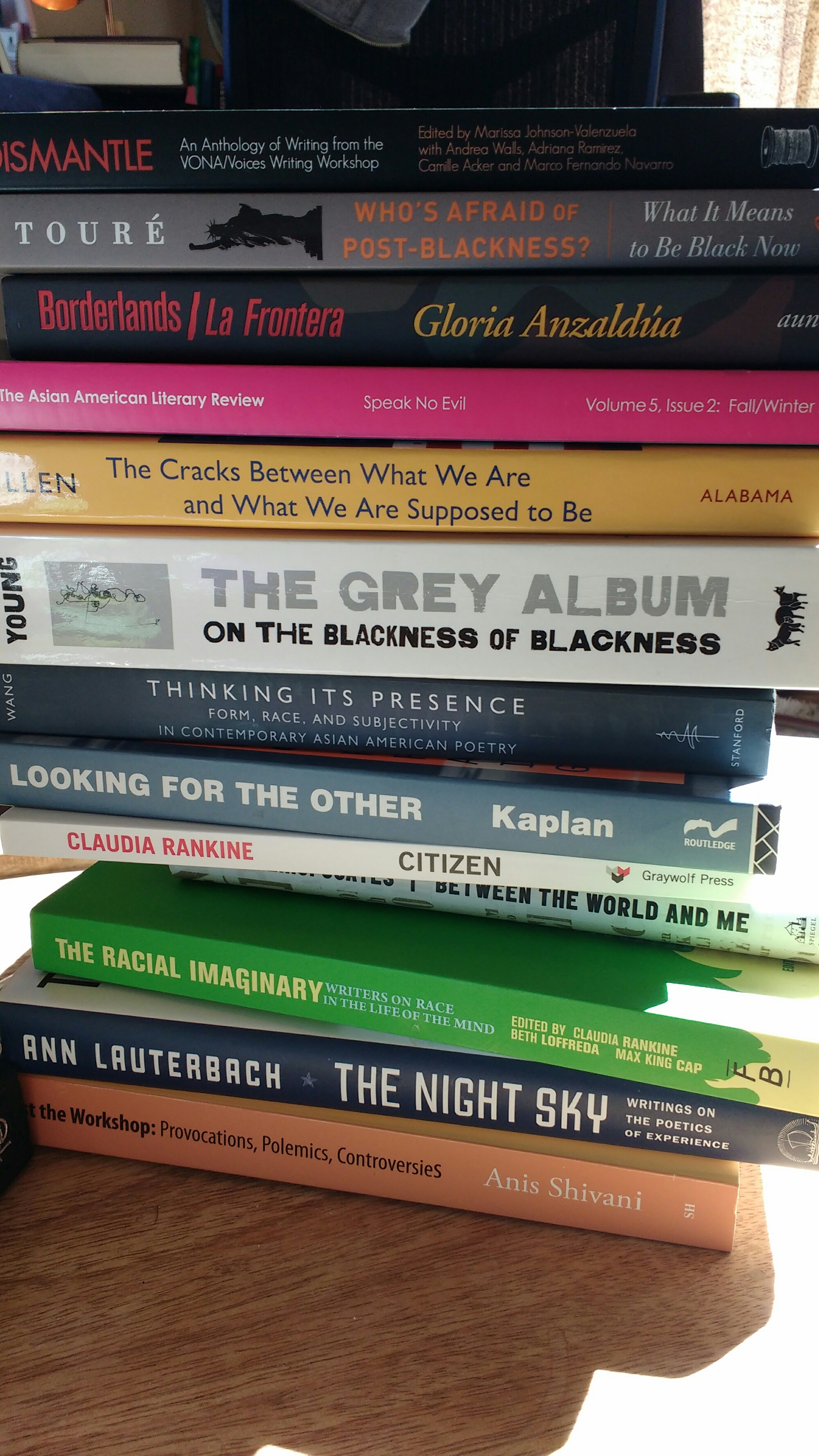
The above is just a taste of the research paper yours truly is trying to finish and soon present at Great Writing: The International Creative Writing Conference, UK at Imperial College, London, where I’ll be riffing off of Junot Diaz and his “MFA vs. POC.” Writing and researching (see above pic for some of the titles I’ve been diving into) for this topic has inspired a creative writing course, which thankfully got approved to be listed as part of Saint Mary’s College of California’s January 2017 Term described on their website as: “a monthlong session held each January in which every undergraduate explores a single topic in great depth and at an accelerated pace, featuring a unique blend of opportunities on and off campus.”

If yours truly can rouse the necessary enrollment, I’ll be piloting the following course (fingers crossed!):

Craft is Culture: Shadow Writing the Global Imaginary


COURSE DESCRIPTION
“In my workshop we never explored our racial identities or how they impacted our writing—at all. Never got any kind of instruction in that area—at all…” author Junot Diaz states in his “MFA vs. POC” (New Yorker, 2014) thereby igniting an urgent conversation about diversity in the literary arts. For historically marginalized artists, creative writing begins and ends with perilous tension. As we read novels, short fiction, and poetry from various authors like Louise Erdrich, Gabriel Garcia Marquez, Harryette Mullen, Kevin Young, Chris Abani, and Diane Glancy, we will ask how these writers subvert, make new, or de-center literary traditions. How do they make aesthetic and stylistic choices to challenge dominant narratives and to put center stage traditionally marginalized voices, neglected histories, and sub-histories? The aim of this course is to discover how craft is culture and how culture can complicate and challenge the craft of creative writing. In turn, we will also explore our own cultural and regional backgrounds to write our own creative works employing techniques from the authors we read.
Through writing, both creative and analytical, we will consider the different ways in which literary writing helps us understand identity and politics, and, conversely, how we can test notions of identity and politics to enrich and deepen our craft of creative writing. Recognizing that craft is culture and that tension drives all creative writing, this class explores reading and writing practices to incite a global cultural imagination that ultimately pinpoints intersections where truth meets art.

PREREQUISITES:
English 4

POSSIBLE READING LIST
Critical Theory:
selections from Harryette Mullen, The Cracks Between What We Are and What We Are Supposed to Be,“Imagining the Unimagined Reader: Writing to the Unborn and Including the Excluded”, “Kinky Quatrains: The Making of Muse & Drudge”, “Optic White: Blackness and the Production of Whiteness”
Selections from Kevin Young, The Gray Album: On the Blackness of Blackness, “The Shadow Book”, “How Not to Be a Slave: On the Black Art of Escape”
excerpts from Dorothy Wang, Form, Race, Subjectivity in Contemporary Asian American Poetry
Diane Glancy, In-between Places, “July: She has some potholders”
John Yau, “Please Wait By the Coatroom”

Fiction:
Chris Abani, The Virgin of Flames
Louise Erdrich, selections from Love Medicine
Dinaw Mengetsu All Our Names

Poetry:
Selections from Barbara Jane Reyes and Dr. Raina León

More to come as the work progresses…

MFA vs. POC cont.

image

As the semester winds down, as the grades are slowly being tallied, and, hopefully, soon to be posted, yours truly now has a chance to return to the research for an upcoming conference. I’ll be presenting come mid-June at the 19th Annual UK’s Great Writing International Creative Writing Conference hosted at Imperial College, London, where I’ll continue work on multiculturalism and creative writing. Two years ago, I presented on the global imagination focusing on Kiran Desai’s Inheritance of Loss. That paper has lead me to riff off of Junot Diaz’s “MFA vs. POC” (Dismantle: An Anthology of Writing from the VONA/Voices Writing Workshop 2014), inspiring the below paper title and proposal:

Craft is Culture: Writing & Reading A Global Imagination

“In my workshop we never explored our racial identities or how they impacted our writing—at all. Never got any kind of instruction in that area—at all…” Junot Diaz states in his “MFA vs. POC” (New Yorker, 2014) thereby igniting an urgent conversation about diversity in the literary arts. For historically marginalized artists, creative writing begins and ends with perilous tension. If we write and read from this premise, we are primed and prepared for the necessary conflict to fuel our art. How do we engage and interrogate craft to help us explore our understandings of identity and politics, and, conversely, how do we test notions of identity and politics to enrich and deepen our craft? Recognizing that craft is culture and that tension drives all creative writing, this presentation explores reading and writing practices to incite a global cultural imagination that ultimately pinpoints intersections where truth meets art.

Some of the core texts (though by no means not all) informing and inspiring this paper are:

Wai Chee Dimock’s Through Other Continents: American Literature Across Deep Time (Princeton University Press 2008)

Harryette Mullen’s The Cracks Between What We Are and What We Are Supposed to Be (University of Alabama Press 2012)

Dorothy Wang’s Thinking Its Presence: Form, Race, and Subjectivity, in Contemporary Asian American Poetry (Stanford University Press 2013)

Fred D’Aguiar’s essay “Have You Been Here Long? Black Poetry in Britain” in New British Poetries: The Scope of the Possible edited by Robert Hampson and Peter Barry (Manchester University Press 1993)

Along with a series of essays in the Boston Review: Race and the Poetic Avant Garde

Other authors I’ve been madly copying notes from are depicted above. From my research and brainstorming for the paper presentation, I’ve also crafted a creative writing class proposal that has been accepted as one of Saint Mary’s College’s 2017 January Term courses. More on this to come!

I’m also hoping to organize for either Fall 2016 or Spring 2017 a panel discussion with writers of color who focus on craft and culture in their work, and I would love to start an anthology series as well as run an annual conference, possibly even a writing retreat on the topic. There is so much to be done. This is only the beginning.

Recapping “Cleave” at Octopus Literary Salon

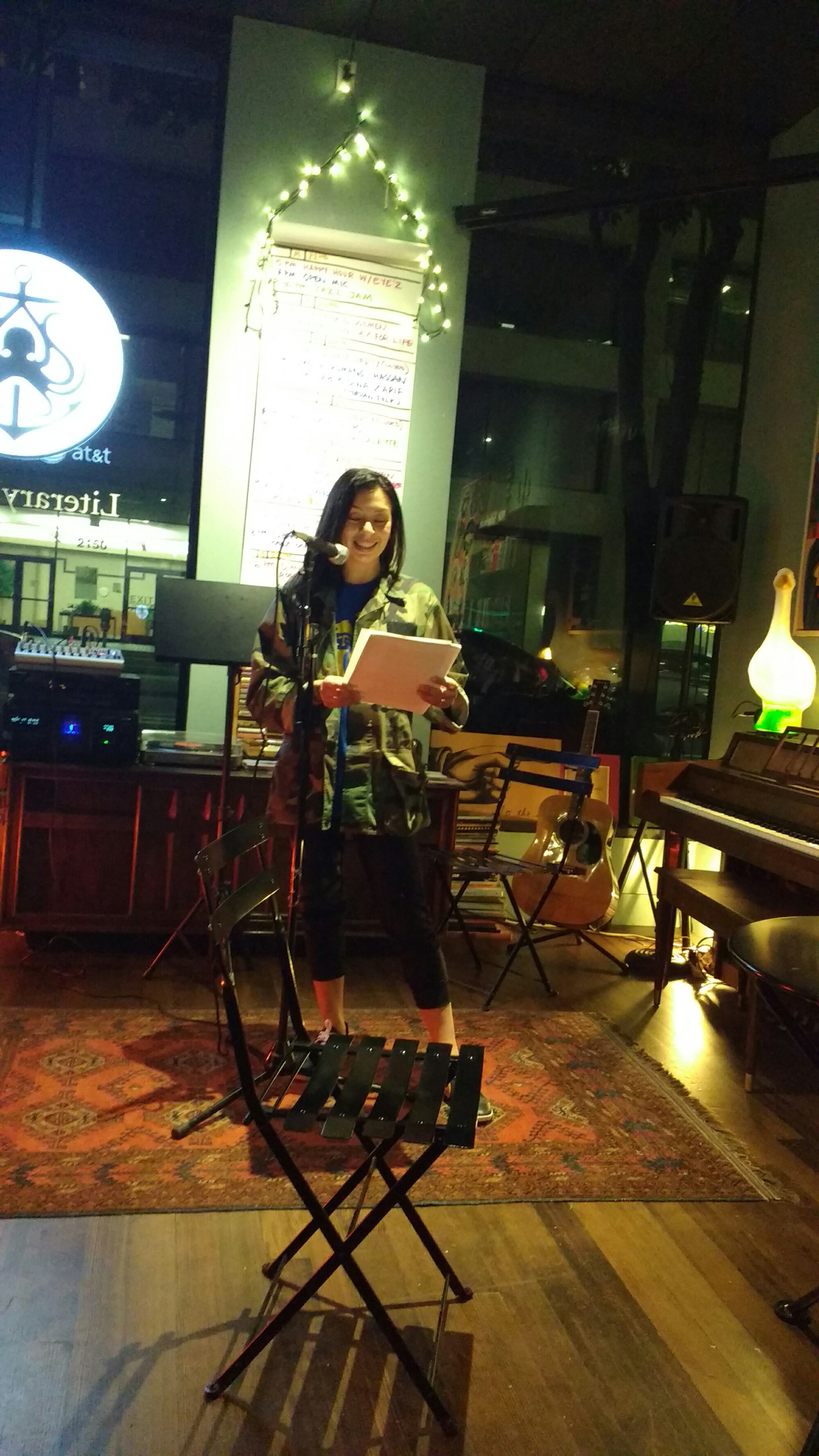
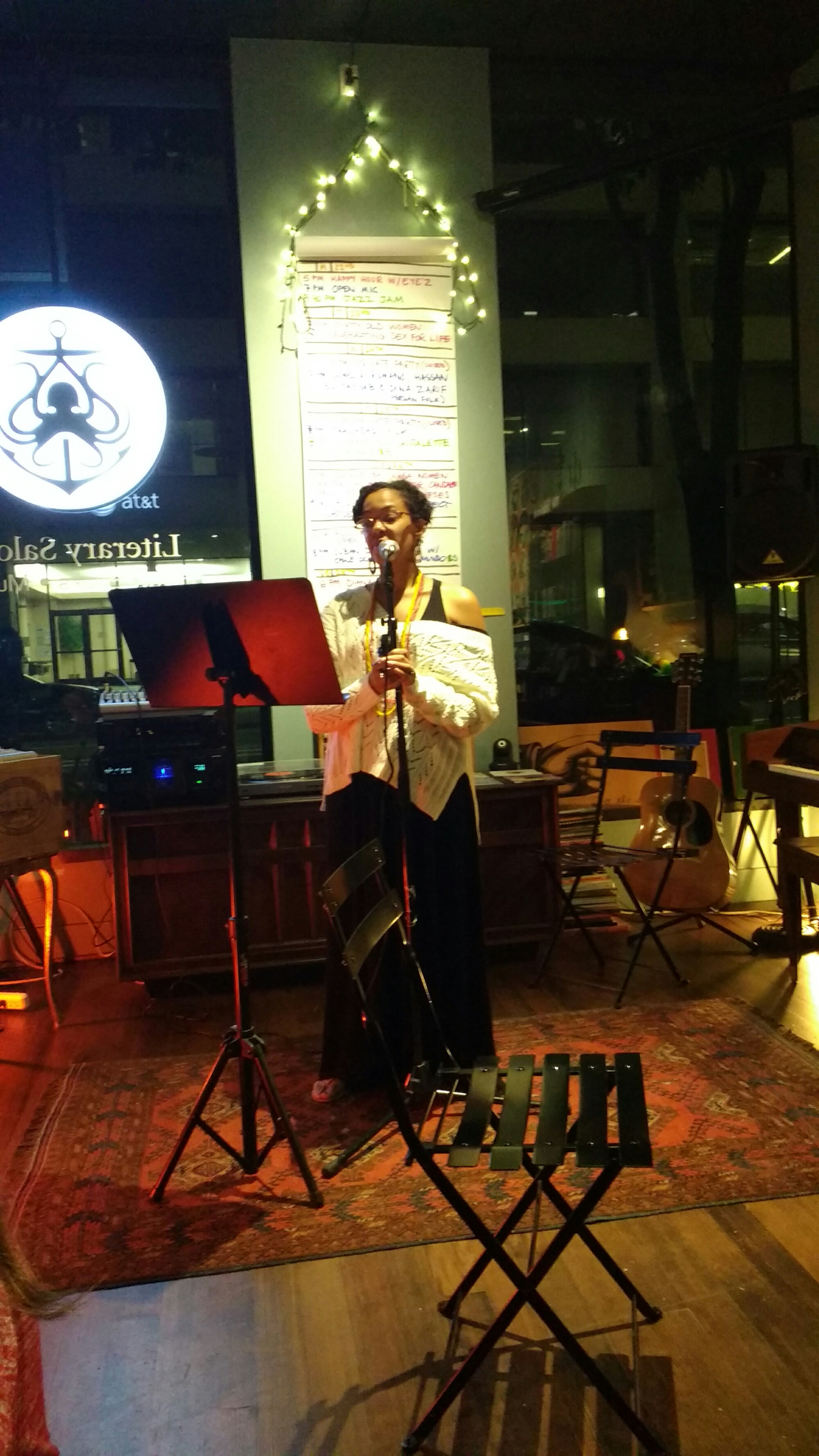
Yours truly had the great honor of reading for “Cleave: Bay Area Women Writers Series” this Friday 26 February at the beautiful space The Octopus Literary Salon in downtown Oakland, a cozy, light filled bookstore and cafe that I hope to visit soon again. Sharing work with literary luminaries Mary Volmer, Candace Eros Diaz, hosted and organized by Dr. Raina León, who followed up the reading with some challenging questions like Star Trek or Star Wars? And what does your life say about your writing? The reading proved to be an intimate family affair.

image

Candace Eros Diaz read a flash fiction piece that left the senses hungry for more as well as an excerpt from a work in progress, which kept us in suspense. I wasn’t kidding when I said I want to be Candace when I grow up. Her work cuts deep to bone.

image

Dr. Raina León, who is a sister to me, will be reading her work for the next “Cleave: Bay Area Women Writers” event at Octopus Literary Salon 15 April 7pm along with friend and colleague Tereza Kramer who’s new poetry book is coming out shortly.

image

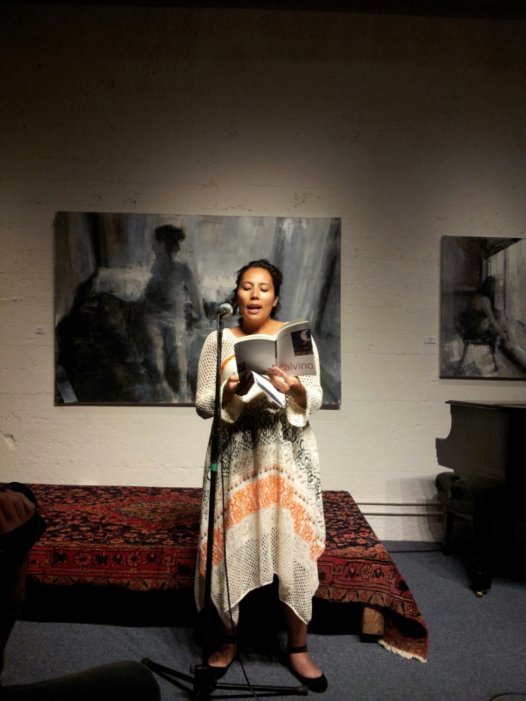
Mary Volmer, a guiding light in my constellation ever since I met her twelve years ago, read an excerpt from her soon to be released novel Reliance, published by Soho Press (May 2015). The story is gripping with characters that kick off the page.

It was a pure honor and absolute pleasure to bask in these writers radiance. Thanks to all those who came out to show support and love. XO!

Three weeks away from Octopus Literary Salon

Friday, February 26, 7pm, yours truly has the honor of reading with literary luminaries Candace Eros Diaz, Mary Volmer, and host of the event, Dr. Raina León at Octopus Literary Salon (2101 Webster St #170, Oakland, CA 94612). Please spread the love and share on your favorite social media. Consider inviting your students and any lovers of lit. Drinks and dinner are served. Hope to see you there!

Screen shot 2015-12-09 at 11.06.08 AM

A Recap: Under the Influence in North Beach, SF

image
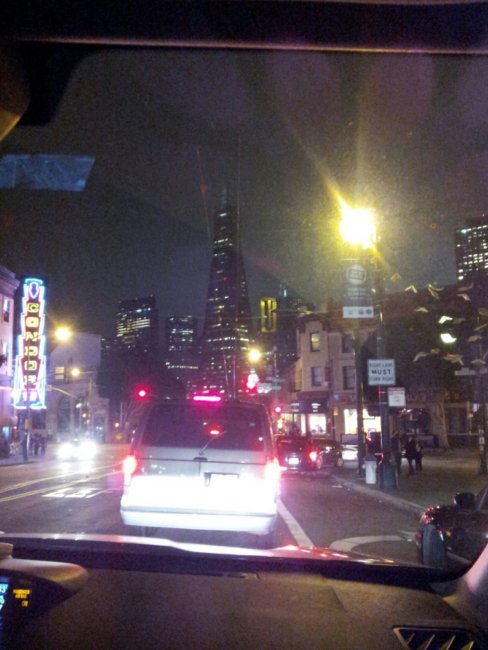
North Beach at night

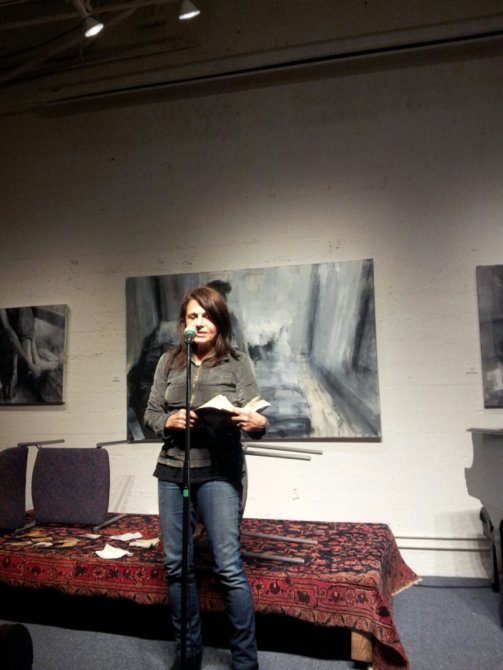
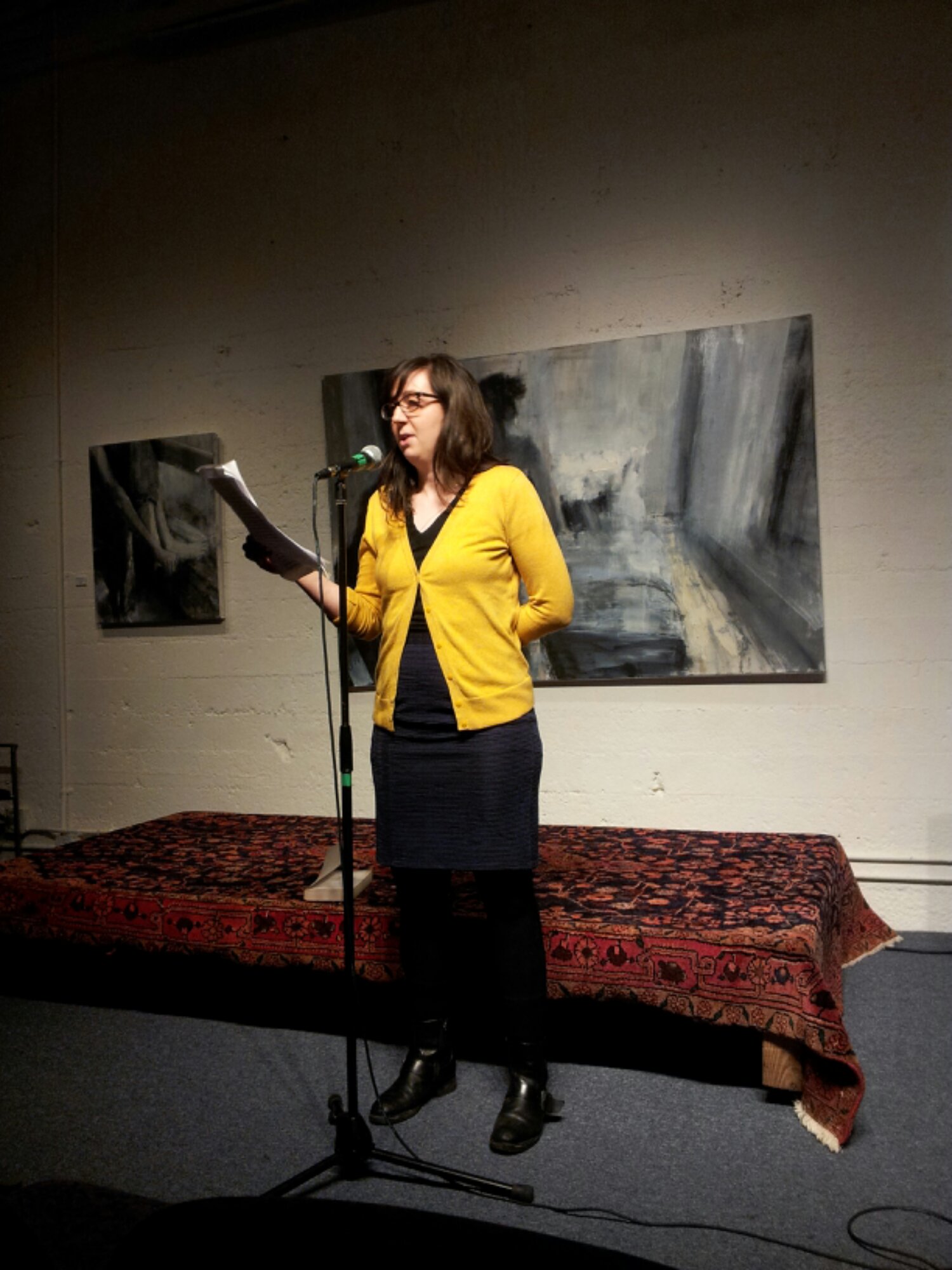
Last Thursday, 19 February, yours truly had the honor and pleasure to share inspiration and inspired work at The Emerald Tablet’s “Under the Influence” co-founded and hosted by writer Evan Karp. Tucked away in North Beach central, the venue is both a cozy and spacious spot featuring some beautifully impressive artwork by Tibor Simon-Mazula. During introductions, Karp asked the audience how many had been to The Emerald Tablet before, and out of a packed house, only one person raised their hand, so the event brought in a roomful of newbies, including myself.

image
co-founder and host Evan Karp

Tapped to read first, I dutifully followed “Under the Influence’s” ekphrastic guidelines and read completely new work, written for the evening and inspired by Italo Calvino’s Cosmicomics, Robert MacFarlane’s Wild Places (and though I didn’t mention it that evening, but also Rebecca Solnit’s A Field Guide to Getting Lost).

image
Yours truly

Since yours truly was coming down from all those butterflies after reading first, I hope I can be forgiven for failing to snap a pic of second reader Patrick Newson, who shared an excerpt from his fellow Oregonian Ken Kesey, and then dived right into some fiction with New Zealand as both background and character:  “always in the shadow of that big brother to the West…where language is only a barrier for the weak. ”

image
Thaisa Frank


Thaisa Frank had stories nestled inside stories, which was part of the spirit she channeled that evening, an 19th century writing desk. She described the writing desk as an instrument for “gentlemen of means” and explained how the desk had recently been stolen otherwise it would have been sitting on stage before us. Years ago though, her mother convinced her to buy the antique during a family trip to Brontë country. Frank spoke of how influence can cause anxiety, calling on Harold Bloom, but she found that losing the writing desk was also freeing in a sense. In the chest was her mother’s journals, which reading later after her mother had passed, she realized, despite the difficulties of their relationship, many of the entries could have been written by Frank herself.

image
Abbie Amadio

Abbie Amadio, also a fiction writer had one of the most memorable bios, admitting she was worried about technological detachment and conspiracy theories. Reading from a novel-in-progress, she channelled Bret Easton Ellis, knowing full well the kind of reaction he typically draws from readers. Amadio explained how she came to read Ellis for the night, by closing her eyes and randomly pulling a book from her shelf. Her piece was about a telephone survey collecting data for memory enhancement: “I hear my robotic voice and type Jerry P’s memory to databank and already forget it soon as its typed.”

image
Joe Stillwater and his daughter

Filmmaker Joe Stillwater and his daughter shared one of their favorite children’s author who wrote the story Moonman, Frank Ungerer. They showed pictures of Moonman looking down on Earth and getting jealous of all the people having fun. So Moonman crashes onto Earth and gets arrested but because he’s a moon he can slim himself down during his phase to escape.

The father-daughter reading gave yours truly an idea, and now I’m hoping to host lit events where writers with kids bring their kids to read a story or share a piece of art that influences both parent and child, and then a parent reads his or her work. We’ll see if we can get this in the mix.

image
Driving back to East Bay

Always a treat to be out and about inspired by local artists and by local environs. Thanks “Under the Influence” for this artistic drunken affair! To see how it all went down, check out the video here:


Upcoming Reading at Orinda Books

Orinda Books Reading November 2014

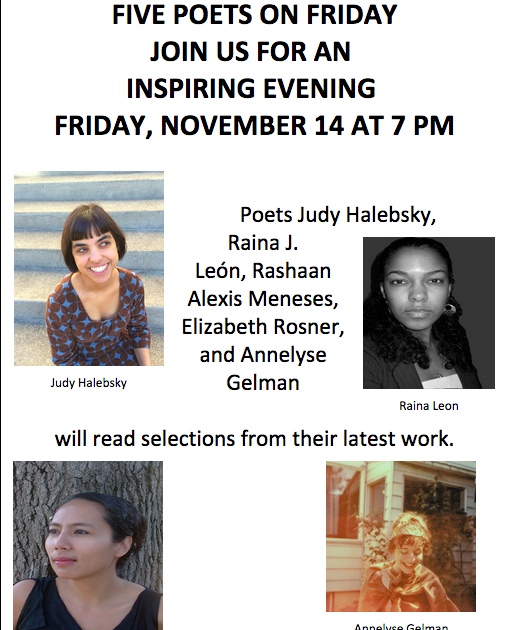
Organized by the amazing Dr. Raina León, yours truly will be reading alongside Raina León, Judy Halebsky, Elizabeth Rosner, and Annelyse Gelman. Please join us for an evening of literary pleasure on Friday 14 November, 7pm at Orinda Books (276 Village Square, Orinda, CA 94563).

Please consider sharing the love, and forward through your social media of choice to students and all lovers of lit.

Hope to see you and yours there!