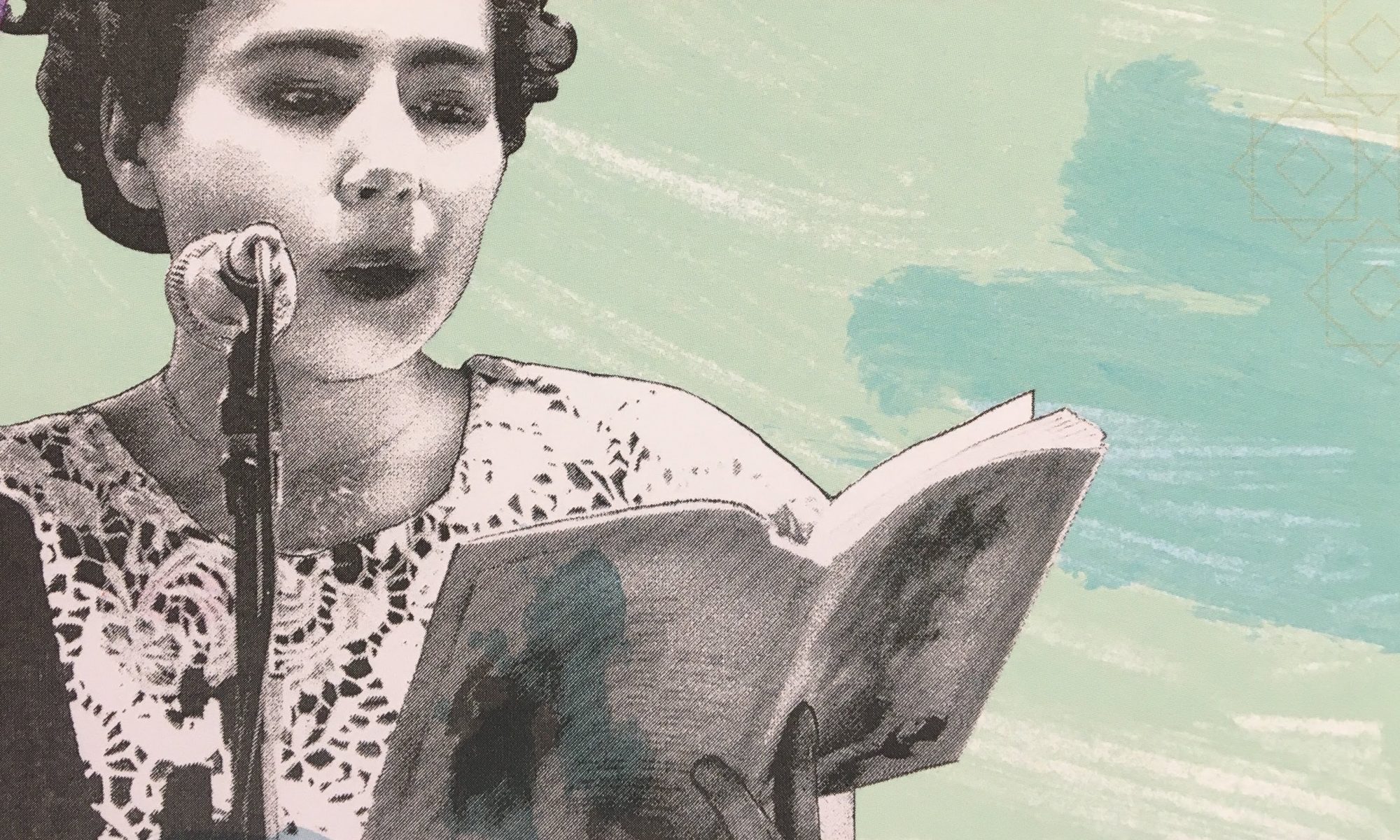
Professor Dawn Bohulano Mabalon Honors Visayan Roots

Professor Dawn Bohulano Mabalon from San Francisco State University shares family stories and a Visayan favorite, binangkal, which my grandma and grandpa loved to make and share for breakfast with a nice cup of coffee. Just because the holidays are over doesn’t mean we can’t keep sharing good times with family & food.

From Our Own Voice, published December 2011, “Bohulano Family Binangkal”:

Several friends, many of them second and third generation with roots in the Visayas, reacted quickly and rapturously to my binangkal photo, thrilled that Facebook love had been given to an obscure regional treat beloved across the Visayas and wherever in the world Visayans settled. My writer friend Rashaan Alexis Meneses posted: “My grandpa used to make these! Sob.”…Binangkal is a sesame-covered baking powder donut, deep fried until crisp and brown on the outside and pillowy on the inside. When made well, its surface is craggy, brown and caramelized from the hot oil, its insides moist and fluffy. A popular snack in Cebu and the Visayas, it has look-alikes in Chinese dim sum restaurants and bakeries, which is a clue that binangkal may have some Chinese influence.

Read entire article here and have a go at the recipe to bring a taste of sweet memories into your kitchen.
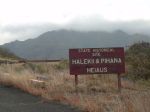
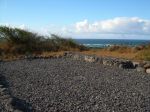
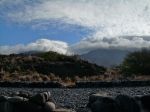
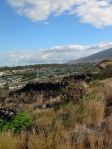
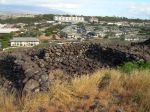
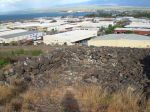
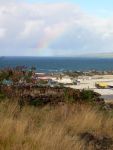
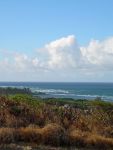
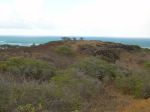
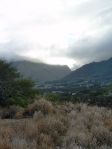
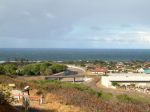
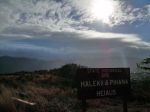
Haleki’i and Pihana Heiau State Historical Sites, Maui, July 2010

Wrapping up the visit to Maui, which can’t be concluded without a nod to our favorite Maui finds:

  • At Mana Foods of Pai’a, we seemed to stop here daily for groceries. They carried an exceptional brand of Maui made smoked paprika hummus. Both local and organic, the prices are decent and the fare exceptionally delicious.
  • Cane and Taro in Lahaina’s Whaler’s Village was surprisingly tasty for such a popular tourist spot. The Hawaiian Swordfish was perfectly cooked, dressed with a simple ginger butter sauce that left the fish naked enough to stand up on its own flavor and meatiness.
  • CJ’s offered the best mixed plate in Kaanapali, including mango-glazed short ribs, outstanding kalua pork and mahi mahi, as well as deliciously sweet and sour pineapple coleslaw.
  • In Haiku, Hana Hou’s chop steak, sauteed with garlic and onions, served with a side of macaroni salad and steamed rice, featured Maui Cattle Company’s tasty and local beef. Elegant yet casual with slightly upscale local fare, banana groves and roaming chicken make a perfectly authentic upcountry dining spot.
  • Our favorite eats by far was Pai’a’s Fish Market. Their ahi burger, washed down with Maui Brewing Company’s Coconut Porter, so absolutely divine, makes me want to cry because I don’t know when I can taste paradise again.
  • This trip couldn’t have been possible without the savvy advice from Vince and Vangie Meneses, Jake Sanders, and Andrew Doughty’s indispensable Maui Revealed: The Ultimate Guidebook.

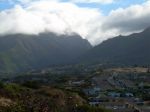
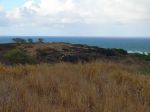
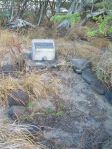
The last hours of Maui were spent on sacred grounds at the Haleki’i and Pihana Heiau State Monuments, just outside of Wailuku, which served as religious ceremonial site and home to Hawaii’s chiefs and high-ranking officers. The following information on the sites are referenced from Hawaii Web and Maui’s Historical Society writer Lyons Kapi’ioho Naone III, who is highly respected as a Hawaiian healing practitioner. The hallowed land featured below offered the perfect chance to contemplate our visit in silence and beauty. Until next time, Maui. Mahalo!