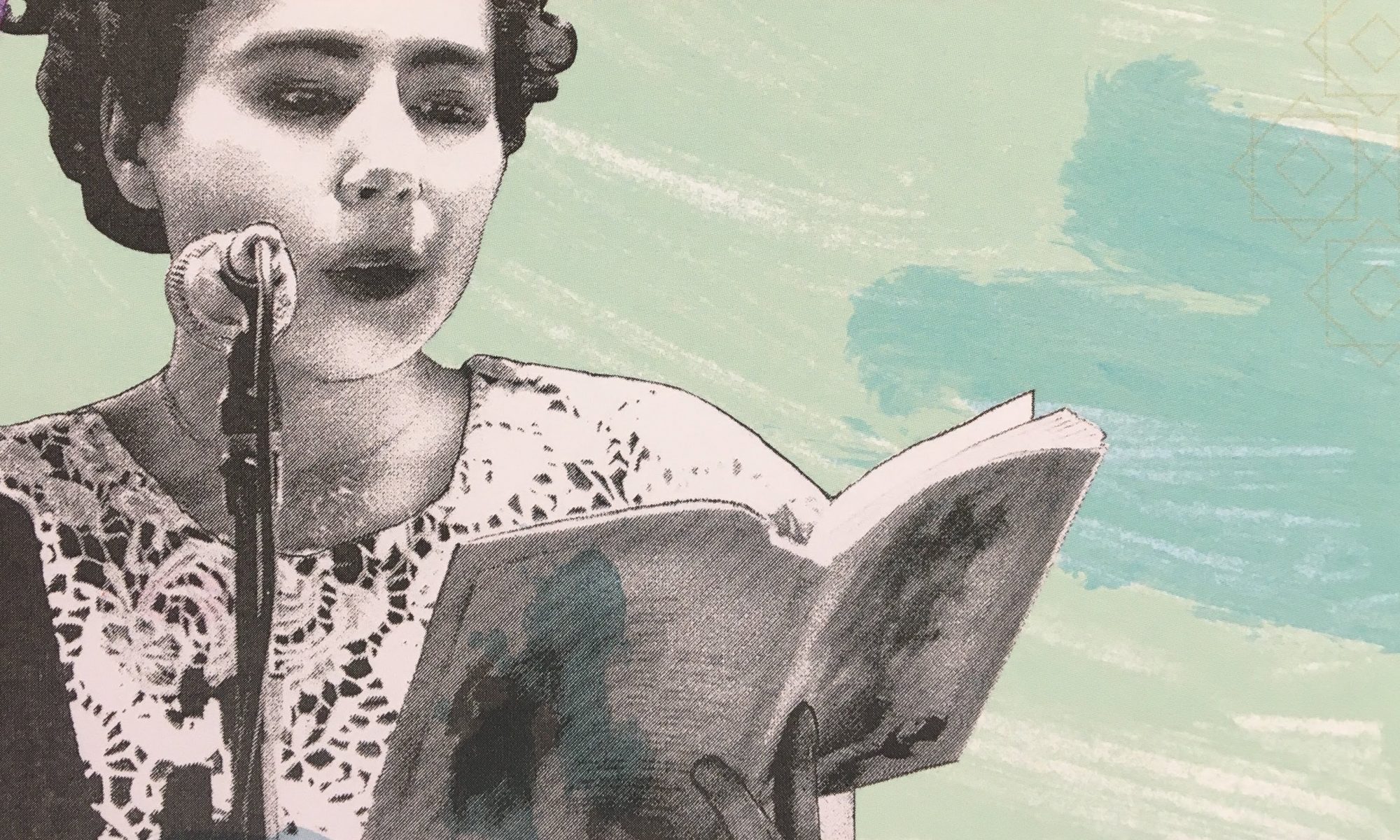
Over ten years in the making, after hundreds of revisions and countless reincarnations, my short story, “With Hummingbird in Hand,” will finally see the light of day thanks to the editors at the Australian-based journal Kurungabaa.
Here’s an excerpt:
The oil in the deep fryer bubbled and cracked as Yesenia and Claudia orchestrated the breakfast shift. Parked in a littered alley next to a super-sized Home Depot in a ragged quarter of East Hollywood, Yesenia’s mobile kitchen, Mariscos de Madrugada, served as a beacon for over-worked souls who scrambled through gridlock, measuring their lives by paychecks and commutes. Outside their kitchen, police sirens blared, cars backfired, and horns honked. The mariachis they hired to entertain their hungry customers played at the curbside. The trim of their charro outfits gleamed in the early morning sun as the rush of orders kept coming.
Check out the original announcement on Kurungabaa’s website, where you can pick up a copy for yourself.
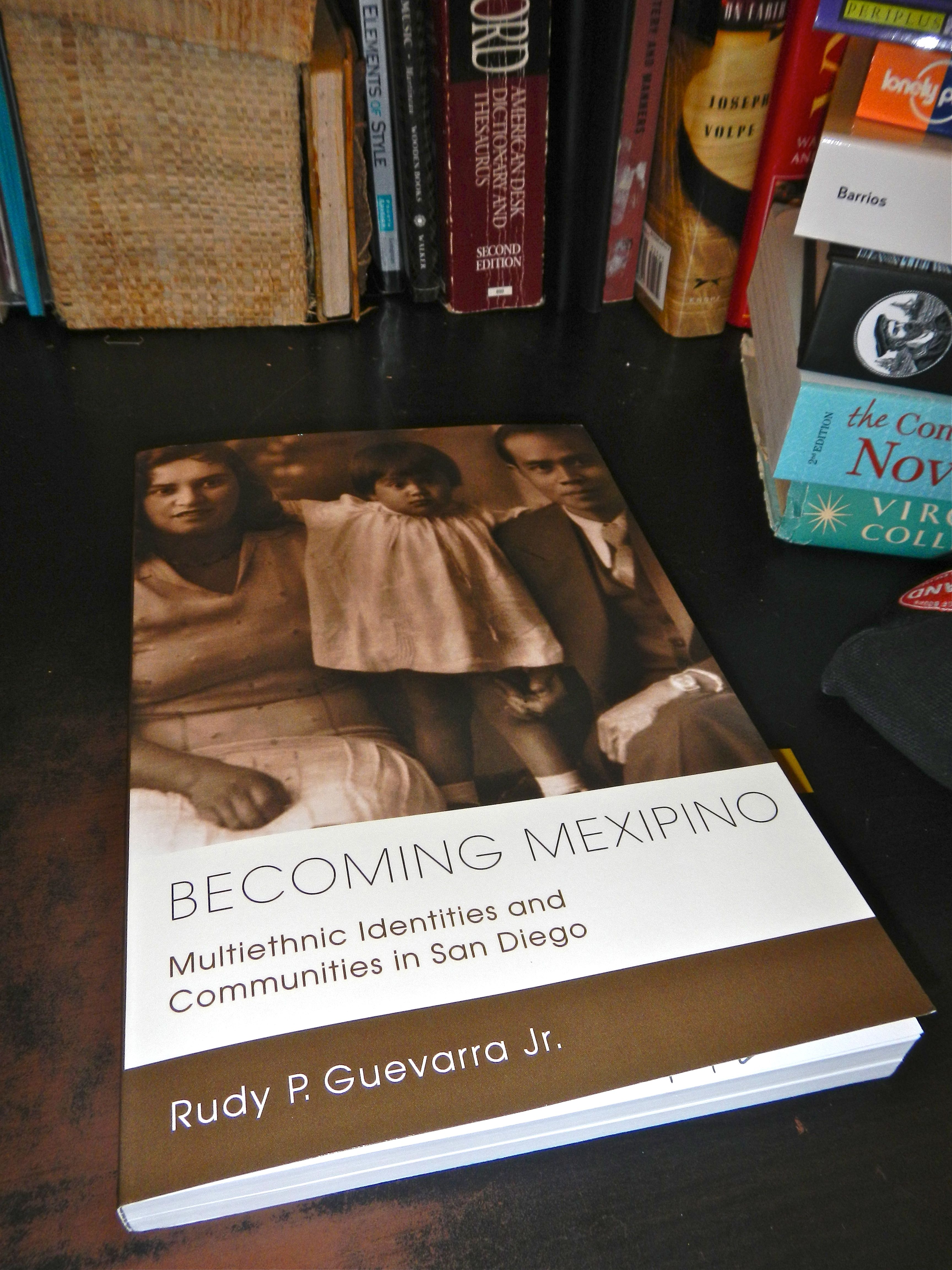
Just got my signed copy of Becoming Mexipino: Multiethnic Identities and Communities in San Diegowritten by Dr. Rudy P Guevarra Jr. (Arizona State University) and published by Rutgers University Press. I remember when Dr. Guevarra and I first met at a FANHS (Filipino American National Historical Society) conference in San Diego years ago. We compared notes about being Mexipino or Chicapina, as my family calls us, and, later at UCLA, I would share my stories with him officially for the honor and privilege of being included in his book.
Here’s an excerpt:
Rashaan and other Mexipinos in San Diego are the bridges between both cultures because they live a multicultural existence. Multiethnic and multiracial people have already experienced an alternative worldview, which has positive implications. She described it in terms of the future of racial and ethnic mixing: ‘I think it is inevitable…Time magazine put up all the races of together to see what it [hypothetical person of the future] would look like, and it looked Filipino. You know, it’s like we’re already there, we’ve been there. We’re just bringing it to the forefront (158)
Becoming Mexipino is a social-historical interpretation of two ethnic groups, one Mexican, the other Filipino whose paths led both to San Diego, California. Using archival sources, oral histories, newspapers and personal collections and photographs, Rudy P. Guevarra Jr. traces the earliest interactions of both groups with Spanish colonialism to illustrate how these historical ties and cultural bonds laid the foundation for what would become close interethnic relationships and communities in twentieth century San Diego as well as in other locales throughout California and the Pacific West Coast.
Educators, please consider using this text in your classroom. California history lovers, ethnic study researchers, and San Diego locals, why not pick up a copy for yourself? Please help spread the word to interested parties and consider having a go yourself!
Fall 2012 has landed with a whole new set of classes to teach and fresh students to guide this semester. In addition to leading a freshman cohort, I’m looking forward to reading the anthology Re-reading America, Jonathan Kozol’s Shame of the Nation, and David Shipler’s The Working Poor for L&CS 121: Culture and Civic Responsibility along with helping to steer seniors toward strong portfolios and presentations for L&CS 124: Senior Assessment & Portfolio. Should anyone have suggestions on exercises and documentaries to cover this year’s presidential election, by all means, please send them my way. November 4, 2012 will be a spotlighted in L&CS 121. Here’s hoping for a good head-smacking academic year with lots of a-ha moments for the students and myself.
Here’s the course descriptions to pique your interest:
Welcome! This class is designed to help you, as a newly minted college professional, become effective agents by prompting how to ask good questions, how to practice life-long learning, and, finally, to increase the capacity to take charge of your own academic career. Consider this a strength-training course to strengthen your critical skills and support you in your transition to college life, combining class discussions with co-curricular activities, and a variety of workshops so you may achieve your highest potential. You will be provided with access to a faculty and academic advisor, who will serve as a resource and mentor to guide you through the many learning and living experiences at Saint Mary’s. Consider your faculty advisor as a physical therapist, here to ensure you are fit and toned for your college profession. I look forward to learning and training with each of you.
Liberal & Civic Studies 121: Culture & Civic Responsibility
Course Description
Welcome to L&CS 121, the first of five Liberal and Civic Studies courses that together comprise the core experience for students pursuing this program of studies. Within the broad framework of culture and civic responsibility, this course introduces you to the seven central emphases and themes of the Liberal and Civic Studies Program: 1) Service-Learning, 2) the Arts, 3) Diversity, 4) Ideas from the Great Conversation, 5) Critical Thinking, 6) Integrative Thinking and 7) Self-Assessment. (NOTE: These themes and emphases are explained in the introductory pages of your Guide to the Liberal and Civic Studies Program.) In addition, the course gives special emphasis to the theme of American society and culture—its roots, development, nature and impact. Throughout the course, we will explore possible answers to the question: Can we create here in America the kind of “Beloved Community” envisioned by Dr. Martin Luther King?
Liberal and Civic Studies 124/100 Fall 2012 – Senior Assessment & Portfolio
Course Description
Welcome to L&CS 124, and congratulations on entering your senior year! This course is a wonderful opportunity to reflect on what you have learned & experienced, and how you have grown over the course of your L&CS education. As an interdisciplinary program that seeks to educate the whole person, and strives to develop self-awareness, ethical values, and habits of social responsibility, it is important for our students that they have time to assess their development.
If you are nominated, you’ve been awarded the Versatile Blogger award. [Though not obligated to, if you want to respond in kind you can do the following.] Thank the person who gave you this award. That’s common courtesy. Include a link to their blog. Select 15 blogs/bloggers that you’ve recently discovered or follow regularly. Nominate those 15 bloggers for the Versatile Blogger Award — you might include a link to this site. Finally, tell the person who nominated you 7 things about yourself.
In the spirit of the award, I nominate the following blogs (listed in no particular order), which embody excellence in creativity; dedication to individual passions, such as writing, education, or living life with integrity; as well as demonstration of strong digital citizenship:
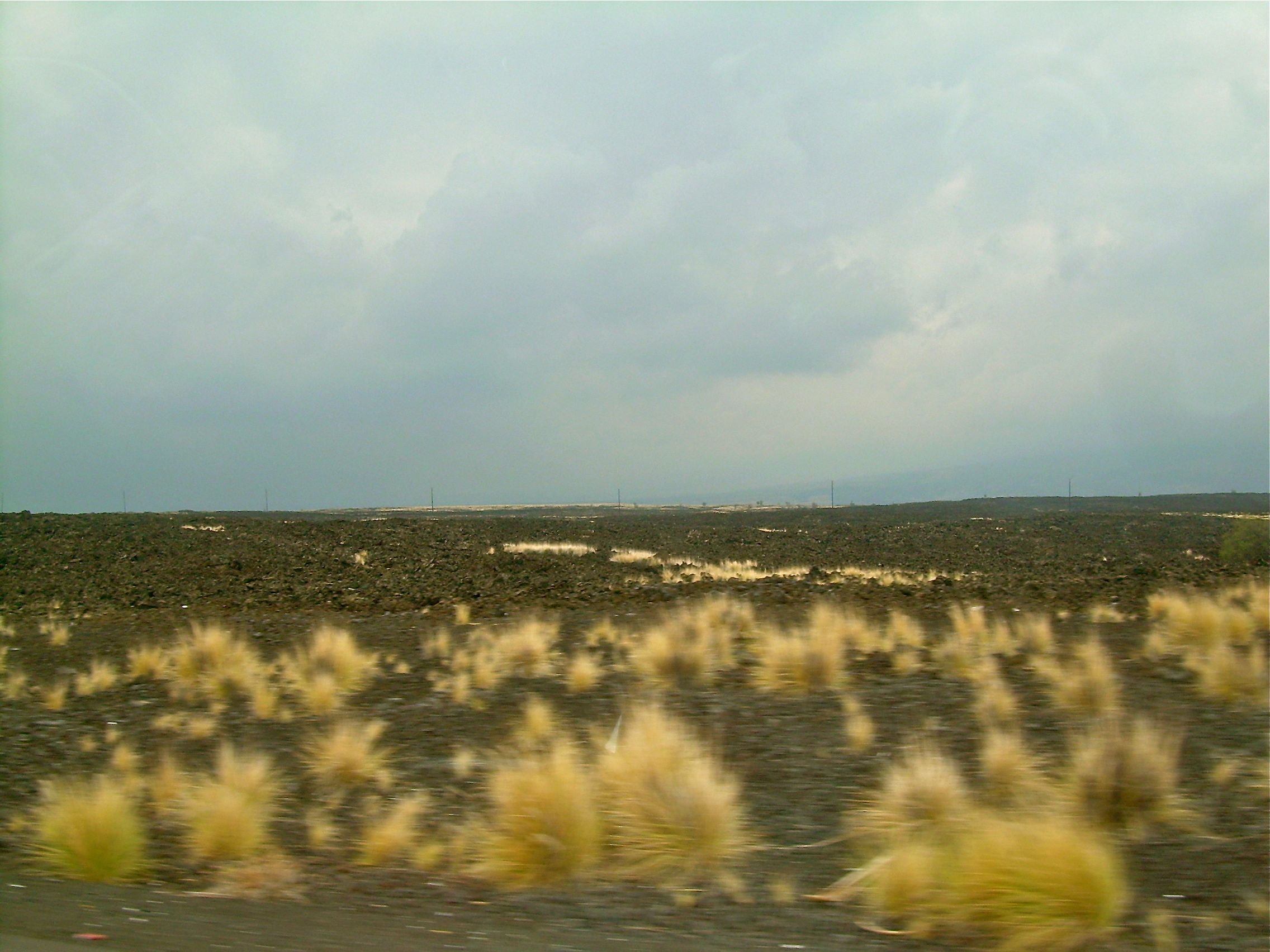
The drive from Kona to Hilo/Volcano on the Big Island is a long stretch of country highway. The first leg winds through a volcanic moonscape. You’re surrounded by endless lava flows with a slice of ocean to your left. Along the Mamaloa Highway, we spotted three wild goats huddled together, posing for the sun. As you head makua, climbing the mountain slopes, the land changes on you, growing green and thick. Suddenly you find yourself in cattle country, and nothing works up an appetite more than sight-seeing ranches.
We stopped for lunch at the Hawaiian Style Cafe in Kamuela, which has blown all other mom & pop lunch plate diners out of the water. They’re special, kalua pork moco loco is enough to feed a family. It’s big flavor for big country. If you’re on the Big Island, there’s no point in visiting without stopping here. Really.
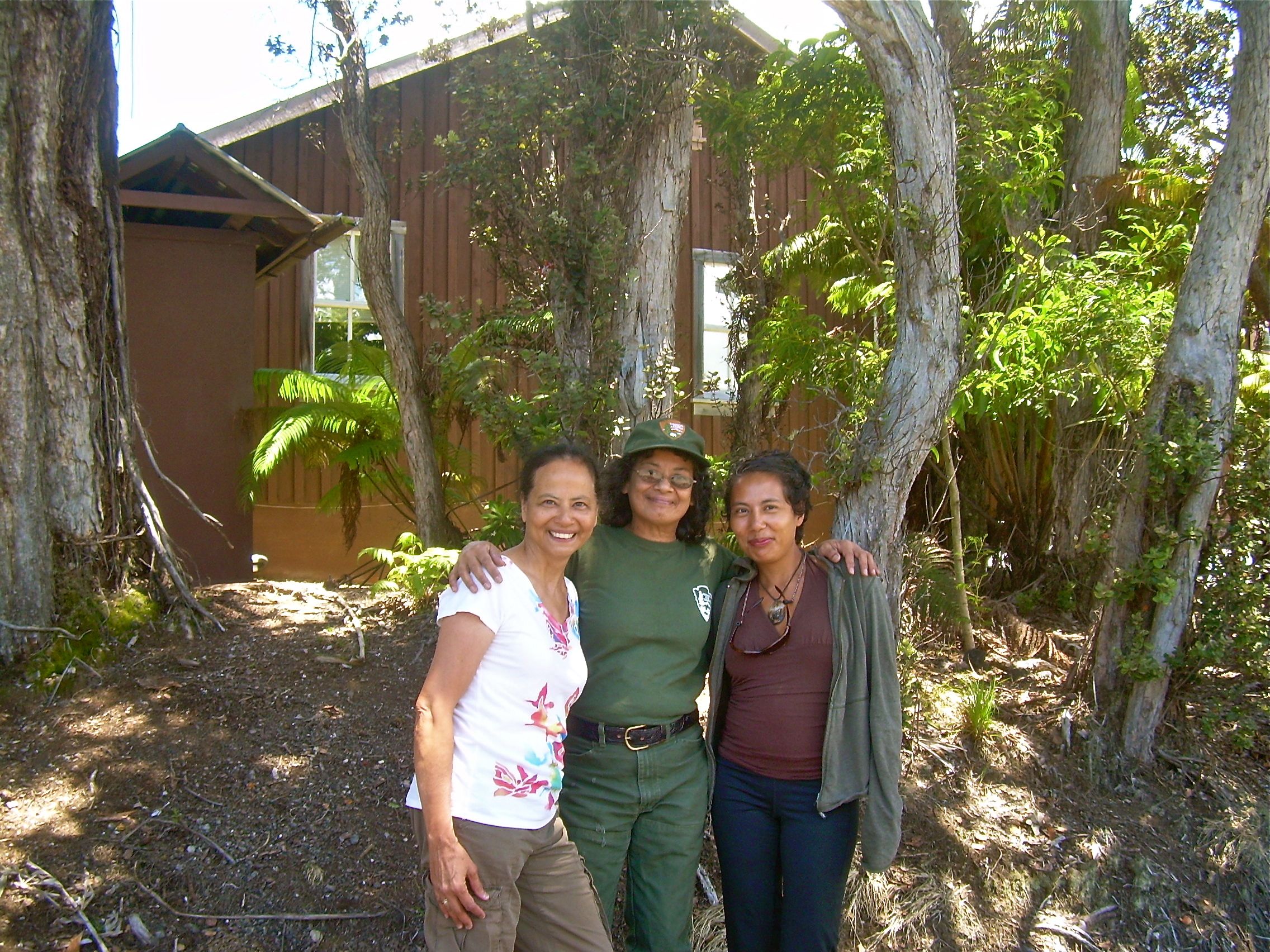
me and my aunties
Our real purpose and mission on the island of Hawai’i was to visit near and dear family. With two lovely aunts who live in and near Volcanoes National Park, and cousins who used to be Big Islanders, its really embarrassing to say we hadn’t been here before. Under the directive of our cousins, soon as we pulled into the little town of Honoka’a, we picked up a box of malasadas at Tex Drive In, who specialize in chocolate, lilikoi, strawberry, mango, and cherry filled malasadas. They are sweet doughy pillows of goodness though, again, nothing compares to Kauai’i Bakery in Lihue. Just sayin’.
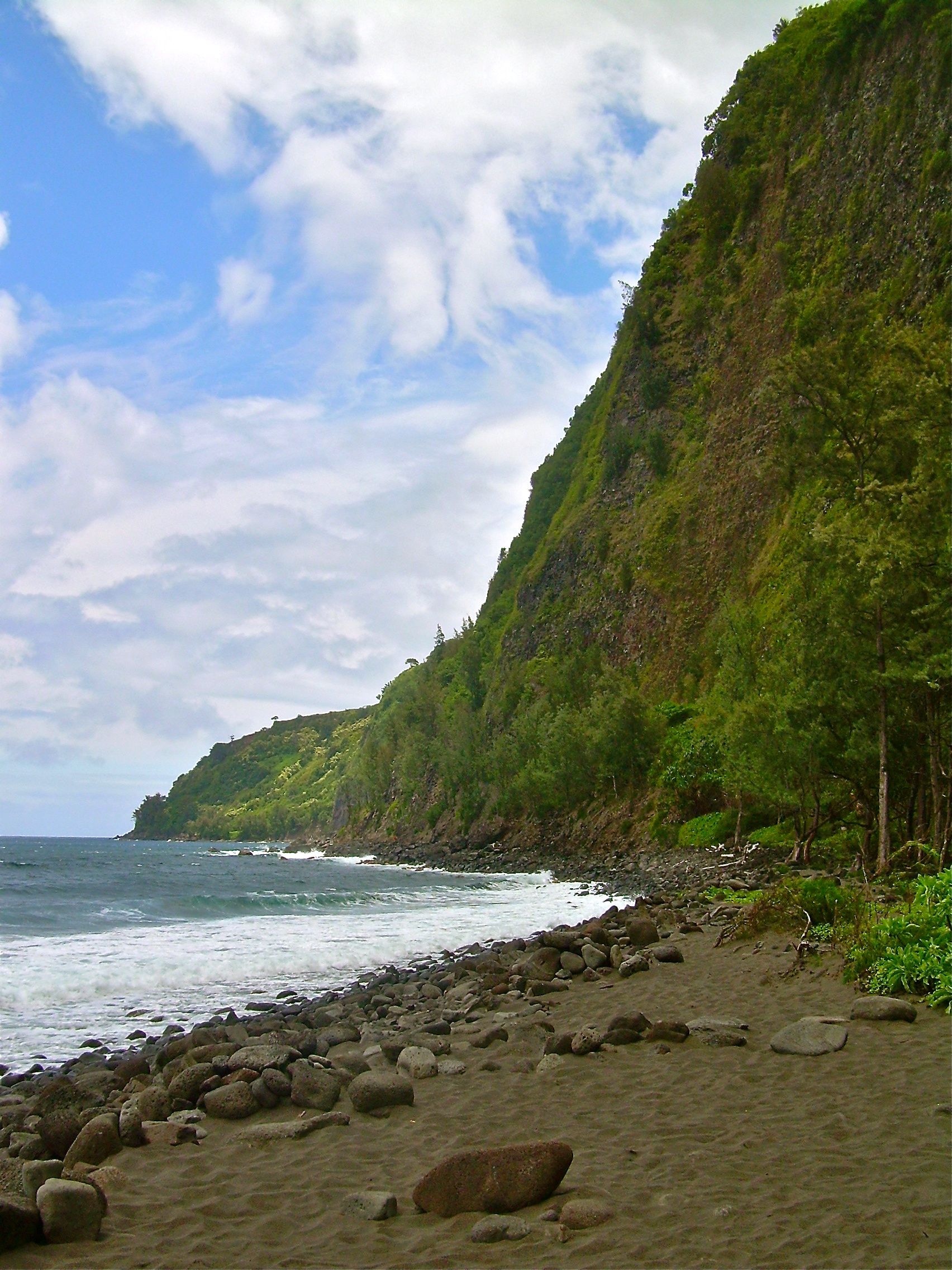
We dropped down to Waipio Valley next, and when we say drop, we literally mean “drop.” The road to Waipio is steep, poorly paved, and full of twists and turns. In fact, its the U.S.’ longest, twistiest road, and you won’t, probably can’t, attempt it unless you have four wheel drive because even after you survive the wicked incline, you still have to face some monster pools of muddy water at the bottom to get to the beach. Technically, the park signs warn that visitors aren’t allowed into the valley unless they’ve been invited, but we figure with so many local family urging us to check it out, its invitation enough. The valley, like most lush, fresh-water filled hollows in Hawai’i was basically a metropolitan for the Hawaiians. There are many sacred sites to ponder and taro farms still thriving to this day. Tread this beautiful land with respect and care.
Before climbing up the volcano, we headed into Hilo to hunt for the ever elusive Tropical Dreams Ice Cream shop, which is supposed to have the best shaved ice on the island according to our trusted guide Hawai’i Big Island Revealed. We don’t go to the Hawai’i without the aid of Andrew Dougherty. Unfortunately, Hilo’s Tropical Dream had been converted into a center for Krishna devotees. Once we arrived at the address, we found a circle of dread-locked singers chanting praises to Krishna and shaking their tambourines. No frozen treats but plenty of samādhi to go around.
We stayed at Bamboo Orchid Cottages, a clean, cozy, and friendly B&B in Volcano. Our room had a little patio that overlooked the tropically wild backyard. Our hosts were friendly dog-lovers, who made a deliciously simply breakfast of fresh papaya boats filled with golden pineapple, dried coconut, and yogurt.
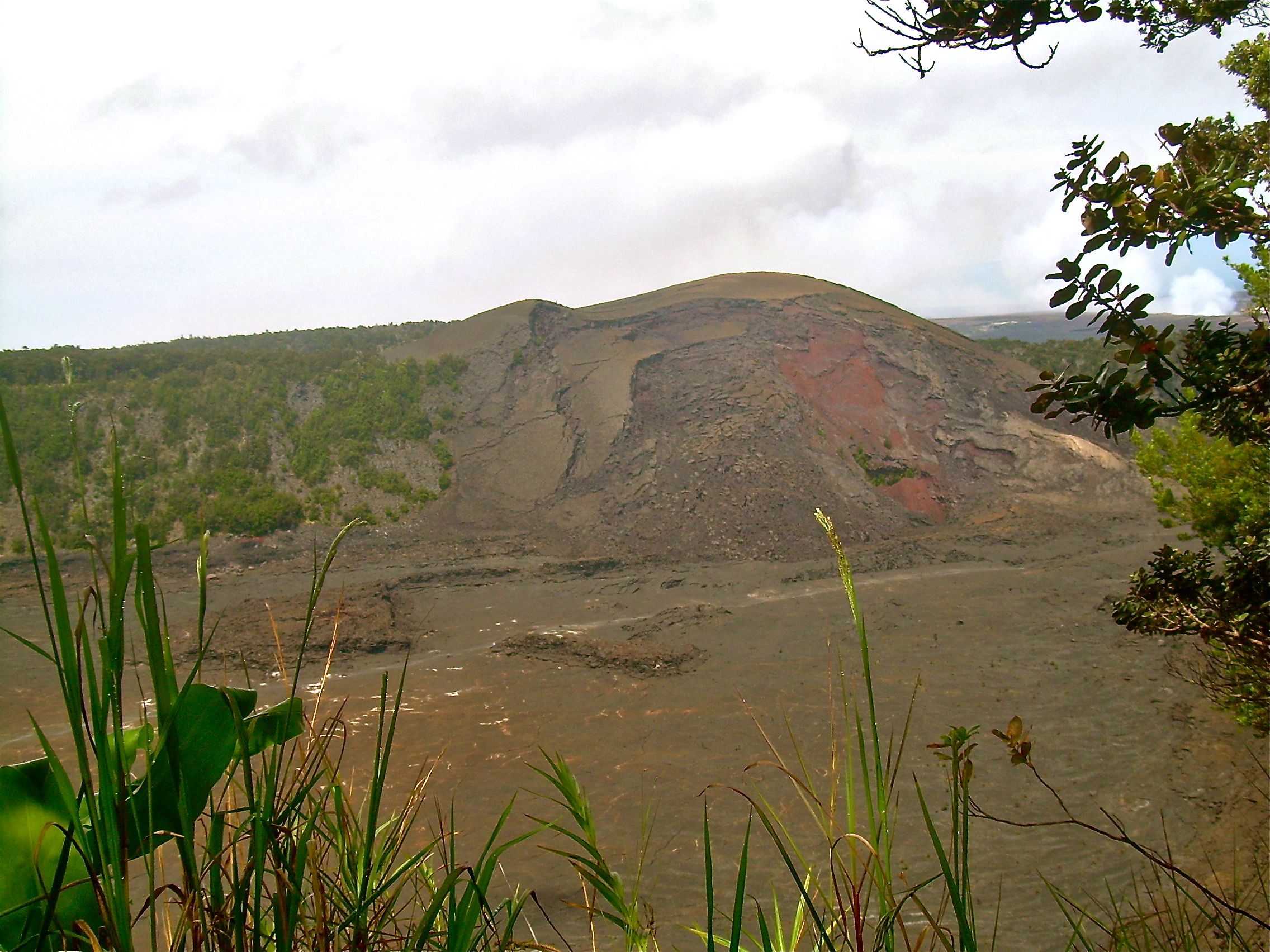
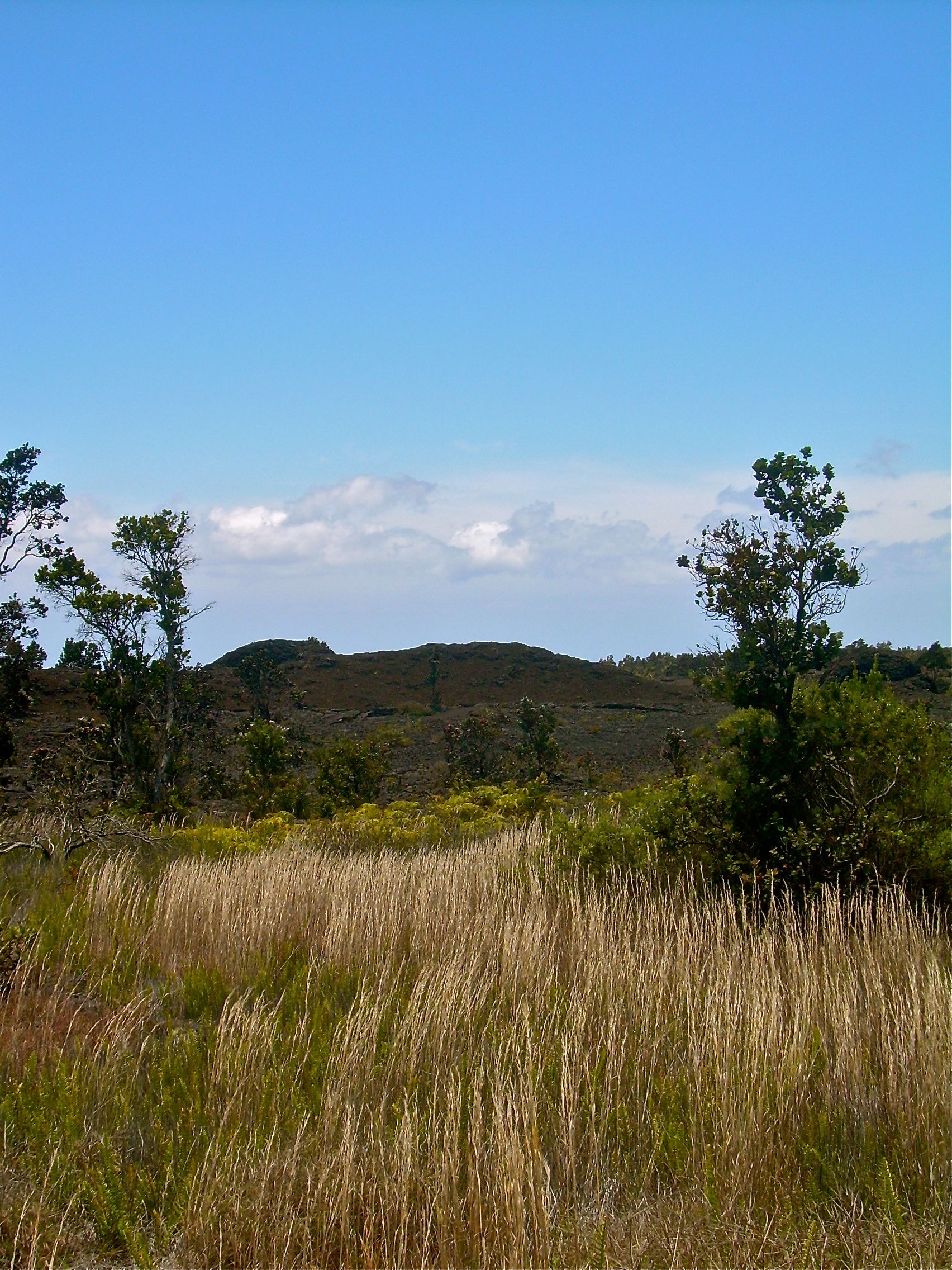
The Kilauea Iki Trail in Volcanoes National Park is part of the Kilauea volcano formed in 1959 (yes, the same year when Morrissey was born!). The crater’s rim, lush, filled with wild ginger and ferns, book ends this trail. Riddled with deep cracks and fissures, the crater, like the rest of the Big Island, is a lunar landscape filled with volcanic rocks and formations. This trail ends at the Thurston Lava Tube, so you get to see the inner workings of a lava flow.
Never in my life did I ever think I’d see an active volcano, especially at night with a sky full of constellations wheeling above. Like a massive campfire, the Kilauea plume mesmerizes in the evening dark. Though the wind blows chilly, seeing this spectacular phenomenon reaches back to primordial existence.
We couldn’t have asked for better guides to the Volcano, my aunt who works at Volcano’s elementary school and her partner, a former educator and local. They met us for breakfast at the Kilauea Lodge, which serves guava and taro pancakes and some tasty eggs benedict. The Lodge also has an impressive gift shop, and the restaurant features all local artists’ work. When we were there, halfway through our breakfast, a mighty wind storm cut the power lines, which made for a real adventure.
Lucky enough to get a glimpse of local life, my aunt took us to her ukelele group’s potluck hosted by a wonderful couple who share a rich history on the Hawaiian islands. The uke group, comprised of thirty players, not only made some mean BBQ, macaroni salad, coffee cake and chocolate brownies, but hearing them play was an extra special treat.
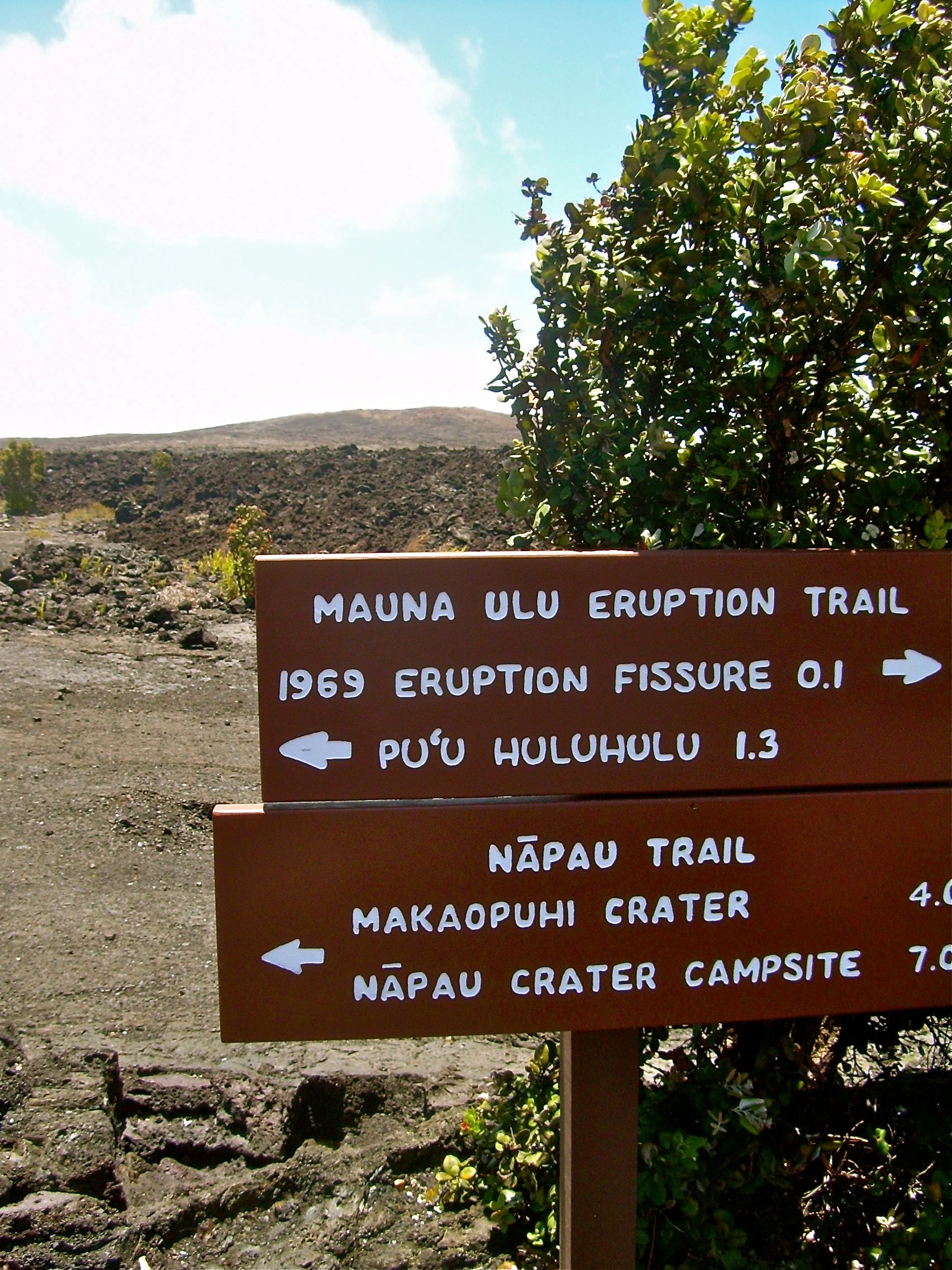
Our guides took us on the Chain of Craters drive, which follows the different lava flows of the volcano reaching all the way down to the coast, where the lava continues to gently build earth. Honestly, you could spend weeks or months exploring all the different sites, trekking the many hikes offered on this road, but some of the highlights are the Lava Tree Formations, Devil’s Throat, a spectacularly dangerous crater that is not for the foolish or weak at heart, and the Pu’u Loa Petroglyphs. The hike to this plateau that contains about 20,000 petroglyphs is scorched by the sun and chafed by the wind, but well worth the effort since you get to meander and mull over an ancient place where native Hawaiians made offerings to the legacy of their family and their homeland.
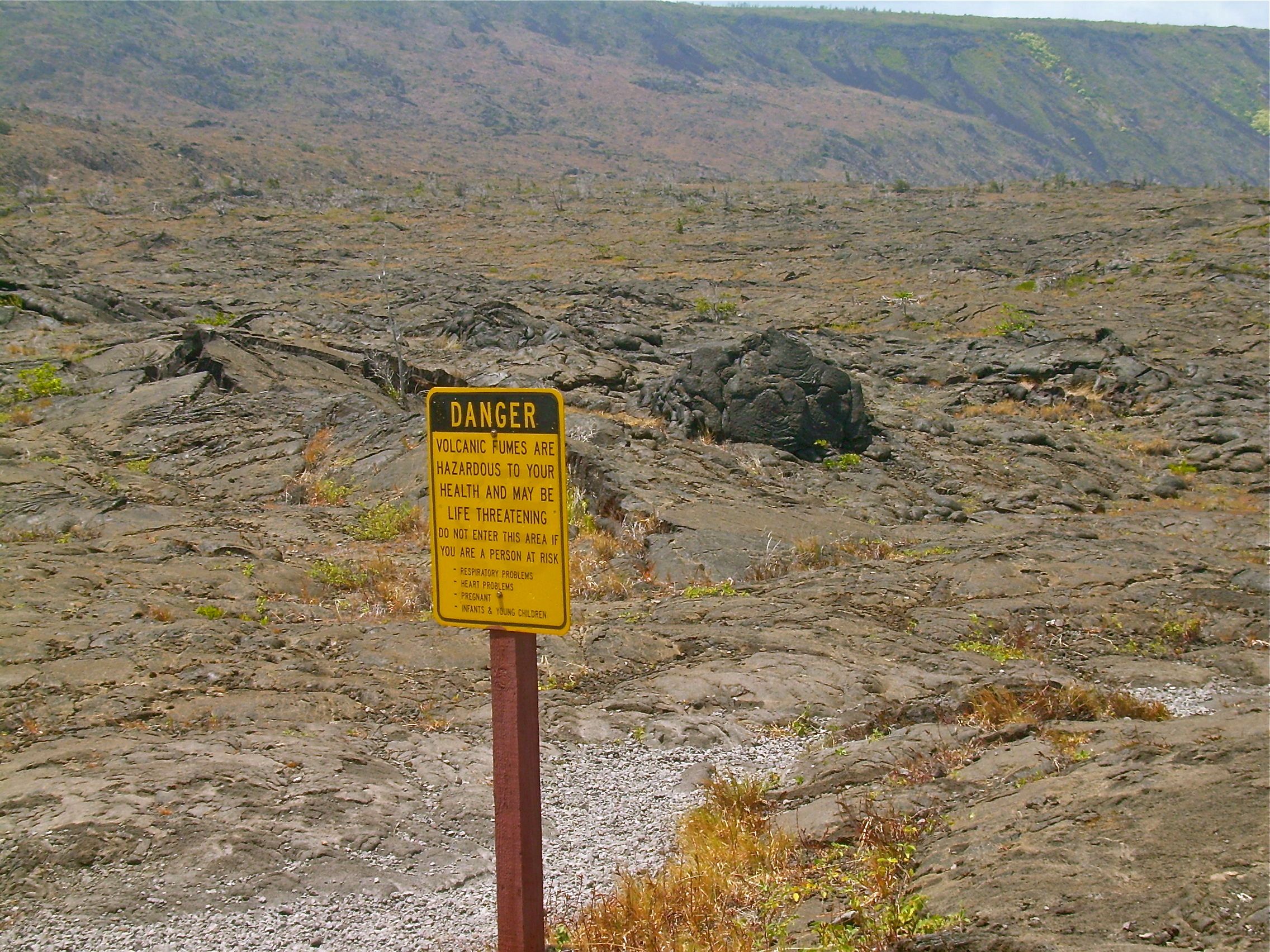
The end of the road leads to Holei Sea Arch, where the coast clashes against a wall of lava, and, if you hoof it, about 11 miles, you meet with an active flow. Despite the ocean raging just below the cliffs, it can feel like you’re walking through a furnace, a strange sensation.
Later that evening, we enjoyed the special treat of meeting with my nina, who works for the National Park, in her hometown Pahoa, which must be the sister city of Berkeley, at least in spirit, since there’s a raw earthiness to this funky place.
As expected, time flew by, and we wish we could have enjoyed more days with family in this mystical spot. Ever grateful for the chance to explore and eager to visit again, soon, big thanks Auntie L, Auntie M, and Uncle G, who served as our Virgils on this otherworldly journey. Much appreciation to our cousins T&M who shared their great knowledge of their island, and ever grateful to Vince & Vangie for their sage counsel on this trip.
Here’s our official “Next Time Wish List,” which we hope we can tackle someday soon:
Akaka Falls (Volcano/Hilo)
Hilo and Puna sights (tide pools/waterfalls/towns)
Blaine’s (Volcano)
Hilo Farmer’s Market ~ Saturdays & Wednesdays
Maku’u Farmer’s Market ~ Sundays…towards Pahoa
Kona
Pawai Bay- snorkeling (Kona)
Golden Pools of Ke-awa-i
Along with cousins’ suggestions for next time. Thanks T!:
Flea market downtown on Wednesdays and Saturdays, lots of good snacks and a good day to visit Old Hilo Bayfront. Be sure to take a look in Dragon Mama, its a Japanese textile shop, mad handmade goods.
While all the other islands in the chain are shrinking the Big Island, named Hawai’i but called the Big Island to avoid confusion, is growing, and evidence of its continual expansion is all around you, especially when you realize you have to drive three hours to get from one end of the island, Kona-Kailua to the other, Hilo. Both of these cities will remind you of something like San Diego or Honolulu, compared to the small towns of Kapa’a, Kaua’i or even Maui’s Lahaina. We’re talking big and built up. The locals were excited to have a Pier One Imports opening in Kona. Pier One Imports! Compared to the older islands, the baby of the archipelago is quite a shock to the senses if you’ve just spent time in slow paced Koloa or stepped out of the jungles of Hana.
We stayed at the Kamehameha Courtyard Marriott right at the corner of Kona Beach, and in the thick of downtown Kona. If you’ve ever been to Pacific Beach in San Diego or Weymouth in South England, you might find Kona-Kailua familiar. Think urban meets beach. Hordes of tourists promenading the waterfront, scads of local teens rolling by on skates or hanging out at the pier, and plenty of traffic to keep the night busy all evening long.
Upon arriving, our first order of business was to hunt down the best snorkeling spots, and Kahaluu Beach Park was the perfect introduction to the Big Island. A cozy cove with a small strip of beach but plenty of clear waters to share with the masses, the honu here are in such abundance, its really difficult to avoid tripping on them, but we made every effort not to since the sea turtles are protected. The snorkeling can get cloudy in some parts, but we were able to find some open spaces for good picture-taking. The beach is tourist friendly, complete with a food truck that rents out locker spaces, and there’s an environmental awareness advocacy group who are available for any questions about the area’s restoration. These volunteer naturalists aren’t the friendliest bunch, and they’re not shy about telling you what you should and should not do in the water to protect its natural beauty whether you ask for their guidance or not.
The best snorkeling we found on the Kona side was Two Step, located just across from Pu`uhonua o Honaunau National Park. Parking can be a pain, unless you’re willing to pay the park fee and walk about five minutes. A tide pool area, there’s little to no sand to sun-bathe in but the snorkeling is extraordinary. Thirty feet deep coral jungles with cold water rising from the sea floor, swimming through here is unearthly.
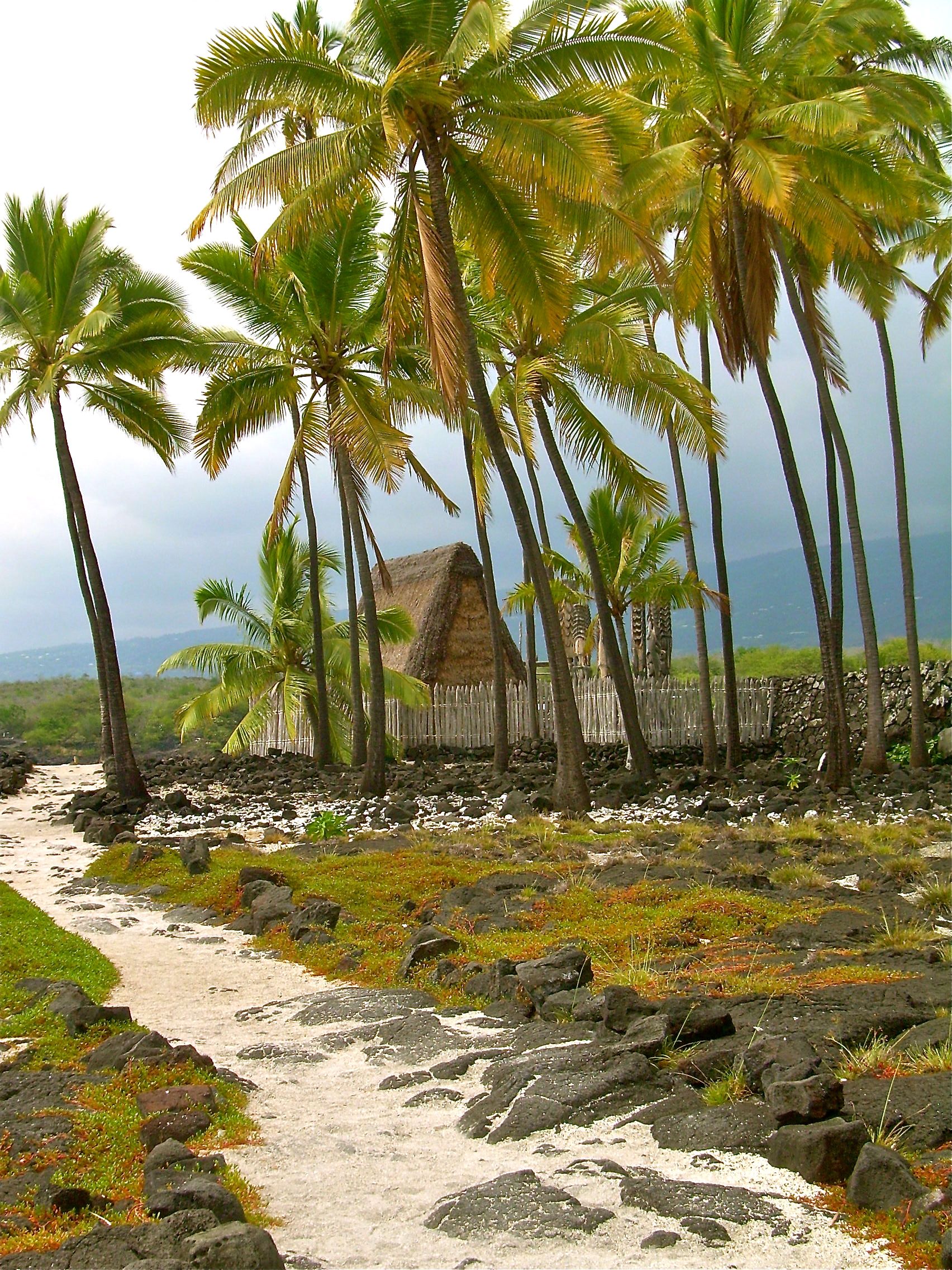
For land-based activity Pu`uhonua o Honaunau National Park is a must. Here they’ve recreated some of the buildings the native Hawai’ans lived in, performed their rituals, and practiced their customs. Known as The Place of Refuge, anyone who had broken a kapu, or Hawaiian law, could find refuge only if they succeeded in reaching the area, which was difficult to access. A sacred site where chiefs were buried, elaborate fish ponds, and ki’i wood carvings make this park a national treasure full of beauty and history.
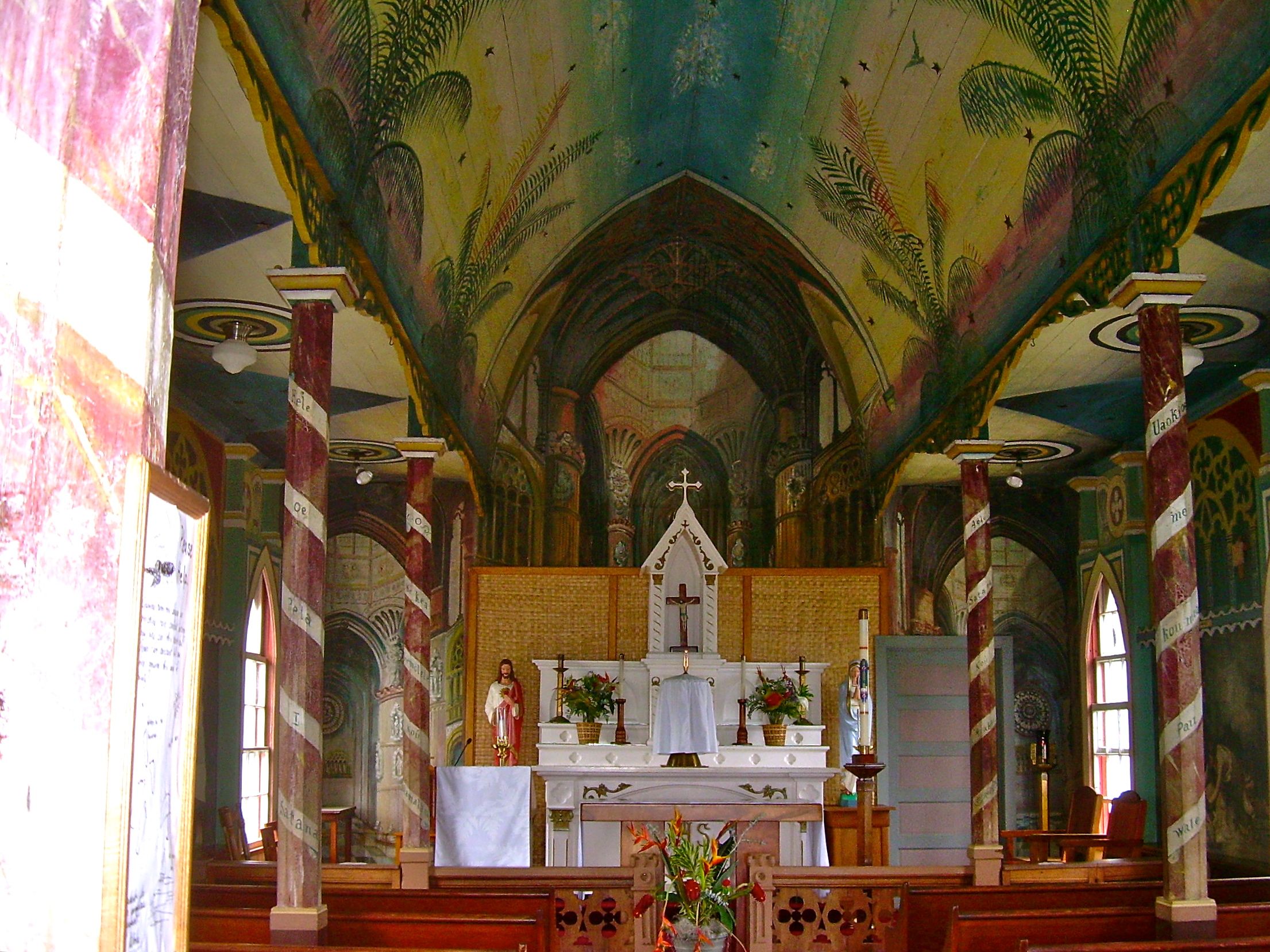
Above Kona-Kailua, on the lush slopes of the mountain is the Kona coffee belt. Here the roads wind through coffee plantations and houses that boast endless mango, papaya, and banana groves. You can see the ocean just below the hillsides, and gape at tropical fruit so bountiful, they’re often left to rot on the street. Up in the thick of jungle, we took a peek at The Painted Church erected in 1899 by Father John Veghle. Saint Benedict’s Catholic Church is filled with Father John’s original art paintings, which helped him to teach his parishioners, many of whom could not read. Most of the Kona Coffee tours are free though Kona Joe’s isn’t. We stopped at Greenwell Farms, one of the historic plantations where the first coffee trees planted are still thriving even after almost hundred years have passed since the owner started their coffee-growing business. Comparing the two places we tasted, Kona Joe’s has Greenwell beat.
On the other side of Kailua-Kona, close to the airport, is Kaloko-Honokōhau National Historical Park. The hike through this park can be brutal on a hot summer day, but the trek is worth it to reach A’opio Beach, which has calm waters and a dreamy white sand beach that begs to be enjoyed. The beach was an ancient fishing trap, and now offers utter tranquility and refreshing waters to wade and enjoy. Best bet is to get an early start to avoid the merciless afternoon sun and bring plenty of water. Then picnic at the Kaloko Fishpond, which serves as another serene setting where the state park is slowly reconstructing an ancient and massive stone wall to recreate the impressive fish traps once used here.
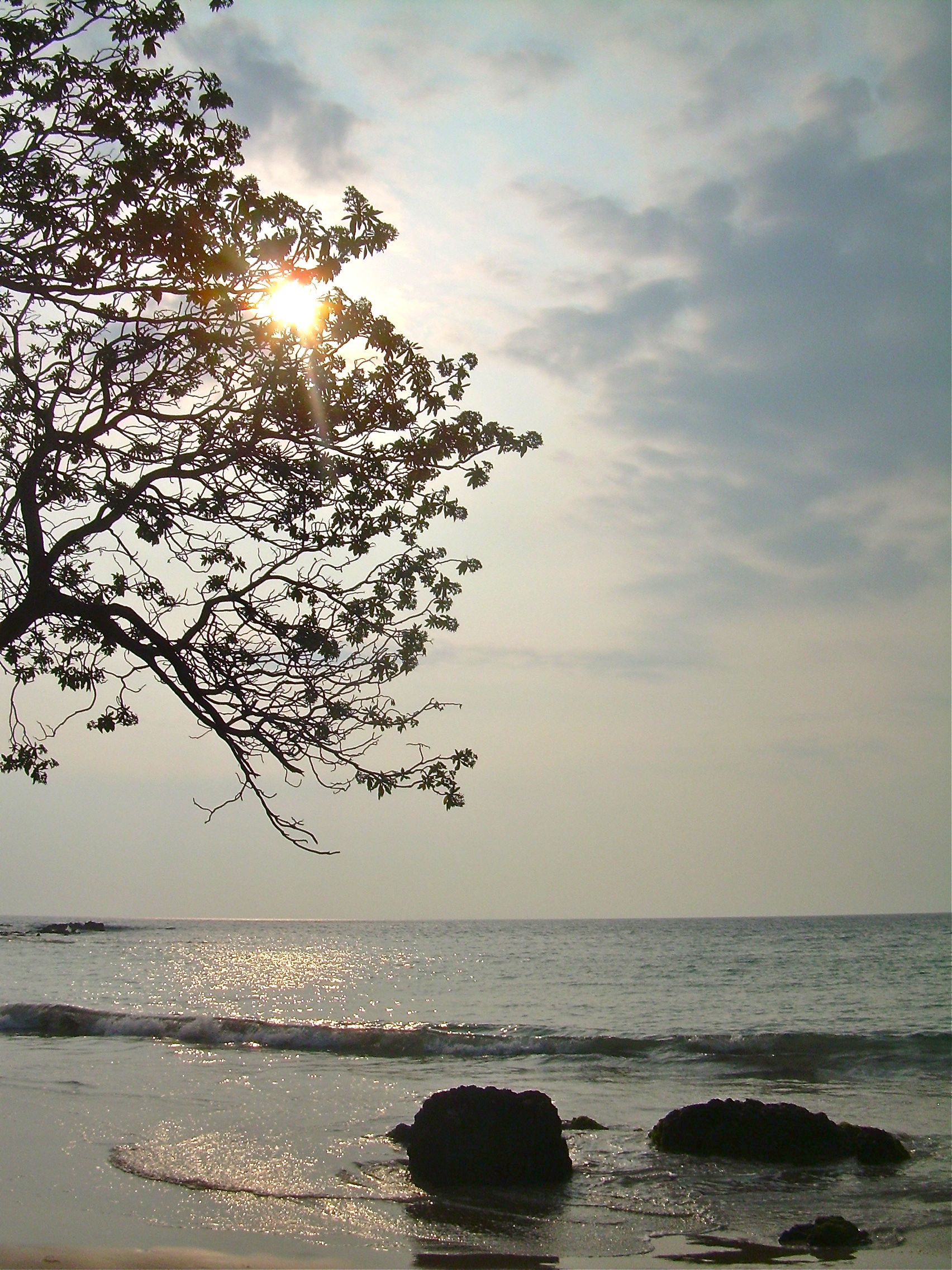
Another serene setting along the Mamaloa Highway is Mauna Kea Beach in the gated, ultra ritzy Prince Resort. All of Hawai’i’s beaches are accessible by public, but can sometimes be quite a feat to reach them. Mauna Kea is no exception. They only allow a certain number of public beach-goers to enter, and we had to collect a pass at the kiosk but, once we got to the beach, we enjoyed a full afternoon of blissful fun in the sun. No snorkeling here, the white sands of this beach and the waters are what make Hawai’i an absolute paradise. There’s a picture perfect cove at the public end of the beach complete with gorgeous trees and rocks, a most romantic spot for lovers.
Some of the good eats spots we found Kona side includes:
Manago Hotel serves traditional lunch plates in a historic setting. The hotel was built in 1917 and feels like it when you step inside. The food’s greasy spoon-style, tasty side dishes of macaroni salad, corn and shoyu green beans, but the loco moco was surprisingly dry and the buttered fish bony. You definitely get a taste of Old Hawai’i when you wander through the lobby and the recreation room. Its worth a stop.
Jackie Rey’s Ohana Grill – Come for the happy hour specials but no need to stay for dessert. Their kalua egg roll is mouthwatering, and their beer selection is a perfect way to end the day.
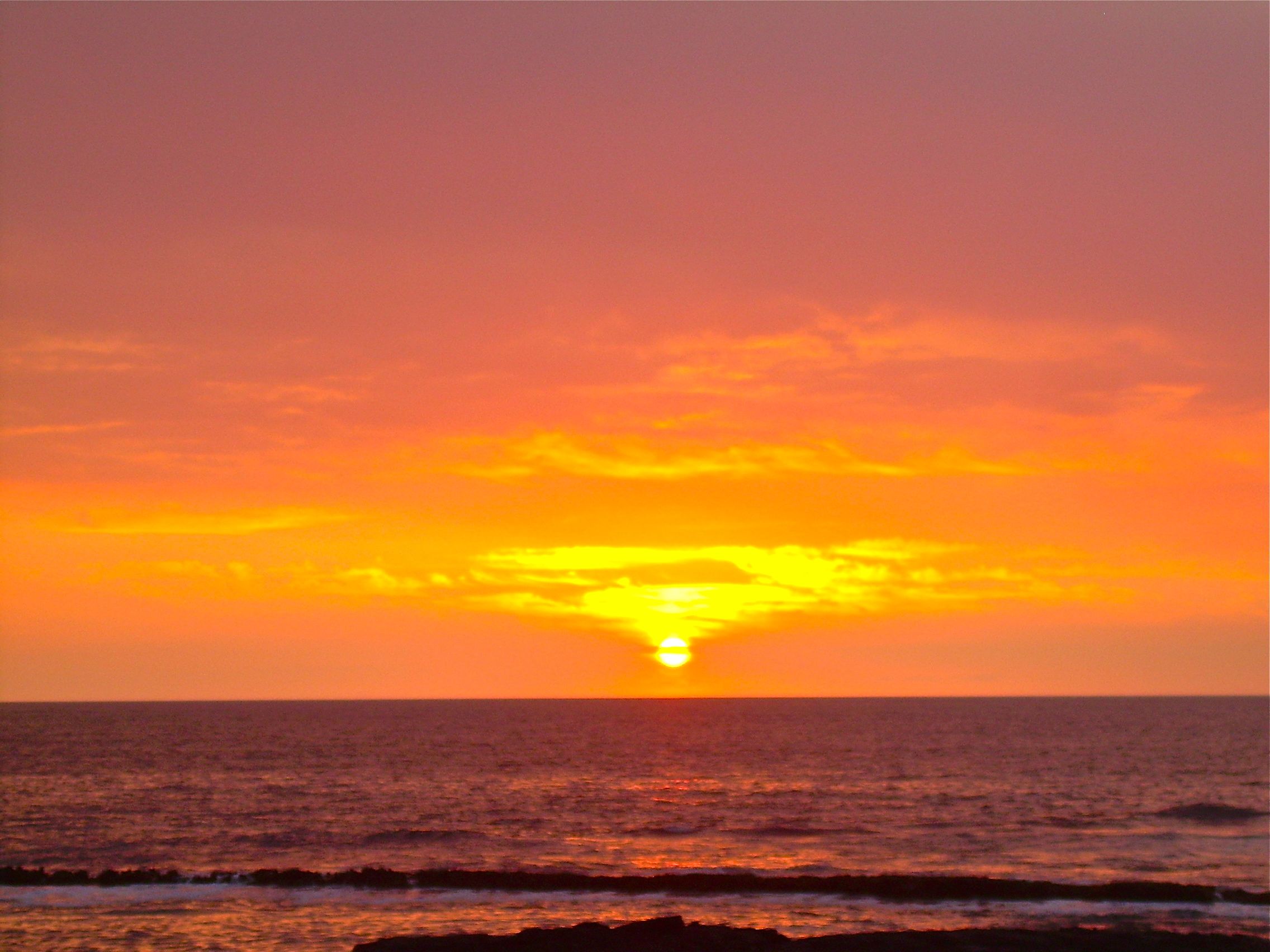
We splurged for a one-time celebration to watch the sunset at the Four Seasons’s Pahu’ia right on the beach boardwalk. The cocktail menu was displayed on iPads, and, as impressive as the listing was, the drinks didn’t quite match up. The food, however, was every bit as divine as the setting. We shared the opah, moonfish, drenched in a orange shoyu sauce and plated on top of a edamame and mushroom salad. Exquisite dining.
Getting out of Kona was an adventure. The day before we left, we learned that the King Kamehmeha Parade was scheduled for the morning of our checkout. Sounds all fine and good until you learn that the parade passes by the main road in front of the hotel, which was to be closed from 8am-12noon. Not good if you have family you want to see on the other side of da island. We had to do some scrambling, but still had minutes enough to catch the parade set up where we watched paniolos trot by.
That’s the Kona adventure. Up next is Hilo, a completely different and unexpected side of Hawai’i. Stay tuned.
Out of my wildest dreams, 2013 starts off with a three-week fellowship at the nation’s oldest arts colony, MacDowell founded in 1907 in Peterborough, New Hampshire. If yours truly wasn’t also accepted to The Retreat for Writers at Hawthornden Castle in Scotland for June this year as well, I’d be suffering from a serious case of imposter syndrome. And below is why. A shortened list of some of MacDowell’s past fellows and the projects they worked on during their stay should give plenty of reasons for doubt and legitimacy. Sally Field, I feel you.
Aaron Copland
Meredith Monk
Duncan Sheik
Nick Carbo
Amy Bloom
Lan Samantha Chang
Louise Erdrich (known to have worked on one of my all time favorite novels, Love Medicine)
James Baldwin (Giovanni’s Room)
Eric Gamalinda
Jessica Hagedorn
Garrett Hongo
Allison Landa
Rick Moody
ZZ Packer
Nzotke Shange
Lysley Tenorio
The mission of The MacDowell Colony is to nurture the arts by offering creative individuals of the highest talent an inspiring environment in which they can produce enduring works of the imagination.
The sole criterion for acceptance to The MacDowell Colony is artistic excellence. MacDowell defines excellence in a pluralistic and inclusive way, encouraging applications from artists representing the widest possible range of perspectives and demographics.
So, what will this soon-to-be-fellow do at MacDowell? A game plan would be nice though a very near and dear writer friend called just days before departure with her advice since she’s been to Hedgebrook, Vermont Studio Center, and East Anglia. She was adamant about not expecting too much: “You’re not going to get everything you want done, but you will get what you need.” Echoing the wise words of Mick Jagger, she confessed wishing someone had told her that during her residencies.
The expectations thus far have waned and waxed with anticipation, and we’ll see which if any come true, knowing that as my partner’s ukelele instructor once warned during a music lesson, a creative person is never satisfied by their creation, prepare to be perpetually dissatisfied and to feed off your dissatisfaction.
With that in mind these goals may sound abstract but here they are: to tighten voice & style or at least have a stronger sense of each. Not that the entire projekt will be tightened but a firmer grasp on voice & style, and how it changes from character to character, from start to finish, just a keener sense on what each of them are and their evolution would be wonderful. Which leads to the question about structure. Does voice and style dictate structure? Is it vice versa or do the two really have nothing to do with the other? Perhaps that question will be answered on the Eastern seaboard.
More than anything a mental map of where this projekt needs to go is the ultimate aim, and that map needs explicit directives on voice, style, structure, and tone, knowing that all of this should evolve from one chapter to the next depending on character and progression of plot.
This residency is not only a good chance for the physical, mental, and spiritual kick in the arse as all good travel is since I’ll be clear across the country in a completely new and snowy environment. There’s also the mingling with other writers, painters, musicians, architects, sculptors, and who knows what these encounters may bring, but the relationship that is utmost in mind is the intent to gain a newer, closer, almost incestuous, yes, I said it, intimacy with the projekt. Even after five years, it still feels so much of a foreign beast. Is there anyway that the projekt might feel like a part of me, an extension of self? And in getting to know this piece better, getting skin close to it, is there a possibility of taking Writing to a different level? To not just make this art a second nature but first? That may be asking too much.
Satisfaction with dissatisfaction. If that’s one guarantee, I may just be ready.
If you have advice about New Hampshire, Boston, cold weather fun, what do and what not to do at residencies, and or creative-making, I’m all ears. Happy 2013. May yours be a healthy and bright new adventure!
This summer was blessed with a trip to Hawai’i, and the first stop landed us on the Garden Isle of Kaua’i, where we stayed at the Outrigger Kiahuna Plantation in Koloa, perfectly situated and impressively equipped with a full kitchen, a peaceful lanai where we could listen to geckos chirp in the night, and a spacious living room and dining room where we watched the start of Euro 2012.
Kauai island is the oldest in the chain of paradise, which makes for a mostly gentle and lush landscape, where its difficult not to relax and enjoy a sweeter and slower pace of life:
To Do & See
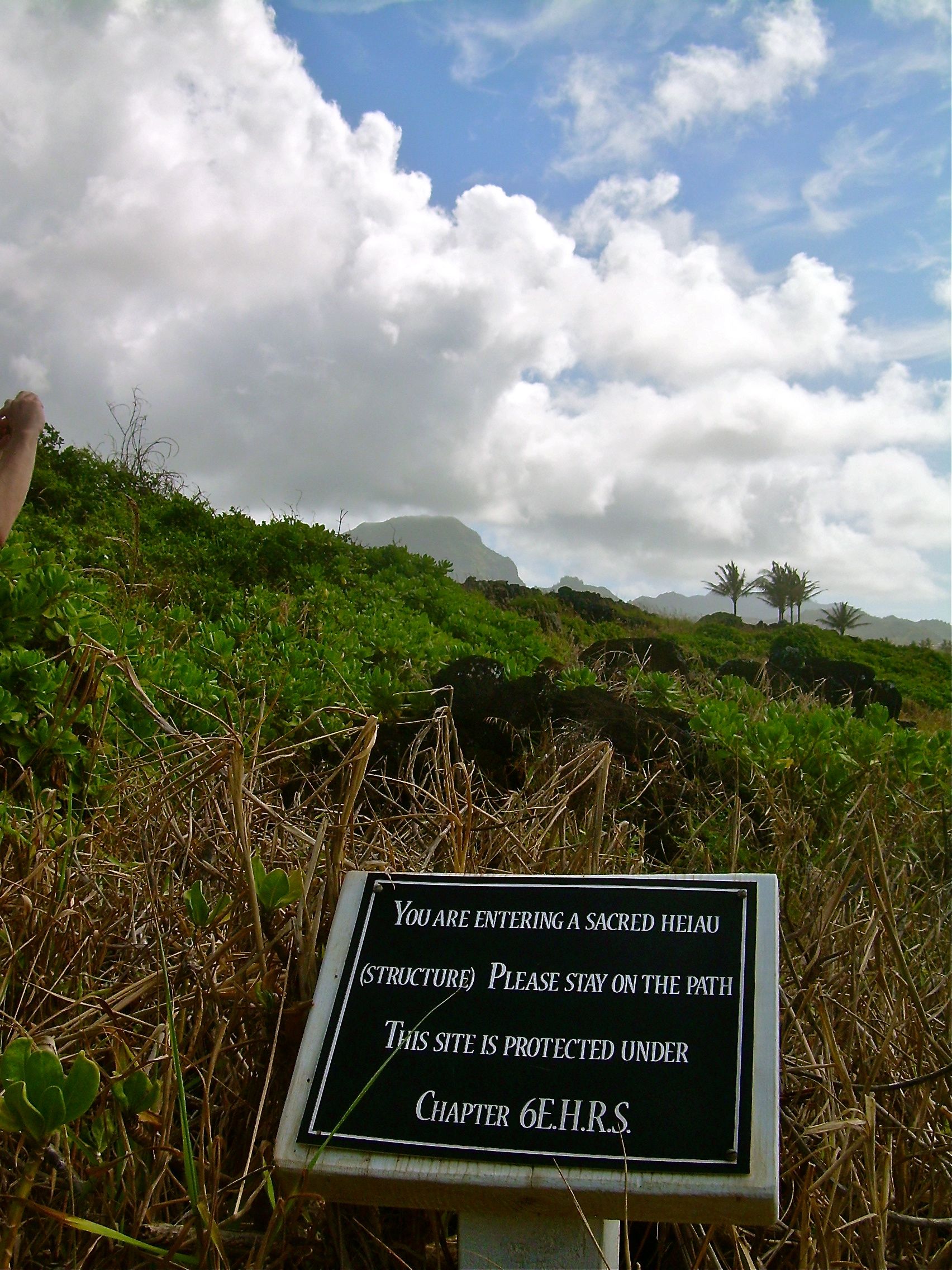
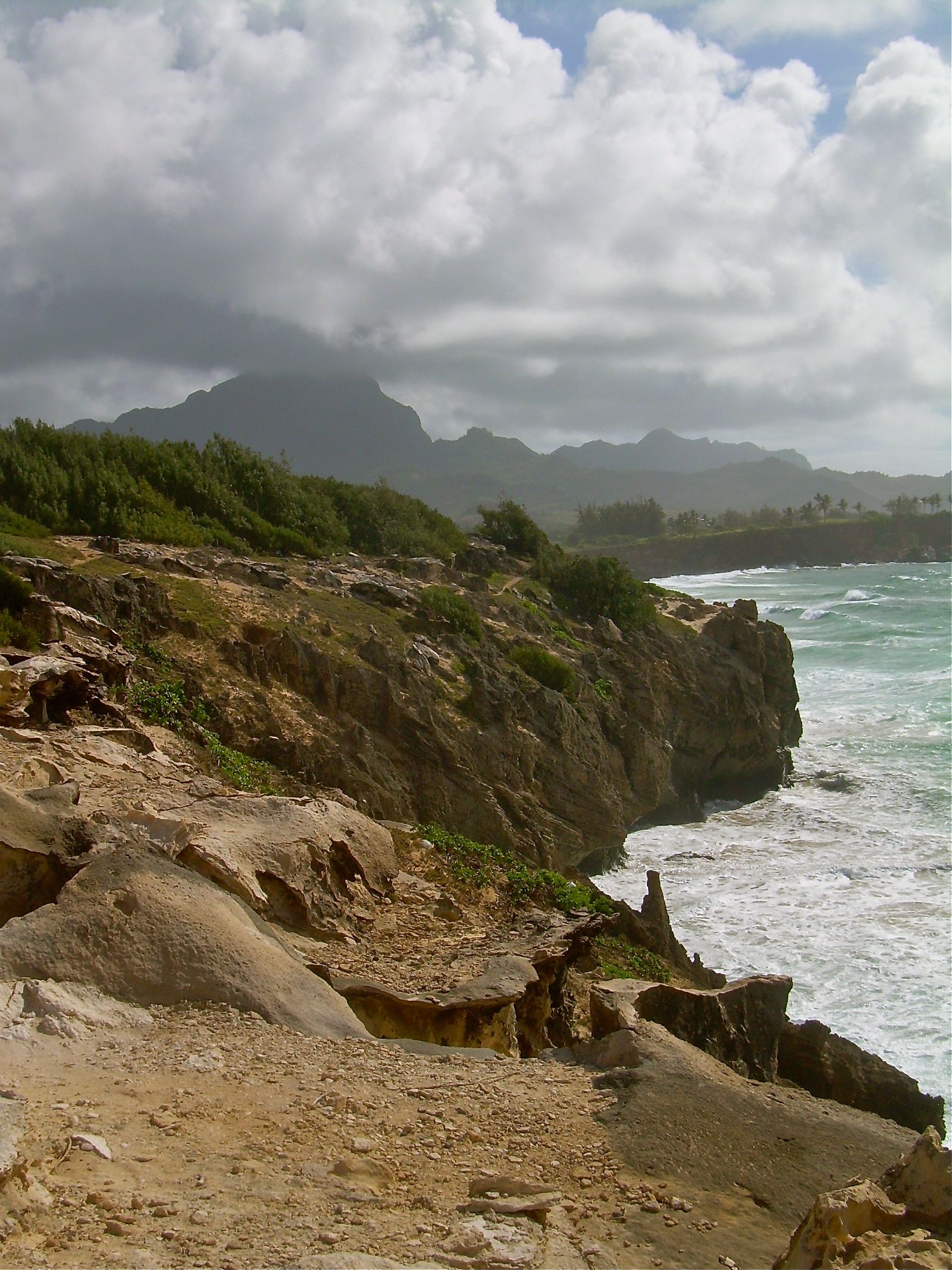
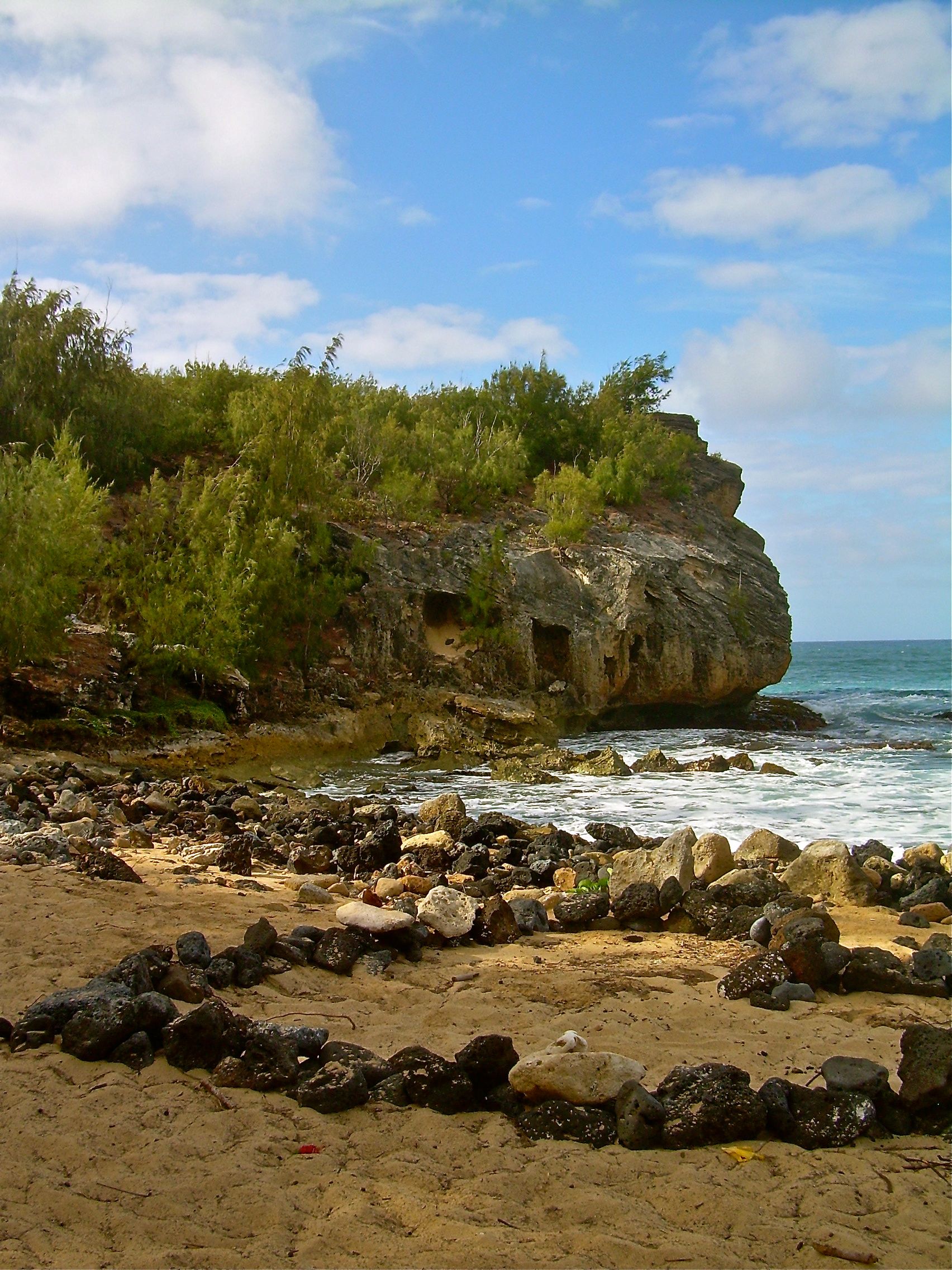
Mahaulepu Heritage Trail a shoreline trail to Mahaulepu Beach, 4 miles in and out, which starts at Shipwreck’s Beach in Keonaloa Bay and tramples along rugged coastal cliffs, where the Pacific lashes against the Paa sand dunes. Here we passed sandstone-limestone rainwater formations known as Pinnacles, paid homage at the sacred heiau Hoouluia, trekked through a golf course to end up at 10,000 year old sinkhole, where scientists are researching native Hawaiian flora and fauna before human settlement.
Outfitters Kaua’ioffers the irresistible adventure Paddle and Jungle Hike on the Wailua River. Paddlers kayak upstream to hike through jungle and swim and lunch at a beautiful waterfall. The guides are wonderfully knowledgeable about native lore and botany, and the lunches are pretty damn tasty, compared to competitors. Our guide, Mitch, gave us the inside scoop on where to pick up the best local lumpia. He wasn’t joking. See below for good eats.
Family and friends have raved about the Na Pali Coast, and its hard to imagine what they’re talking about until you actually experience this jagged face of earth, where we found religion during our first-hand experience. Na Pali Catamaran, located in the heart of Hanalei Bay, got us fitted for our day trip, and watching the sunrise while pushing out from Hanalei Bay inspired new faith. That’s just the beginning of an all day adventure!
Makau known in South Pacific at Hanalei Bay
The name of the company is a bit misleading since the vessel we took wasn’t a real catamaran but, because of this, the boat was small enough to experience some real treats. Our guides took us to three sea caves, one with a waterfall cascading through it, (waterfalls are known as wai le le, or dancing water), another with an open roof where a wedding was once performed, and the first cave, where we met a local uncle who speeds around in his RIB, shouting loud enough to hear his hoots bounce off the cave walls. Our guides told us this kinky-haired, native Hawaiian saves the lives of those who dare to swim or kayak along the sheer cliffs of Na Pali.
On the waters, we followed the hiking trail Kalaulau which is 11 miles in and out to Kalaulau Beach, a remote part of the world that requires some strenuous means of access. Lucky for us, all we had to do was board the boat, slip on our flippers and snorkel gear and hop into the water, which was colder than expected.
Allerton Gardensis a perfect way to slow down and catch one’s breath, which is just what we did, taking the short tour through the botanical wonders of The National Tropical Botanical Garden’s fourth garden on the Hawaiian islands; their fifth is in Florida.
To plug into the local scene, we sauntered through the Hanapepe Art Walkhosted in the small town of Hanapepe, taking place every Friday evening. Best shopping for genuine local gifts and souvenirs.
Hanapepe Aloha Theater
Must Eatz
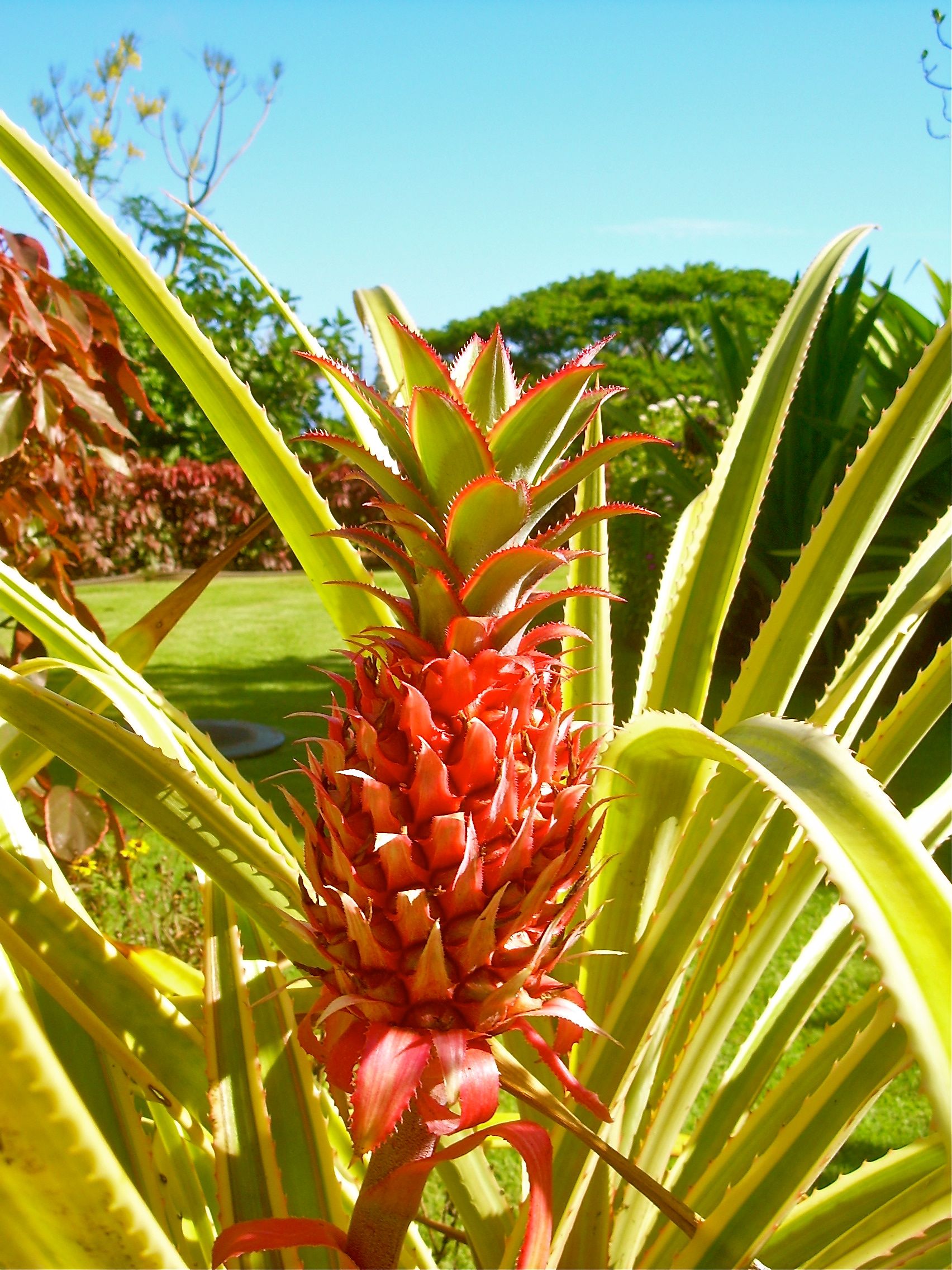
Kapa’a is the largest town on the island but still has a local feel to it, and their farmer’s market is pretty impressive. Not picking up one or two pineapples here is pretty much a crime, and, once you bite into one of these juicy beauties, you’ll be spoiled for Hawai’i’s golden fruit.
It’d be hard to find shaved ice and ice cream better than Koloa Mill Ice Cream & Coffee, and if you don’t believe me try their combo of shaved ice flavors coconut and passion fruit with mud pie ice cream on the bottom. ONO! Their haupia ice cream will have your taste buds dancing.
Along the same storefront as the Koloa Mill is Sueoka’s, a grocery store, and just to the left of them is their snack shop, a kitchen tucked away, completely inconspicuous, with a simple window for ordering. Their loco moco, fried chicken, and macaroni salad is almost as good as the Big Island’s Hawaiian Style Cafe (more on that latah)—and that’s pretty damn good. Can’t wait to go back.
Hanalima Bakery was suggested to us for malasadas (they have musubi, loco moco, breakfast and lunch along with their enticing baked goods) but Kauai Bakery and Cinnamon, in the Lihue mall, so far, has most Hawaiian bakeries beat. Best malasadas eva–we’re still on the lookout for competition across the islands.
For some homestyle Filipino food, try Mama Lucy’s lumpia, next to Hanalima’s, which will satisfy any homesick hankering for pancit and rice.
As usual, we didn’t have hours and days enough to do everything on our wishlist, so, for next time:
Hanalei Beach
Makua Beach
Ke’e Beach
Kekaha (bread pudding?)
Waimea Canyon
Koke’e lookouts
Heading toward to Kawailoa Bay on Mahaulepu TrailShipwreck’s Beach
Big Island love is next, so stay tuned.
In the meantime, here’s a dedication just for Kaua’i:
A friend and new California transplant asked about beaches in the Bay Area. Though the coastline doesn’t compare to the sunny, warm, and fog-free paradise of Southern Cali, here in the northerly reaches of the golden state, sun-worshipping on the coast is hard to come by but the views are gob-smacking gorgeous. From Morro Bay all the way up to the national border, the land literally falls off steep jagged cliffs. Cypress pines or towering redwoods cling to the last bit of earth before the Pacific comes roaring in with constant crashes and booms. Though the sea-scape is breath-taking, there’s only a certain window of time, where an admirer can gape at the horizon before the wind kicks up and chases you away.
Be warned, because of the cold clime, rough rip currents, a shelf that drops away suddenly, and the threat of great whites, make swimming a dare devil act. With that said, here’s a list of rough and ragged corners of heaven on earth:
San Francisco (these beaches are likely to be foggy and cold year round save for autumn)
Poetry Foundation’s Harriet the Blog has the honor and pleasure of hosting a regular online column with poet and professor Barbara Jane Reyes, who’s latest poets speaks truth to power, breaking silence and representation while giving a shout out to Pinay voices, including yours truly.
Do your soul a favor, and check out her words and Pinay works:
As an author, I’ve been very uncomfortable, being expected to “represent” an entire community. Some years back, as a guest speaker in Willie Perdomo‘s VONA workshop, Building the Poetry Manuscript, I was asked by one Pinay student what that felt like, being a Pinay expected to “represent.” I told her I disliked it; though I think my work can be resonant and relevant to a Filipina American experience, it’s my own take on that wildly divergent thing. Moreover, something I’ve known since I was young, something to which my parents can attest, is that I am never the Pinay that people expect Pinays to be.


















 Rashaan Alexis Meneses