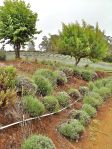
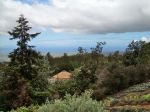
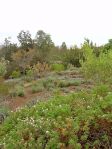
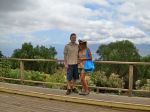
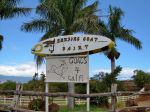
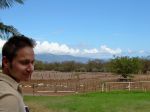
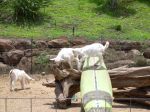
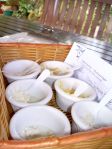
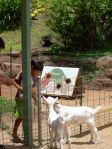
Part of the locavore movement, Ali’i Lavender Farm is the newest kid on the block joining the Tedeschi Winery and The Surfing Goat Farm. On our last day on Maui we ate our way across the island. First munching down malasadas in Makawao, gobbling goat cheese at Surfing Goat and licking our lips with everything lavender at Ali’i Farm in Kula.
We’re wrapping up our trip to Maui with a bang, including a day-trip to the south side of the island, a birthday feast at Koiso, Maui’s hole-in-the-wall for top-notch sushi, and then photos from our last day in paradise at the Surfing Goat Farm in Kula and, a Maui must, guava malasadas at Komoda Bakery in Makawao’s cowboy country. Come see and taste!
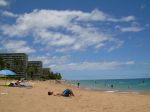
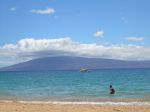
Immersed in the silky, clear blue waters of Ka’anapali, we trailed a sea turtle to Black Rock and swam with the fishes along the coral reefs. This beach is popular for many reasons made apparent in the below images. While we splashed around a fellow Ka’anapali admirer shouted to the world soon as he jumped into the waves, “Yeah, Hawaii!!! This water feels so good!” We couldn’t agree more.
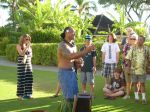
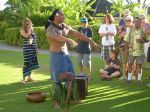
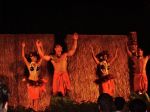
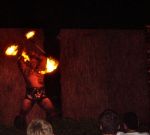
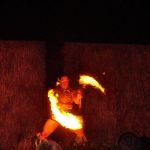
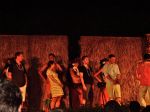
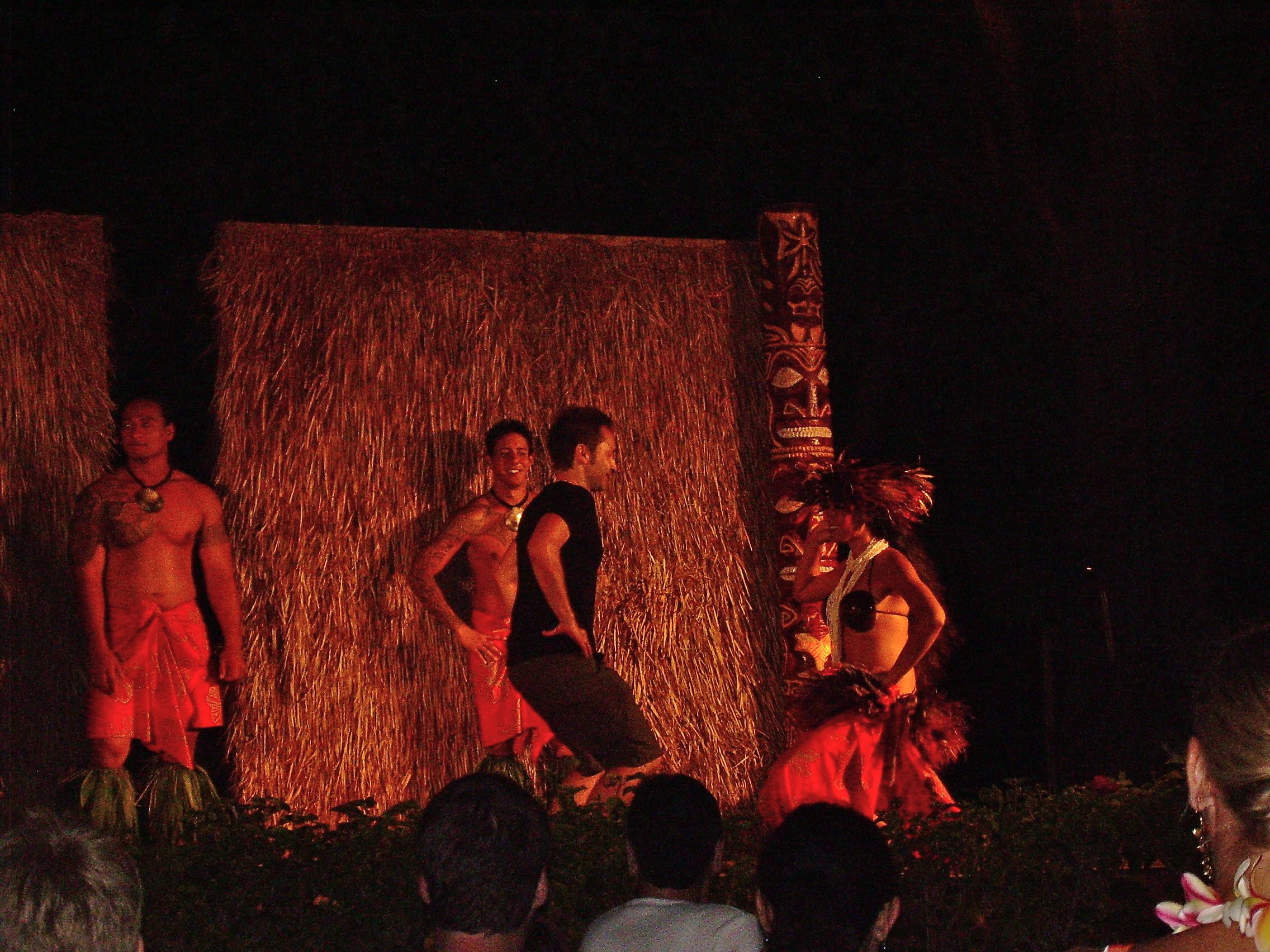
As we snorkeled without snorkels we spotted: needlefish, bluespine unicorn fish, yellowstripe goalfish, eyestripe surgeon, and rainbow runner, but the best sighting of the day, by far, was Phil Sanders taking center stage, hula dancing at the Black Rock Luau, a vision not to be missed. Take a peek for yourself!
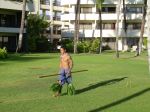
Who doesn't love hula?
The last of the Hawaii photos will be coming soon, featuring a trip to Kihue, a tour of Ali’i Lavendar Farm and Surfing Goat Farm, and a final stop at a sacred burial ground near Wailuka.
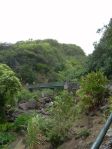
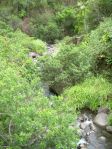
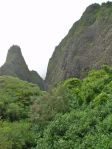
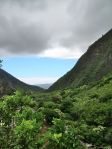
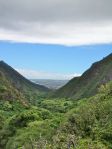
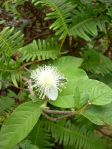
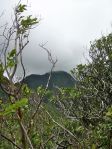
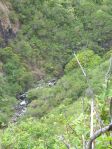
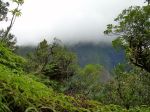
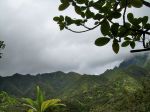
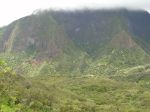
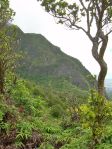
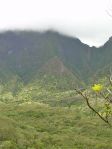
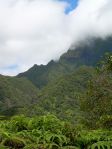
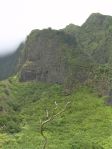
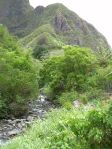
A center of culture and civilization for thousands of years, Iao Valley is now known for one of Maui’s most brutal battles. We drove out to Iao Valley to mountain goat up a 5.2 mile hike straight into Cloud Supreme. As we ascended, helicopters crisscrossed above, giving aerial tours to other Iao Valley admirers, us looking up, them looking down. This hike couldn’t be more different compared to the dry moonscape of Haleakala. Come see paradise.
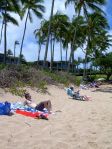
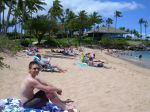
Next up, some overdue sun-worshipping on the beach and Phil hula dancing.
At five in the afternoon, you’ll find a lot of men hitch-hiking along the road to Hana. We figured they must be leaving their stands tucked in rare pockets throughout the highway. Selling shaved ice, kalua pork, or banana bread, these vendors lure adventure-seeking motorists all day long and then, soon as the clock hits quitting time, they head for home, and its difficult to get an authentic mixed plate after five since most places are closed. The only souls out and about are the mynah birds performing their Hana Highway strut as they play daredevil with the oncoming traffic. On our next trip to Maui, we hope to camp at some of the parks and then stay a couple nights at the Hana Hotel.
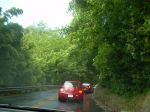
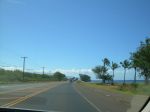
The day after Fourth of July was smoky. The evening passed with the blare of sirens startling us, and we woke to smell, hear, and read about dozens of fires that blazed through the island. Our room was heavy with the scent of burning cane, but we stuck to our schedule and headed out to Hana. Along the infamous Hana Highway, a four-hour drive full of hairpin, blind turns, and one-lane bridges, from Lahaina, we stopped for one of Maui’s famous fish tacos, made with flour tortillas, fresh mahi mahi, black beans, and cabbage. Six miles before Hana, on the twisty turn-y road, at Nahiku, we had a taste of coconut candy: “hand-sliced coconut, slow baked in cane.” Delicious. The coconut candy vendor showed us his vintage bottle collection, which included an array of glass Clorox bottles dated before World War II, shaped like our plastic bleach bottles today but in beautiful green and root beer brown colors.
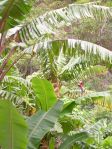
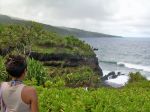
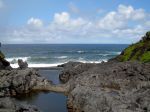
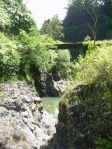
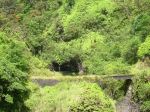
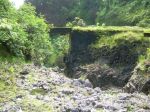
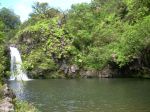
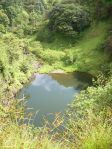
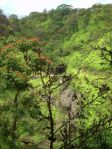
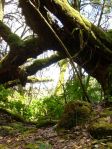
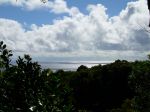
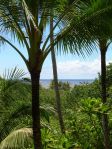
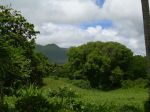
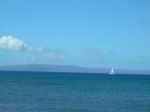
Hana thrusts you right into the thick of lush green jungles whereas the western side tends to be barren and dry. See for yourself.
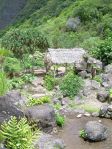
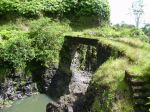
The Hawaiians are known to have buried their dead high up in the hills of Hana.
The Hana Highway Adventure continues with more pictures to come.
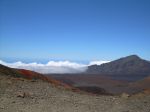
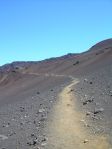
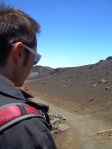
On a trek like this, the more bottles of water and snacks loaded with carbs and sugars the better off you will be. Fearful of over-exhaustion and heat stroke, I had to take a breather more often than I would like to admit. I’m not a hat person but with the sun blazing above, I really wished I had a visor, sombrero, or bonnet anythingto keep those pernicious rays off me. The red volcanic dust still clings to my shoes, a thick ash that sticks to your fingers, leaving a residue.
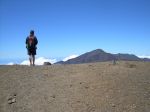
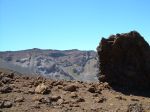
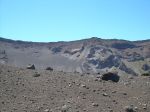
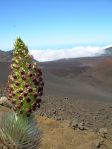
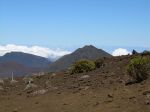
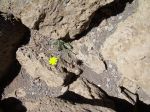
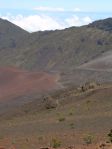
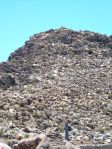
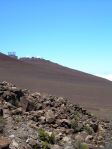
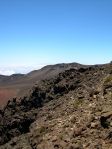
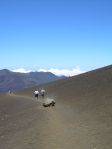
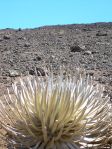
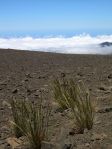
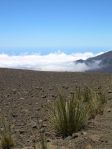
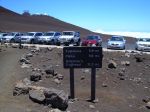
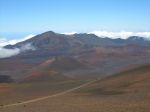
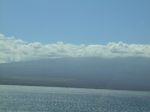
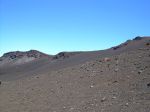
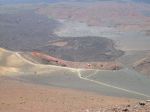
The Maui journey continued with a hike at Haleakala National Park. Haleakala means “House of the Sun,” and is a dormant volcano. The day was hot, the sky, perfectly clear, and the trek, out of this world. Click on the photos for a larger image and enjoy!
Part II of Haleakala National Park and more stories of Maui to come soon.
Blessed with a honeymoon in Maui, we first checked into our lodging at the Maui Ocean Club in Lahaina, taking in the vistas from the wraparound balcony on the top floor with views of Ka’anapali Beach. The next day we hit Kapalua Beach and took a quick afternoon hike on the Kapalua Coastal Trail then followed up with a pool stop at our accommodation back in Lahaina.
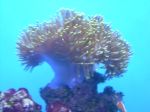
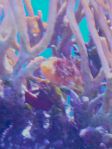
The first four pictures are actually from the California Academy of Sciences in San Francisco, visited a week before, June 23, 2010, though I wish I could say they were taken on a snorkeling-without-a-snorkel trip.
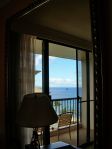
Checking in at our hotel and checking out the view from our balcony
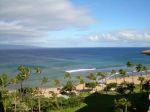
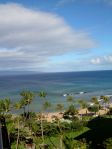
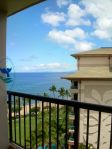
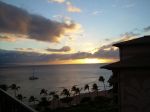
View from Wraparound Balcony, Ka’anapali Resort
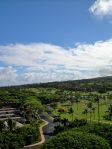
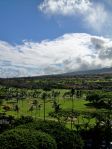
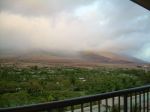
Sugarcane field vista from Room 9020
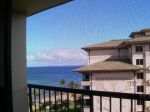
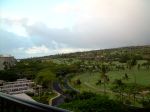
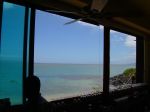
Balcony view from Room 9020 at the Maui Ocean Club
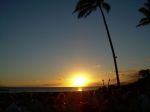
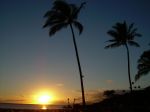
The wind takes over once the day is spent in Maui
A night time show of a fiery sun
Spacious Room 9020
Two waterclosets in Room 9020, and this is my personal loo. Ain’t too shabby.
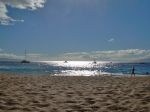
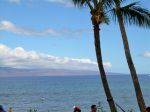
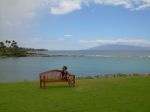
The gentle, clear waters of Ka’anapali Beach make for beautiful snorkeling
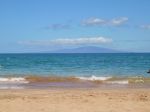
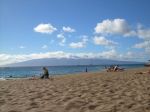
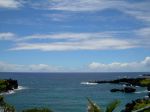
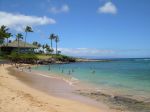
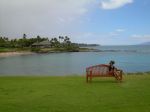
View of Ka’napali Beach after swimming in the waters
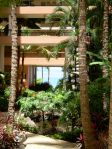
View from the Seahouse at Napili Kai
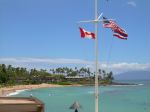
Flags tall and waving at Napili Kai though we’re not sure why Canada’s included. Anyone know?
Gingerstalk at Napili Kai
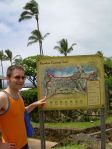
At the trailhead of Kapalua Coastal Trail
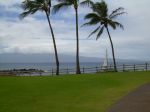
The KCT starts in some impeccably manicured grounds.
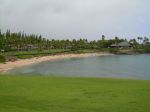
Taking in the view of Kapalua and Namalu Bay
Taking in the view of Ka’napali Bay with Molokai in the background
Where the manicured lawns end and the ragged lava begins on the Kapalua Coastal Trail
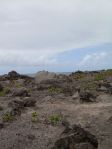
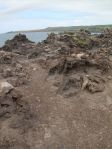
If it weren’t for the wind and water ahead, you’d think you were on another planet
Lava bed at Kapalua Coastal Trail
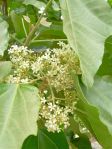
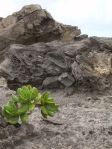
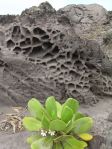
Plants bloom even in the thick of lava beds
Flora creations amid lava formations
Signs of Life among the Lava Beds of Kapalua Coastal Trail
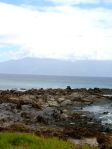
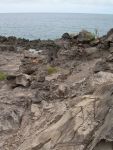
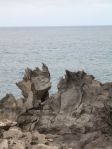
Rock and Sea on Kapalua Coastal Trail
Lava Meets Sea
The Tide Pools at Kapalua Coastal Trail
Profile of Tide Pools at Kapalua Coastal Trail
The winds start kicking up in the afternoon and they rule the beaches in Maui.
An installment of the five part series “Enlaces” exploring the Spanish, Indigenous, Arabic, and African influences in the music and dance of the Americas, on February 20 at La Pena Cultural Cultural Center in Berkeley, “Manton de Manila” showcased the beautiful embroidered silk shawls introduced across the globe by the Spanish.
Featuring:
María de la Rosa & Rudy Figueroa – Mexican Dance
Parangal Dance Company – Philippine Folk Dance
Theresa Calpotura-Classical Guitar
Asociación Cultural Kanchis – Peruvian Dance
De Rompe y Raja – Afro-Peruvian Cultural Association
Javier Trujillo – Peruvian Guitar
Virginia Iglesias – Flamenco Dance
Jorge Liceaga – Spanish Guitar
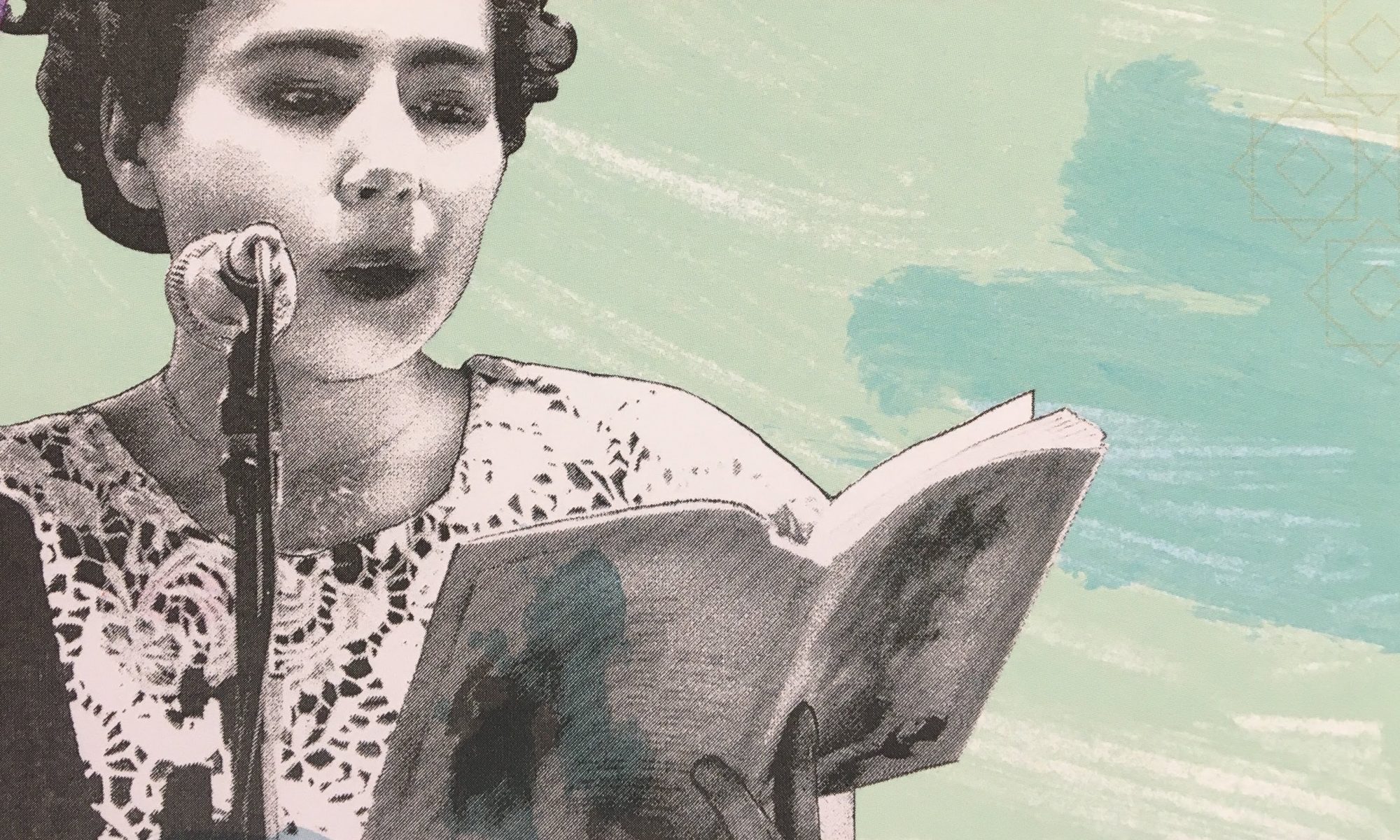
Edwin Lozada – Poetry
Paul Flores – Narrator
Exhibition of Mantones de Manila – Courtesy of Edwin Lozada (Carayan Press)
Curated by Edwin Lozada, editor of Field of Mirrors and member of PAWA Inc., Lozada owns an impressive collection of mantones de manila that span from 1820 to present time, gathered from all over the world. The show traced the history of these embroidered shawls back to Canton, China, purchased by the Spanish in Manila, which starting from 1571 through 1811 served as an integral port to the Galleon Trade. The popularity of these shawls spread to Mexico, Peru, and Spain, just to name a few countries. Weaving song and dance while chronicling the shawl’s diaspora, we start first in Veracruz, Mexico.
Unfortunately, no videos or photographs were allowed by the audience, but to get a feel for the similar threads that run throughout these cultures across the globe, here are some samplings from other sources. The first performance was Mexico’s National Dance, the Jarabe Tapatio:
After the dance, the dancers told the story of La China Poblana who was neither from China or Puebla but may have been a Mughal Princess named Mirrha taken captive by the Spaniards and brought to Puebla where she was bought by a wealthy Dona and Don and christened Catarina de San Juan. She’d fashion the most beautiful embroidered skirts that glittered and shimmered, and wear them when she went to the market. The ladies of Puebla soon adopted her style, and the skirt spread across Mexico. For more on Mirrha’s history check out Stitches in Time.
The evening’s performance then transported us to the port that made the embroidered shawl so famous. From Manila, “El Paseo”:
We also learned of Saint Martin de Porres (1579-1639) the Black Saint or La Santa Negra, the first saint of the Americas. Born illegitimately from a Spanish nobleman and a young, former black slave, he grew up poor but learned the medical arts at the age of ten and was already devoted to taking care of the sick. Porres later joined the Dominican Order and led a life committed to charity.
In honor of the Saint of Peru, two dancers performed La Marinera:
The dancing ended with a rousing and riveting flamenco from Andalusia Spain:
And the rest of night belonged to the mantones themselves. Spanning from 1820 to 1940 (?), the later the shawl was made the more elaborate the embroidery and the longer the fringe, each one more beautiful than the next. From striking reds, gorgeous greens, vibrant blues and purple, the mantones de manila are marvelous creations made more unique and more lovely by the many different cultures that have stylized this shawl and called it their own. This show made me wonderfully proud to be a Chicapina.
For more information check out “Truth about the manton de Manila” by Bea Zobel Jr. on TravelSmart.net and watch for Lozada’s much anticipated book on the history and influence of the manton de manila.
___
Enlaces (Connections That Bind Us) El Mantón de Manila presented by La Peña Cultural Center in collaboration with Gabriela Shiroma (CulturARTE), Carayan Press, PAWA, Inc., Community Music Center-San Francisco

















































































































































































































































 Rashaan Alexis Meneses
